
Last Updated on May 2, 2026
Your bedroom is the one room in your home that exists entirely for you. It is where you start and end every day, where you decompress after hard weeks and lazy Sundays, and where your personal style gets to live without any filters. That makes it worth getting right, even if your budget is limited and your square footage is not. While you are redesigning, also consider EMF protection tips for a safer and better sleep environment.
Making a bedroom aesthetically pleasing does not require a designer or a major renovation. What it requires is intention. A few thoughtful choices in the right places can completely change how a room feels, from ceiling to floor, from the first glance in the doorway to the last thing you see before you fall asleep.
Here is a practical guide to the ideas that actually work, without the overwhelm.
Use Mirrors to Expand the Space
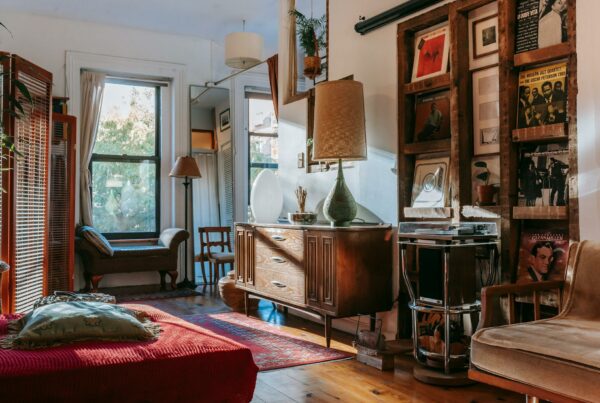
Mirrors are one of the most underused tools in bedroom design. When placed well, they do two things at once: they make a room feel larger and they bounce light around in a way that makes everything look more intentional.
The most effective placement is opposite or adjacent to a window. Natural light hits the mirror and reflects back across the room, brightening even north-facing bedrooms that do not get much direct sun. A full-length mirror leaning against a wall works just as well as a mounted one and has the bonus of being easy to move when you rearrange.
For something more decorative, a cluster of smaller mirrors in different shapes and frames creates a wall feature with real personality. If you want to hang a large mirror but are not sure how to do it safely, this guide on how to hang a mirror correctly covers the basics so it stays put.
Build a Gallery Wall That Feels Like You
Blank walls are a missed opportunity, and a gallery wall is one of the most personal ways to fill them. Unlike a single large print that has to carry all the visual weight on its own, a gallery wall is forgiving. It grows, it evolves, and it tells a story about the person who lives there.
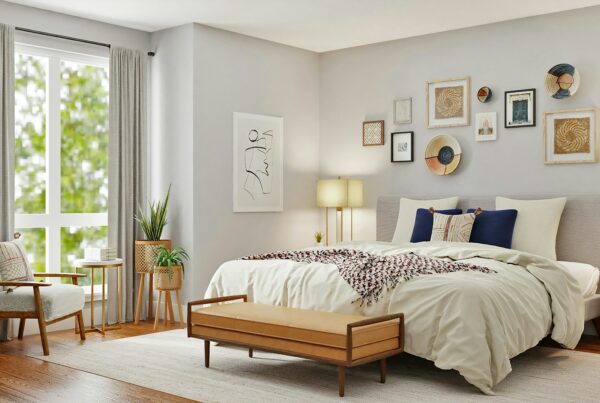
Start with a loose theme, whether that is color, mood, or subject matter, and mix formats freely. Framed prints, photographs, small canvases, and even flat objects like pressed botanicals or vintage mirrors all work together when there is a consistent element holding them together. Artists like Meghann Riepenhoff create work that translates beautifully to residential spaces, with a scale and color range that fits a bedroom gallery without feeling too loud.
Before you hammer a single nail, lay everything out on the floor and photograph it from above. That photo becomes your installation guide. For a full walkthrough of planning and hanging a gallery arrangement, our guide to how to create a gallery wall covers everything from spacing to frame selection.
Bring Plants Into the Room
Few things make a bedroom feel more alive than actual living things. Plants add color, texture, and a sense of calm that no printed pattern can quite replicate. They also have a practical benefit: many common houseplants help filter air and promote better sleep, which makes them an especially good fit for a bedroom specifically.
The size and placement depends entirely on your space. A large floor plant in a corner, something like a fiddle leaf fig or a bird of paradise, instantly anchors a room and gives it a vertical element that most bedrooms lack. On a smaller scale, a potted plant on a nightstand or a trailing pothos on a shelf adds softness without taking up square footage.
If you are new to keeping plants indoors, start with low-maintenance varieties that tolerate low light and irregular watering. The goal is a living bedroom, not a complicated hobby.
Stop Ignoring the Ceiling
The ceiling is the fifth wall, and most people treat it like an afterthought. That is a missed opportunity, especially in bedrooms where you spend time lying flat looking directly at it.
Paint is the easiest change you can make. A ceiling painted a shade or two darker than the walls creates coziness and a sense of enclosure that can make a large room feel more intimate. Going lighter than the walls does the opposite, opening the space up visually.
Beyond paint, a simple canopy above the bed, draped fabric panels from a ceiling hook or curtain rod mounted overhead, creates a sense of architecture and warmth that transforms an ordinary bedroom into something that feels truly considered. Crown molding, even the basic pre-primed variety from a hardware store, adds the kind of finished detail that photographs well and reads as intentional from the doorway.
Layer Your Textiles Thoughtfully
Bedding is the visual centerpiece of a bedroom, which means it carries more design weight than anything else in the room. Layering textiles well is less about matching everything perfectly and more about building depth and texture across a cohesive palette.
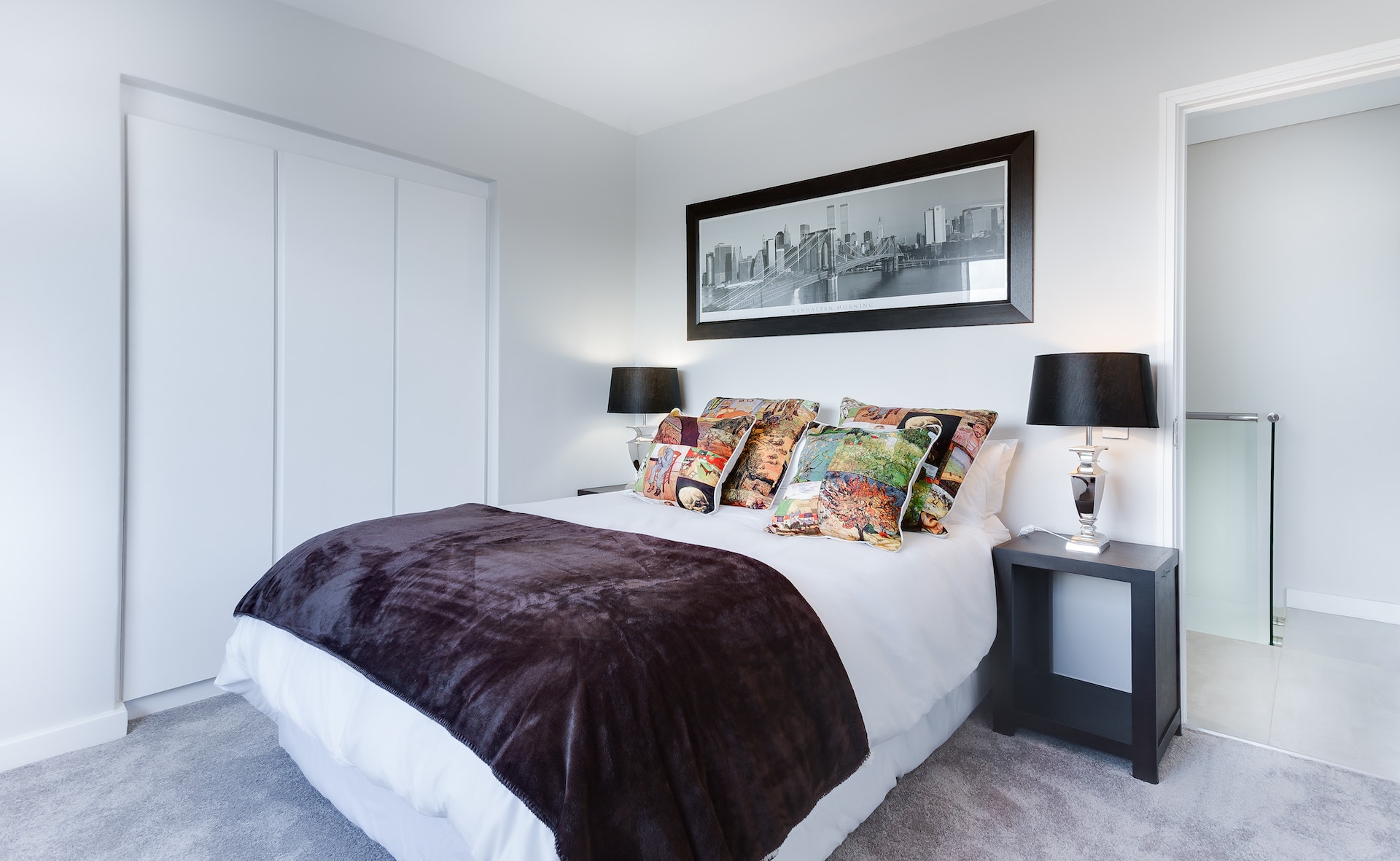
Start with a fitted sheet and a duvet or quilt in a neutral or anchor color. If you are also in the market for a new bed, our guide to the best types of mattresses breaks down which options work best for different sleep styles and budgets. Add a throw blanket folded at the foot of the bed in a complementary texture, linen, knit, or velvet depending on the season. Layer in two or three decorative pillows that connect back to your color scheme without trying to match it exactly.
The goal is a bed that looks like someone with good taste made it casually, not a showroom display that nobody would actually sleep in. A little asymmetry in the pillow arrangement and a slightly imperfect throw fold read as lived-in and warm rather than stiff. For more ideas on how style and comfort work together in a bedroom, our guide to cottage-style bedroom decor elements covers exactly that kind of approachable, layered aesthetic.
Get the Lighting Right
Overhead lighting is almost never the right lighting for a bedroom. The flat, even illumination it creates is useful in a kitchen or office but works against the cozy, restful atmosphere that a bedroom needs.
Layer your lighting instead. A table lamp on each nightstand with a warm bulb creates soft, directional light for reading without lighting up the whole room. A floor lamp in the corner adds ambient light without the harshness of an overhead fixture. If you do have overhead lighting, add a dimmer switch so you can adjust the intensity based on the time of day and what you need.
Warm white bulbs, in the 2700 to 3000 Kelvin range, make every surface in a bedroom look better than cool or daylight bulbs. It is a small detail that makes a large difference in how a finished room actually feels to be in.
Bring It All Together
An aesthetically appealing bedroom is not built in one afternoon, and it does not require spending a lot of money. It is built through a series of intentional choices that each improve on the one before, a better lamp here, a gallery wall there, plants in a corner that was previously empty. Over time, those choices add up to a room that genuinely feels like yours.
Start with whatever feels most wrong about your bedroom right now and fix that first. Everything else builds from there.
If you have bedroom design ideas or renovation experience you would like to share with other homeowners, our bedroom write for us page is always open to new contributors.