
Last Updated on May 28, 2026
A patio is one of those home features that tends to be significantly underestimated in its potential. For most homeowners, it begins as a simple concrete slab or basic paver area, functional in a minimal sense but rarely the beautiful, comfortable extension of indoor living that it could become. Elevating your patio from utilitarian to genuinely extraordinary requires the same thoughtfulness and attention to detail you would bring to designing any important interior room, and the rewards are proportional to the effort invested.
Creating an outdoor space worth actually using, one that becomes the natural destination for morning coffee, weekend gatherings, and quiet evenings as the light fades, involves decisions about surface materials, furniture, shade and shelter, lighting, and planting that work together to produce something genuinely special. Here is how to approach that transformation thoughtfully.
Assess What You Are Working With
Before making any purchases or committing to any design direction, spend time observing your existing patio at different times of day and in different weather conditions. This assessment reveals information that no amount of planning from inside the house can provide.
Note where the sun falls at morning, midday, and late afternoon. Understanding the solar pattern determines where shade structures are most needed and whether existing trees or structures provide natural shade during the hours you are most likely to use the space. A patio that bakes in direct western sun during late afternoon is uncomfortable without shade intervention during the summer months when you most want to be outside.
Observe how rain and water move across and away from the patio surface. Pooling water indicates drainage deficiencies that should be addressed before any surface improvements are made. Standing water not only makes the patio unusable immediately after rain but can also cause damage to furniture, erosion at the patio edges, and over time, damage to adjacent structures if water is directed toward the home’s foundation.
Note what the view is from the primary seating positions. If the view includes an unattractive fence, a utility area, or other elements you would prefer not to look at, consider how plants, screens, or landscape features might address those sight lines. If there are genuinely attractive views, make sure your furniture arrangement takes advantage of them.
Surface Upgrades: Building on a Better Foundation
The surface beneath your feet is the foundation of every other design decision. An existing concrete slab in good structural condition has more design potential than most homeowners realize. Rather than replacing it entirely, which involves significant cost and disruption, consider the range of overlay options that transform plain concrete into something far more attractive.
Concrete overlays and microtoppings can be applied over existing slabs to create surfaces that mimic natural stone, exposed aggregate, or polished concrete at a fraction of replacement cost. A stamped overlay impresses pattern and texture into a coating applied over the existing slab, creating the look of flagstone, slate, or pavers without the structural work of actually installing those materials. This approach is particularly cost-effective when the underlying slab is in good condition but simply looks dated or tired.
If you are starting from scratch or replacing a damaged surface, natural stone remains the gold standard for outdoor beauty and longevity. Bluestone, flagstone, and travertine are particularly popular in patios because of their natural variation, durability, and the way their color and texture age gracefully over time. Stone develops a patina that only improves with age, a quality that manufactured materials cannot replicate regardless of how convincingly they mimic stone’s appearance at installation.
Porcelain pavers are a newer option that has gained significant traction for their combination of exceptional durability, low maintenance requirements, and the ability to very convincingly replicate the look of natural stone, wood, or concrete at a competitive price point. Unlike natural stone, porcelain requires no sealing, resists staining aggressively, and is largely impervious to freeze-thaw damage. For patios in climates with harsh winters, porcelain’s durability advantages are particularly compelling.
Creating a Meaningful Layout
The layout of your patio, how space is divided between different use zones and how traffic flows through the area, determines how well the space actually functions for the way you live. A patio that lacks clear organization, where furniture is positioned without clear relationship to use or traffic patterns, feels cluttered and awkward regardless of how attractive its individual elements may be.
Identify your primary use zones and assign space to each deliberately. If you want both a dining area and a lounge area, plan for both with adequate space for each to function independently. A dining group for six needs approximately 12 by 12 feet of clear space to allow comfortable movement around the table and chairs. A seating group of sofa and two chairs needs approximately 10 by 12 feet plus the clearance of a coffee table in the center.
Define zones through changes in surface material, the placement of rugs, or the positioning of plants and planters. In a larger patio, a change from one paving material to another can clearly delineate the dining area from the lounge area while maintaining visual cohesion through a complementary material palette. In a smaller patio, a well-placed outdoor rug under the seating group does the same work more economically.
Consider traffic flow carefully. The path from your home’s entry to the most frequently used patio zones should be clear and intuitive. Furniture arrangements that require squeezing past or navigating around create friction that makes the patio feel less inviting than a layout that allows people to move naturally through the space.
Shade, Shelter, and Weather Protection
Shade infrastructure is the element most commonly skipped in initial patio design and most frequently added as an afterthought once homeowners realize that the unshaded space is unusable during the hours they most want to use it. Planning for shade from the beginning, and integrating it into the overall design rather than retrofitting it later, produces far better results aesthetically and practically.
A pergola is among the most beautiful and versatile shade structures available because it provides filtered light and partial sun protection while maintaining visual openness and serving as a vertical design element that gives the patio a sense of architectural definition. Pergolas can be built from cedar, aluminum, or vinyl, with each material having distinct aesthetic and maintenance implications. Cedar offers natural beauty and warmth but requires periodic staining or sealing. Aluminum and vinyl require essentially no maintenance and are available in a wide range of styles that closely approximate the look of wood.
Shade sails offer a more contemporary, sculptural approach to sun protection. Triangular or square tensioned fabric sails stretched between attachment points create dramatic geometric forms overhead that filter UV radiation effectively while maintaining a sense of visual lightness that a solid roof structure does not provide. They work particularly well over seating areas in modern or Mediterranean-inspired outdoor settings.
Retractable awnings give you maximum flexibility, allowing full sun exposure when you want it and effective shade when you need it. Motorized retractable awnings with wind sensors that automatically retract in strong winds combine convenience with weather awareness in a way that makes outdoor living genuinely effortless.
Furniture Selection and Arrangement
Outdoor furniture has evolved enormously in terms of both design sophistication and material durability. The options available today allow homeowners to create outdoor living rooms that feel genuinely comparable to well-appointed interior spaces in terms of comfort and visual quality. Choosing well requires understanding both what materials perform best in your climate and what scale and proportion work for your specific patio dimensions.
Powder-coated aluminum frames are the practical choice for most climates because they resist rust completely, are lightweight enough to rearrange easily, and are available in essentially any style from traditional to contemporary. The longevity of quality aluminum outdoor furniture justifies a higher initial investment than cheaper alternatives that deteriorate quickly.
Teak furniture carries a premium that is fully justified for homeowners who want the most beautiful and long-lasting wood option available. Teak’s natural oil content makes it exceptionally resistant to moisture, rot, and insects without treatment. It weathers to a beautiful silver-gray when left untreated or maintains its warm golden color with periodic oiling. Teak furniture routinely outlasts the homeowners who purchase it, making its cost per year of use quite reasonable.
Scale is critical in outdoor furniture selection. Furniture that is too small for the patio looks lost and fails to anchor the space visually. Furniture that is too large crowds the patio and makes movement awkward. Measure your patio accurately before shopping and bring those measurements with you, along with the planned layout showing where dining and seating zones will be positioned.
Cushion quality determines how comfortable and durable your outdoor furniture actually is. Sunbrella fabric, made from solution-dyed acrylic fibers, is the industry standard for outdoor cushion covers because of its outstanding resistance to fading, mold, mildew, and moisture. Cushions with quick-dry foam cores recover shape rapidly after rain and resist mold development that can plague lower-quality cushion constructions.
Outdoor Lighting for Evening Use
A patio without adequate lighting is a patio that stops being usable when the sun goes down. Given that summer evenings are among the most pleasant times to be outdoors, investing in outdoor lighting is one of the most direct ways to multiply the amount of time you actually use your outdoor space.
Layered outdoor lighting follows the same principles as interior lighting design. Ambient lighting provides general illumination that allows safe movement through the space and comfortable use of all areas. String lights, which have become almost synonymous with outdoor ambiance, provide warm, festive ambient light at minimal cost and with maximum atmospheric effect. Draped between pergola beams, strung along fence tops, or stretched between poles, string lights create a celebratory quality that no other light source quite matches.
Task lighting addresses specific functional needs: enough light over the dining table to see what you are eating, adequate light at the grill area for safe cooking, clear illumination at steps and grade changes for safety. Solar step lights and path lights handle the safety function while adding attractive visual interest at ground level.
Accent lighting adds depth and drama by highlighting plants, trees, architectural features, or the texture of the patio surface itself. Up-lighting a specimen tree from below creates a beautiful focal point visible both from inside the house through windows and from the patio itself. Low-voltage landscape spotlights installed at the base of interesting plants or structures are relatively simple to install and transform the nighttime impression of the garden dramatically.
Plants and Living Elements
Plants transform a hardscape patio from a surface into a garden room. The right combination of container plantings, integrated planting beds, and vertical green elements creates the feeling of being surrounded by nature while maintaining the defined space and comfortable surfaces of an outdoor room.
Large container planters at patio corners and along edges define the space while allowing for dramatic planting displays that can be changed seasonally. Ornamental grasses, tropical plants, standard roses, and small ornamental trees all work beautifully in large containers, creating immediate vertical structure and visual interest. Use containers in pairs or trios for a more intentional, designed appearance rather than scattering mismatched pots without visual logic.
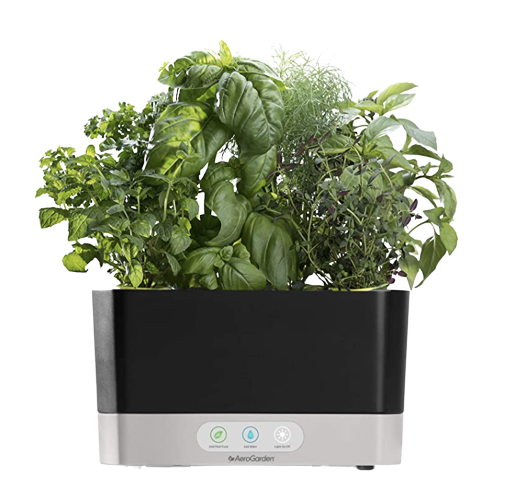
Fragrant plants near seating areas reward the senses in a way that purely visual plants cannot. Lavender, jasmine, gardenia, and night-blooming flowers like moonflower and nicotiana create olfactory experiences that make sitting in the garden deeply pleasant. Herbs like rosemary, basil, and mint near outdoor dining areas also provide culinary convenience alongside their sensory contribution.
A large outdoor planter set in a complementary material to your patio surface gives you the flexibility to create substantial container displays that anchor the space visually. Fiberclay and metal planters handle outdoor conditions better than terracotta in freeze-prone climates, while maintaining the substantial visual presence that large plants require for proper display.
Privacy and Enclosure
Privacy is a comfort consideration that has significant impact on how much you actually use your patio. An exposed patio where you feel visible to neighbors on multiple sides creates a subtle but real sense of self-consciousness that discourages relaxed outdoor use, particularly in the evenings and during personal activities like morning coffee in pajamas.
Planted privacy screens using fast-growing evergreens, bamboo in containers to control spreading, or dense ornamental shrubs create living walls that provide privacy while contributing to the garden’s beauty. Arborvitae, holly, and dense ornamental grasses can create significant screening within two to three growing seasons.
Lattice panels, trellis sections, and decorative fence screens provide immediate privacy while also serving as supports for climbing plants that will eventually amplify their effectiveness. A combination of structural screen panels and climbing plants creates the most attractive long-term privacy solution because the living element softens and enriches the structural one over time.
The Finishing Details
An outdoor rug anchors the seating area visually and adds the warmth and coziness of an indoor room to the outdoor setting. Quality outdoor rugs in synthetic fibers resist fading, moisture, and mildew and provide years of service even in challenging weather conditions. Choosing a rug with pattern adds visual interest and makes the outdoor room feel designed and deliberate.
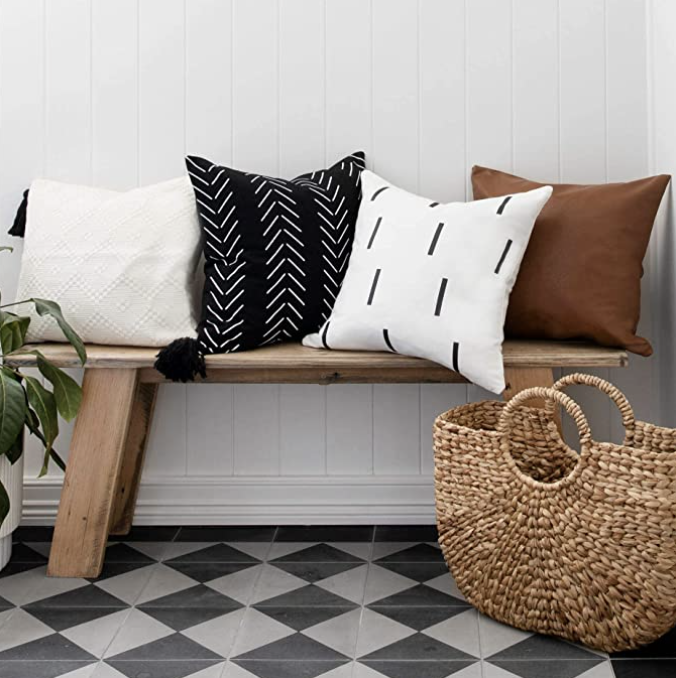
Outdoor throw pillows, blankets, and accessories styled on outdoor furniture bring the sense of interior curation to the outdoor room. These details signal that the space has been thought about carefully, not just equipped minimally. They also make the furniture substantially more comfortable and inviting, which directly translates to more time spent enjoying the space.
An elevated patio is not the product of any single expensive element. It is the sum of many thoughtful decisions made with care and a clear vision of how you want to live outdoors. When each choice serves the whole, the result is a space that functions beautifully, looks genuinely lovely, and becomes one of the most-used rooms in your entire home.