
Last Updated on August 25, 2023
Have you ever wondered what lies behind the textured surface of the brick walls you pass by every day? These humble blocks, often unnoticed, are undergoing a transformation – caught in the crossfire of tradition and technological advancement.
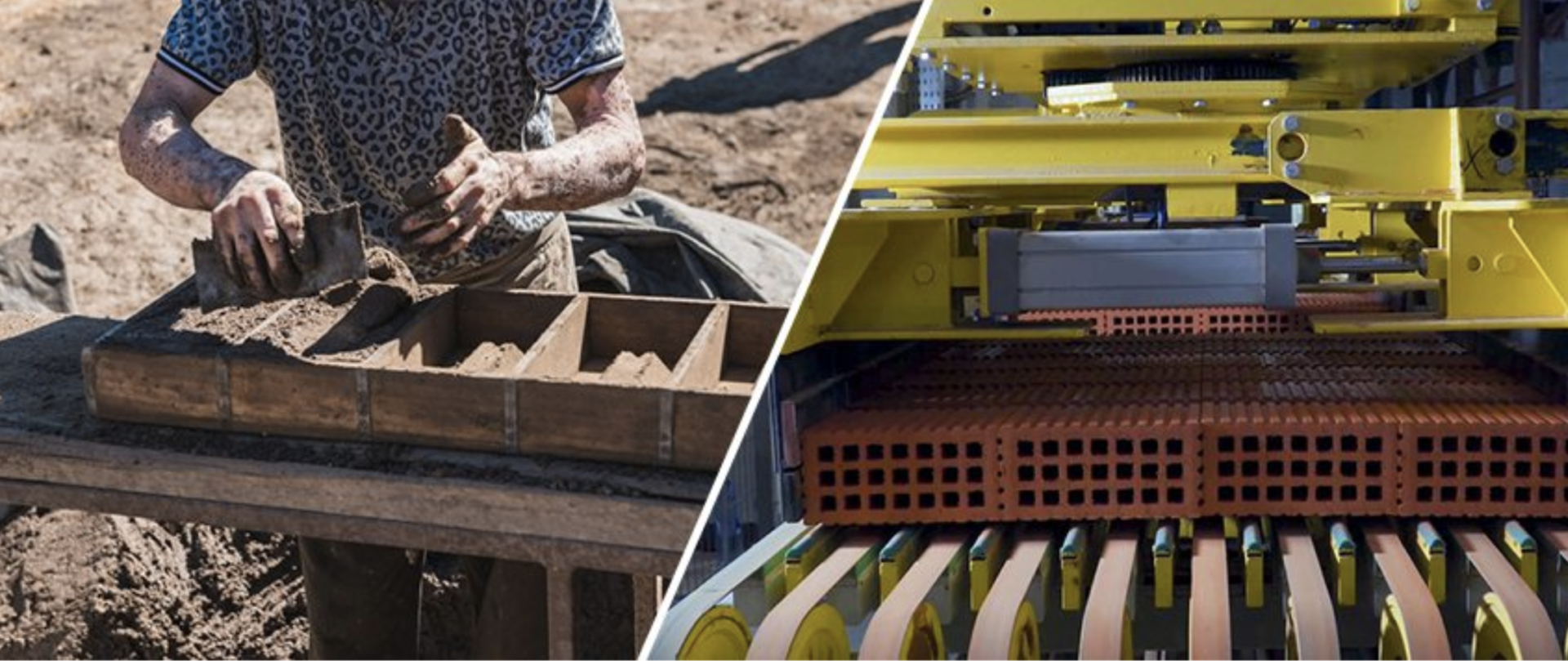
Modern machinery has enabled unparalleled precision, bringing forth bricks with consistent textures and intricate designs. Today, we’ll journey through the fine art of brick-making, uncovering the delicate balance between machine precision and the irreplaceable charm of handmade bricks.
I’ve always been fascinated by how simple clay can transform into robust structures. So, if you share this curiosity, read on to explore the world of bricks in its myriad hues and patterns.
1. Texture Varieties: Making Your Home Unique
Texture plays a pivotal role in home aesthetics. The choice of brick texture can set the ambiance of a room or even the entire house. From rustic to contemporary, rough to silky, the texture of your bricks can make or break your design aesthetic. Here, we’ll delve into the spectrum of brick textures and how each one can create a unique style statement for your home.
Rough Textures
For those who love a rustic touch, rough textured bricks can bring an earthy and vintage vibe to your living spaces. Imagine a cozy fireplace or an accent wall with rough bricks; the ambiance is immediately warm and inviting.
Smooth Textures
Smooth bricks offer a sleek, polished look ideal for modern homes. Ideal for modern homes, these bricks offer a polished look that captures and reflects light beautifully. The refined finish of Tabrick smooth bricks ensures both luminosity and a touch of modern elegance in any setting.
Handmade Textures
Bricks with handmade textures exude a sense of craftsmanship. Their uneven and artisanal appearance gives a charm of handcrafted uniqueness, making each brick feel special.
Weathered Textures
These bricks mimic the natural aging process, giving an old-world charm to spaces. Perfect for those looking to instill a sense of history and timelessness in their homes.
Grooved Textures
With linear grooves or patterns, these bricks add an element of depth and geometry to walls. They’re perfect for spaces where you want to introduce a subtle play of light and shadow.
2. Incorporating Bricks in Home Decor
Bricks, often seen as foundational materials, have taken on a renewed life in home decor. The texture, warmth, and versatility they bring to spaces can’t be understated. Whether you’re considering a vintage charm or a modern edge, bricks offer diverse options to bring your design vision to life.
Interior Design Ideas
Let’s explore some examples of interior designs:
- Feature Walls: A brick accent wall can serve as a stunning backdrop in living rooms, bedrooms, or even home offices, instantly adding character to the space.
- Kitchen Backsplashes: Exposed brick backsplashes lend a rustic charm to kitchens, complementing wooden cabinetry and metallic fixtures.
- Flooring: Brick flooring, whether in a herringbone or straight pattern, provides durability and a unique aesthetic appeal, especially in areas like sunrooms or patios.
- Brick Arches: These can be used to define different spaces or as entries to hallways or rooms, giving a Mediterranean or traditional touch.
- Fireplaces: A classic application, brick fireplaces serve as cozy focal points in a room, adding warmth both literally and aesthetically.
Exterior Brickwork
Here are the following applications of bricks in exterior designs:
- Facade: A full brick facade not only offers durability but also timeless appeal. Whether it’s a classic red brick or a modern gray hue, it elevates the home’s curb appeal.
- Driveways and Walkways: Using bricks for driveways or garden paths provides a classic look, ensuring longevity and style.
- Patios: Brick patios, be it in uniform patterns or a mix-and-match style, make for inviting outdoor spaces, perfect for family gatherings or quiet evenings.
- Garden Walls: Brick garden walls or partitions can define spaces in your backyard, also serving as a backdrop for planters or outdoor artwork.
- Brick Planters: Raised planters made of brick can integrate seamlessly with your garden landscape, offering both function and form.
3. Design Innovations in Brick Art
Bricks, historically regarded as mere building materials, have transcended into the realm of art and design. With technology and creativity intertwined, contemporary brick designs have become a testament to architectural innovation. From color variations to shape transformations, let’s explore the forefront of brick art design.
Color Spectrum in Bricks
Gone are the days when bricks were only available in shades of red or brown. Today, you can choose from a palette ranging from muted grays to vibrant blues, allowing bricks to complement or contrast any interior or exterior theme.
Customizable Brick Designs
Thanks to advanced manufacturing processes, bricks can now be customized to a variety of designs. From engraved patterns to raised motifs, homeowners can now have bricks that resonate with their unique aesthetic sense.
Brick Mosaics
With Tabrick’s wide variety of shades and textures, brick mosaics are intricate patterns waiting to be explored. These mosaics, crafted using bricks of different colors or textures, can serve as statement walls or floors. Not only do they bring a unique design, but they also add a layer of sophistication and artistry to any space.
Eco-friendly Bricks
The demand for sustainable solutions has ushered in innovations like eco-friendly bricks. Made from recycled materials or designed to have a lower carbon footprint, these bricks merge aesthetics with responsibility.
3D Printed Bricks
With the advent of 3D printing, bricks can now be created with precision and complex designs that were previously impossible. This innovation allows for bricks with cavities for insulation, intricate lace-like patterns, or even bricks that play with light and shadow.
4. 3 Tips for Utilizing Machine Precision Bricks in Projects
Embracing machine precision bricks in construction is not just about selecting them; it’s about leveraging their unique properties to maximize benefits. Integrating these bricks optimally can enhance both the efficiency of a project and the longevity of the finished structure. Here are some insights:
#1 Understanding the Specifics of the Brick
Before embarking on construction, it’s essential to comprehend the specific attributes of the machine precision bricks being used. For example, their weight, load-bearing capacity, thermal resistance, and more. By understanding these specifics, builders can ensure that the bricks are used in ways that align with their strengths, maximizing both safety and durability.
#2 Opt for Design Flexibility
One of the advantages of machine precision bricks is the variety of textures and designs available. Use this to your benefit. Maybe a certain texture is perfect for exterior walls, or perhaps a particular design aligns seamlessly with the building’s overall aesthetic. Being flexible and creative with design choices, the finished project can stand out both in form and function.
#3 Regular Quality Checks
While machine precision ensures consistency, it’s still crucial to conduct regular quality checks. This involves examining bricks for any signs of manufacturing anomalies or inconsistencies. Regular inspections, especially at the start of the project, can help builders ensure they’re working with the best materials from the get-go, minimizing potential issues down the line.
Conclusion
In the intricate dance between tradition and technology, the artistry in brick-making shines through. With the precision offered by machines, complemented by the age-old craftsmanship of handmade processes, bricks evolve into more than just building blocks; they become design statements.
Business owners seeking to elevate their establishments’ appeal while ensuring unparalleled strength should look no further. Contact us for more product details or any questions. Your business deserves an architectural signature, and we’re here to help you achieve it.