
Last Updated on May 28, 2026

Window boxes have a way of making a house look like it’s being genuinely loved. The sight of flowers and greenery cascading from a window ledge, catching afternoon light and swaying gently in a breeze, communicates something that no architectural feature or paint color can replicate: that someone tends to this home with care and takes pleasure in its appearance. This is why window box planters have remained one of the most enduring and beloved elements of residential exterior design across centuries and cultures — from the flower-laden chalets of the Alps to the herb boxes of urban apartments to the cottage gardens of rural England.

The opportunities to use window box planters effectively extend well beyond their traditional placement on window ledges. This guide covers the full range of ways to incorporate them into your home’s exterior design, from the classics to the more creative applications, along with the practical knowledge needed to make them thrive.

The Traditional Window Ledge: Done Right

The classic window box mounted at the base of a window is the foundation of the form, and there are good reasons it has remained the default approach for centuries. At window height, plantings are visible from both outside and inside the house, offering the double pleasure of enhanced exterior appearance and a living framed view from indoors. The vertical proximity of the window above the planter creates a natural relationship — the plants seem to reach toward the light while the window frames the view of them from within.

Getting the traditional window box right involves attention to several details. The box should span approximately the full width of the window it accompanies, within a few inches in either direction — a box that’s significantly narrower than the window looks tentative, while one that’s substantially wider creates an awkward imbalance. Depth matters too: a minimum of 8 inches of growing depth is needed for most annual plants and perennials to establish healthy root systems; 10-12 inches is better for more demanding plants or longer growing seasons.

Mounting security is a non-negotiable safety concern that’s easy to underestimate given how light an empty window box feels. A box filled with moist potting mix can weigh 50-100 pounds or more depending on its size. Hardware should be rated for the actual loaded weight, installed into structural members (not just into siding or sheathing), and inspected annually for any signs of degradation. Professional installation of window boxes on upper-story windows is worth the modest cost for the safety assurance it provides.

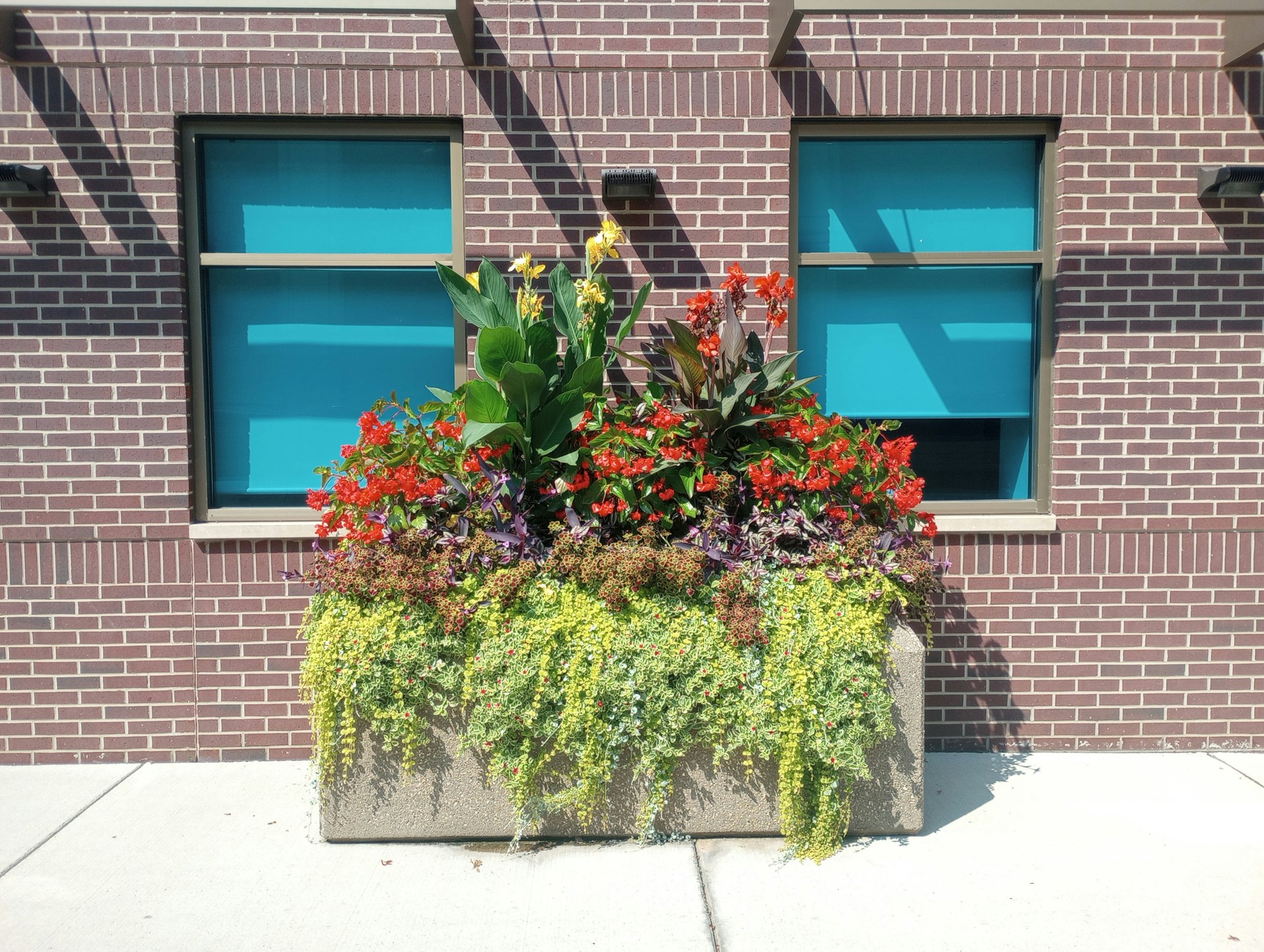
The “thriller, filler, spiller” planting formula — popularized by garden designers for container plantings — works beautifully for window boxes. One tall, vertical element (the “thriller”) provides structure and height: ornamental grass, a small standard trained topiary, or an upright flowering plant. Medium-height plants (the “fillers”) create the body of the arrangement: compact annuals like petunias, verbena, calibrachoa, or in shadier spots impatiens and begonias. Trailing plants (the “spillers”) cascade over the front of the box: sweet potato vine, bacopa, creeping Jenny, or trailing nasturtiums create the flowing, abundant effect that makes window boxes look lush rather than spare.

RELATED  Understanding the Benefits of Seamless Gutters for Homes

Railing Planters: Elevating the Deck Experience

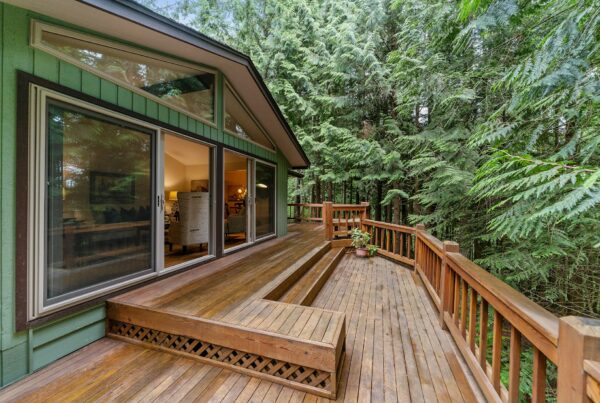
Window box planters mounted to deck, porch, and balcony railings bring the same lush effect to outdoor living spaces that traditional window boxes bring to window ledges, with the added benefit of creating a sense of enclosure and privacy that opens decks and balconies genuinely lack. A deck railing lined with full, blooming planters is a fundamentally different experience from a bare railing — it feels like a room rather than a platform.

Railing planters are available in designs that hang on the interior of the rail (facing the deck for private enjoyment), on the exterior (facing outward for curb appeal and street presence), or straddling the rail with equal visual presence on both sides. For decks used primarily for private entertaining and relaxation, interior-facing planters make the most sense. For porches and balconies visible from the street, exterior-facing or straddling planters serve both aesthetic and privacy functions simultaneously.

The plant selection for railing planters should account for the exposure they’ll receive. South and west-facing decks receive intense afternoon sun and heat — drought-tolerant annuals like portulaca, lantana, and verbena perform better in these conditions than moisture-demanding plants that will require constant watering. North and east-facing decks receive gentler morning light and are well-suited to impatiens, begonias, and shade-tolerant foliage plants like coleus and caladiums that would be stressed by harsh afternoon sun.

Fence Planters: Transforming Boundaries into Gardens

The typical garden fence — whether wood, vinyl, or metal — is a purely functional boundary marker with zero aesthetic ambition. Attaching window box planters along fence lines transforms these blank boundaries into flowering garden features that add incredible visual warmth and complexity to a yard.

This approach is particularly effective in urban and suburban contexts where fences define the edges of small outdoor spaces. A 30-foot section of fence planted with matching window boxes at regular intervals creates a continuous flower border effect without requiring any in-ground planting space — ideal in situations where the fence is on a paved surface, the ground beneath is compacted and challenging, or where the fence belongs to a neighbor and permanent in-ground planting isn’t appropriate.

The style of planter should coordinate with the fence material and the overall garden aesthetic. Wooden boxes on a wooden fence create a cohesive, natural look. Metal planters with clean geometric profiles on a modern horizontal-slat fence create a contemporary garden aesthetic. Terracotta-colored fiberglass or concrete planters on a brick wall or stone fence bring a Mediterranean warmth that suits cottage and traditional garden styles.

Staircase and Entryway Applications

The transition from the exterior to the entry of a home is one of the most important design moments in residential architecture, and window box planters at various points along this path from street to door intensify the sense of welcome and garden abundance that makes a home’s first impression genuinely engaging.

Planters mounted on the sides of exterior staircases — whether freestanding boxes positioned on broad steps or planters mounted to the stair railings — line the approach to the front door with color and fragrance. On a staircase with generous step width, a planted pot or box on alternating steps creates a beautiful, staggered ascending garden effect. On a railing staircase, planters mounted to both sides of the rail create a floral avenue that feels genuinely special.

RELATED  Improving Your Grill Time: Combining Style and Ease with BA-AHD-SS BBQ Access Doors 

At the front door itself, window box planters mounted to the facade on either side of the door frame — matching the door frame height or positioned just below — create a formal, symmetrical welcome that is particularly effective on traditional home styles. These flanking planters work with a different plant palette than window ledge boxes: more structured, more formal plants — boxwood topiaries, standard roses, lavender — suit the architectural role of framing an entry.

Planters mounted to exterior walls adjacent to the main entry, or bracketed beneath lantern-style light fixtures at the door, add a layer of detail and botanical abundance that makes a home’s front face notably warmer and more welcoming. Even a single well-planted window box at the entry level — not necessarily under a window but mounted purposefully on a stretch of wall — signals care and design intention.

Under-Eave and Soffit Placement

For homes with deep overhanging eaves, a creative placement for window box planters is mounted just below the soffit line, suspended from the overhang rather than anchored to the wall. This higher placement gives the planters visibility from the street even on one-story homes where window heights might be lower than ideal for traditional window ledge boxes, and the hanging position allows trailing plants to cascade dramatically.

This application requires particularly robust mounting hardware, as the dynamic load of planters swinging in wind is greater than the static load of planters mounted to a stable wall. Structural assessment of the eave framing before installation is advisable, and using planters on the lighter side of the weight spectrum — fiberglass or quality plastic rather than concrete or heavy terracotta — reduces the load requirements.

Trailing plants are particularly effective at this height: long runners of sweet potato vine, cascading petunias, trailing bacopa, or flowering vines create dramatic downward curtains of color that read beautifully from a distance. The effect is lush and garden-like in a way that few other exterior planting arrangements can achieve.

Herb and Kitchen Gardens at the Window

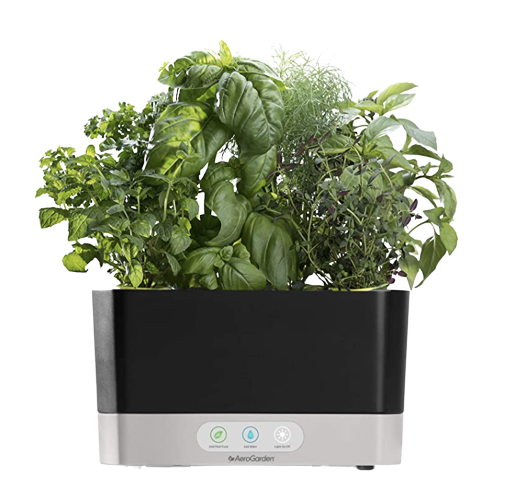
A window box planted with culinary herbs is one of the most functionally satisfying applications of the form. Mounted just outside a kitchen window — or on a kitchen windowsill if interior placement is possible — a herb window box provides fresh herbs a step away from the cooking process while creating one of the most fragrant and inviting window box compositions available.

Herbs in window boxes require good drainage (add extra drainage holes if the box doesn’t have enough), at least 6 hours of direct sunlight daily, and consistent but not excessive moisture. Mediterranean herbs — basil, thyme, rosemary, oregano, sage — are well suited to window box culture and respond well to regular harvesting, which actually encourages bushier, more productive growth. Mint, while excellent for window boxes due to its tendency to spread aggressively in garden beds, should be given its own container rather than sharing space with other herbs, as it will crowd them out.

RELATED  4 Questions to Ask a Gopher Removal Service Before Hiring

A kitchen herb box makes a beautiful and practical gift, and maintaining one requires a similar discipline to any container garden: regular watering, fertilizing every two to three weeks during the growing season, and harvesting before plants bolt to seed. The reward — snipping fresh basil for pasta, rosemary for roasted vegetables, thyme for soup — is a daily pleasure that justifies the modest investment in care.

Seasonal and Year-Round Planting Strategies

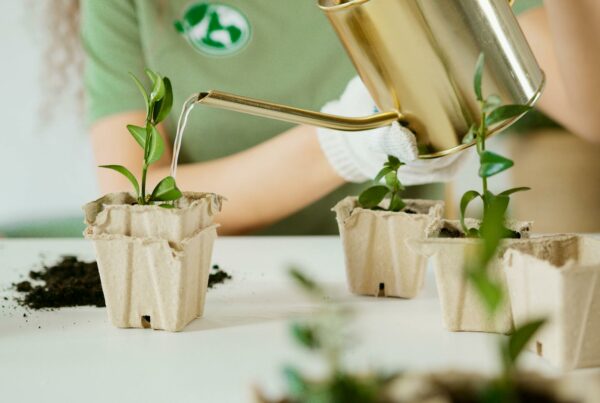
One of the greatest strengths of window box planters is their ability to be replanted seasonally, providing a continuously changing display throughout the year. A homeowner who replants their boxes three times a year — spring bulbs and cool-season annuals in spring, warm-season annuals at peak performance through summer, and evergreen arrangements or seasonal fall plantings in autumn — maintains a constantly fresh and appropriate exterior throughout the gardening year.

For winter interest in colder climates where living plants can’t survive outdoors, non-plant materials extend the window box season: pine branches and cones, bare birch or red-twig dogwood branches, ornamental kale or cabbage that tolerates frost, and decorative objects like ribbon-wrapped spheres or lanterns create seasonal arrangements that carry visual interest through the coldest months.

Evergreen plantings — boxwood, compact conifers, broad-leafed evergreens appropriate for the climate — provide year-round structure that only needs supplementing with seasonal flowers and trailing plants rather than complete replanting. In mild climates, a planted arrangement of small shrubs and perennials in window boxes can persist year-round with minimal intervention.

Choosing the Right Material for Your Boxes

Window box materials have expanded considerably beyond the traditional wood and terracotta options. High-quality fiberglass planters in molded finishes that replicate wood, stone, or lead give the appearance of premium traditional materials with a fraction of the weight and dramatically superior durability. These are the practical choice for permanent or semi-permanent installations on upper-story windows where minimizing weight is a genuine concern.

Natural wood window boxes have authenticity and warmth that no manufactured material fully replicates. Cedar and redwood resist rot naturally and are the appropriate wood choices for planters that will be exposed to outdoor moisture continuously. Painted wood window boxes should be primed and painted on all surfaces including the interior before planting to prevent premature deterioration from moisture exposure.

For a ready-to-plant option that’s practically indestructible and highly functional, a self-watering window box planter with a built-in reservoir extends the time between watering, reduces the risk of overwatering, and keeps plants healthier through hot, dry periods — making it an excellent choice for busy homeowners who want beautiful window boxes without the constant attention that traditional planters require.

Window box planters, deployed thoughtfully across the various opportunities your home’s exterior presents, create an accumulated effect of botanical generosity that transforms how your home presents itself to the world. From street to entry, from fence line to railing, from kitchen window to summer porch, the presence of living, blooming, tended plants communicates something about the people who live inside that no architectural element can: that this is a place where beauty is noticed, cultivated, and genuinely valued.

Tia

Tia

Tia is a marketing strategist who seamlessly blends her professional expertise with her personal passions. With a green thumb and an inherent love for all things related to home decor, she brings a unique perspective to her work and finds joy in cultivating both plants and creative design ideas.

Leave a Reply