
Last Updated on November 11, 2021
Most families produce waste every day. In fact, it’s estimated that each individual in a household produces 540 kg of waste every year. That’s over 10 kg every single week. It’s also estimated that food waste alone is costing billions annually.
With that said, disposing of your waste is an important matter. And it doesn’t mean simply throwing your trash wherever. Back then, people haven’t been properly and effectively dealing with their thrash, causing pollution on air, land, and the sea. As a result, animals and humans alike suffer greatly, especially Mother Earth.
So, as people become more conscious about their impact on the environment, they also start to realize that there are efficient ways to deal with waste. Here are four eco-friendly waste disposal methods you should try:
-
Dispose of Waste by Recycling
Recycling is perhaps the best method of proper waste disposal because it can go a long way to conserve the environment. It allows you to process materials that’d otherwise be thrown away as thrash and transform them into new, usable products.
Trash recycling makes sure that waste materials don’t get into bodies of water or create trash mountains in landfills. It conserves natural resources and prevents pollution by reducing the need to collect new materials. Not only that, but the government saves money that can be used for waste programs, creates jobs in the recycling and manufacturing industries, and even helps you earn some cash.
Did you know that about 75% of all household waste is recyclable? Unfortunately, the uptake is low since most people have no idea about which materials can be recycled and how to recycle those materials properly. So, to start, you need to cover all the basics of recycling. And when you learn how to recycle properly, you’ll be able to reduce your home’s thrash output while gaining economic and environmental benefits.
-
Use Waste as Animal Feed
Your pet can be a waste disposal entity. Animals will feed on scraps you give them. Dogs and cats like to gnaw on food wastes. This significantly helps reduce your food waste. Just make sure that your leftover is suitable for their diet.
Livestock such as chickens and pigs also feed on any food scrap you give them. You get to reduce your waste as well as the cost of buying commercial feeds for your pet or livestock.
And don’t worry even if you don’t own any animals. You can donate your food leftovers to farmers to feed their livestock animals. Or you can also donate extra food craps to your local zoos or even producers of pet and animal foods.
-
Consider Composting
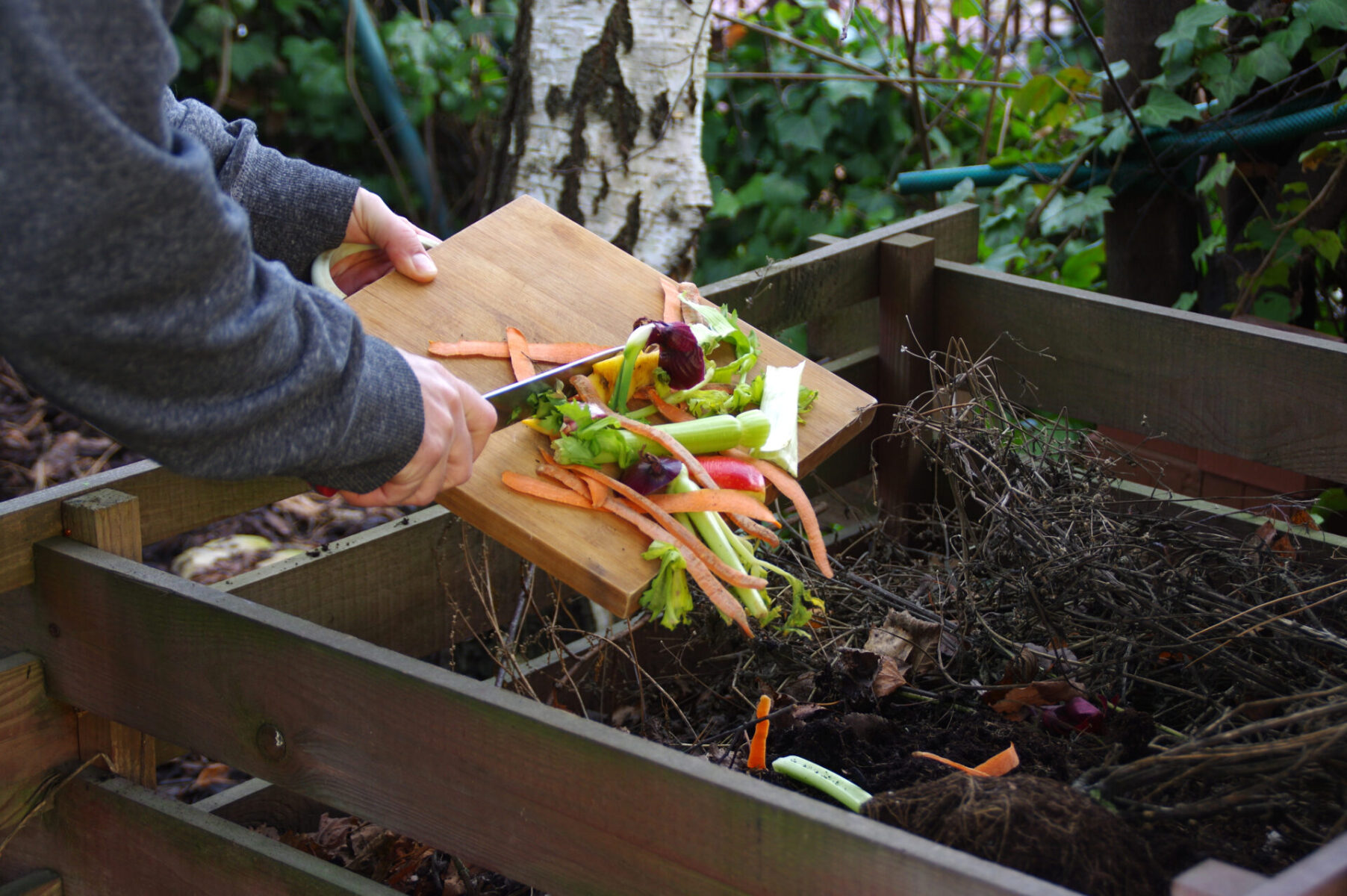
If you have a green thumb, then you’re probably using your waste as a fertilizer for your lush garden. But if you’re not, then you should know that composting is another great way to dispose of your trash the eco-friendly way. Composting means turning your kitchen and food waste into fuel for your plants and can suit any kind of garden.
From fruit and veggie scraps to tea bags and coffee grounds, even yard waste such as dead leaves and grass clippings, you can use them to create a nutrient-rich soil suitable for growing plants.
But even if you don’t have a garden of your own, you can always donate your food waste to a public garden instead of landfills.
-
Try Anaerobic Digestion
Anaerobic digestion is the process by which bacteria and other microorganisms break down organic waste. It’s like composting, but the main difference is that the bacteria don’t require oxygen and open-air for the process.
While it’s slower than regular composting, the result is far more useful. It’s seen as a renewable energy process. With anaerobic digestion, you create methane among other products, which can be used to power various engines or further upgraded into natural gas.
In general, you have to give your specific household waste to facilities for anaerobic digestion. The waste disposal and biogas production take place in a reactor containing complex bacterial communities to break down or digest the waste and produce the resultant biogas.
Dispose of Household Waste Efficiently
Trash and waste are a part of daily life. While no household can become completely waste-free, you can help in reducing the waste you produce and its impact on the environment by following the above methods of proper waste disposal. Although seemingly trivial, disposing of your household waste properly allows you to substantially contribute to the good of the world. Also, doing so would make you a more responsible citizen. Take note of the ideas mentioned here as you throw away your wastes appropriately.