
Last Updated on February 8, 2023
If your kitchen is in need of a makeover, you’re not alone. Many homeowners invest in kitchen remodels to update the space and increase their home’s value. While a complete kitchen overhaul can be expensive, there are plenty of ways to give your kitchen a fresh look without breaking the bank. This blog post will share some tips on how to remodel your kitchen on a budget. Whether you’re looking to replace appliances, repaint cabinets, or install new countertops, this blog post has got you covered. So, if you’re ready to take on a DIY kitchen project, read on for more inspiration!
Decide what you want to change about your kitchen
Do you need more counter space, storage, or a different layout?
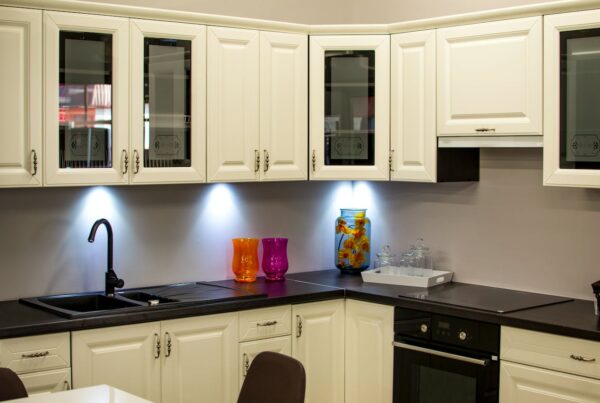
Deciding to make a change to your kitchen is an exciting prospect; depending on what you want to achieve, the possibilities are almost endless. Do you want travertine countertops? Do you need extra storage? Then it might be something as simple as adding cupboard organizers or extra shelves. An island could also be a great addition if you’re looking for extra counter space. On the other hand, if the room layout isn’t working for you, then consider moving around existing units and appliances to create a different flow. New kitchen designs incorporate innovative storage solutions that can really maximize your space while giving you a bright, modern-looking kitchen – the perfect place to enjoy cooking and entertaining family and friends!
Research different kitchen remodeling ideas
With the seemingly endless variety of kitchen remodeling ideas available today, researching your options is a great way to make sure you find the perfect design for your home. From replacing outdated cabinetry and lighting fixtures to updating old countertops, there are plenty of ways to enhance the look of your kitchen.
Thinking about incorporating an island or breakfast bar for more storage and entertaining space? Research has shown that adding these elements can significantly increase the value of a home. Doing some research ahead of time not only ensures you end up with a unique kitchen space but also allows you to stay within budget, ensuring that you get the bang for your buck when it comes time to do the actual remodeling.
Create a budget for your kitchen remodel
Planning a kitchen remodel can be an exciting process to imagine all the possibilities, but as everyone knows, these projects don’t come cheap. Before you break out the measuring tape and pick out paint swatches, creating a budget that realistically reflects what you can afford is essential.
While taking into account cost estimates on labor and materials, you should allot additional funds for potential unexpected expenses. After adding up the total estimated cost of your new kitchen, check in with yourself; if anything feels too tight or strained, go back to the drawing board and find ways to make it more feasible with your budget restrictions. Making a realistic budget for remodeling is the key to any successful project.
Sometimes it so happens that many are unveiled to budget and they buy too much, only for many of the items to be redundant. This is why we would advise taking consultation from a renovation company, as you can simply give them your budget, and your vision and they will get it done.
Find a contractor or kitchen designer who can help you with the remodel
Remodeling a kitchen can be daunting as it involves making critical decisions that could affect your home for years to come. This is why finding the right contractor or kitchen designer experienced in the type of change you’re looking for is essential. Start by asking friends and family for recommendations, checking reviews online, and even getting personal opinions from former customers.
Each professional should provide an understanding of their process and timeline, communication policy, and other details about their services to ensure you’re getting exactly what you need. Investing some time in research will help you find the right individual or company to complete your project and give your kitchen that desired updated look.