

Last Updated on October 12, 2023
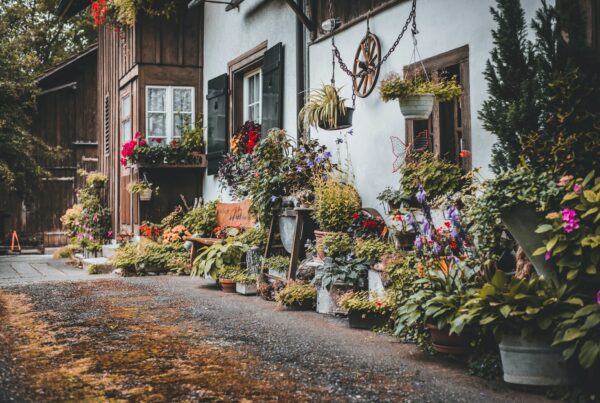
Transforming your patio from a plain space to a beautiful outdoor oasis doesn’t have to be difficult. From vertical gardening to adding a water feature, there are many ways to turn your outdoor space into a place you’ll never want to leave. With a few simple ideas, you can create a cozy retreat for friends and family to enjoy.
Vertical Gardening
Vertical gardening involves the cultivation of plants on walls, trellises, or various supports. It’s an efficient use of space and can also help to create privacy. Plants such as ivy, black-eyed Susan vine, and American Wisteria are all popular climbing plants.
If you don’t want to use trellises, you can also make use of vertical space by using hanging baskets or tall and narrow shelving units. Plants like philodendrons, maidenhair fern, and pothos are excellent choices and can be easily hung in baskets or planters. Don’t forget to include some colorful blooms to add a vibrant splash to your vertical garden.
Once you have chosen the plants for your vertical garden, it’s time to start thinking about the structure. A variety of materials are suitable for this project, including lattices, trellises, and wooden frames. You may need to consult a professional if you need help setting up and installing the structure.
Xeriscaping
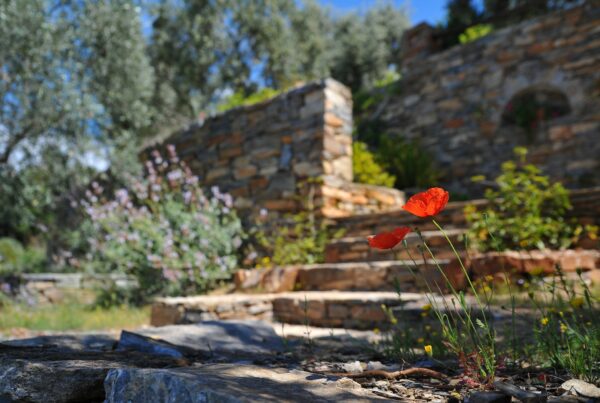
If you want some greenery around your patio but don’t want to have to put much time into maintaining it—especially during the colder months when there’s already so much to do to get your home ready for winter—xeriscaping might be perfect. Xeriscaping is an environmentally friendly landscaping technique that uses drought-tolerant plants, mulch, and stone to reduce water consumption. It’s also a great way to reduce the amount of time you spend on yard work, since these plants are designed to require minimal care.
When deciding which plants to include in your xeriscaping design, opt for native and drought-tolerant varieties. Consider the climate and the amount of sun and shade your patio receives. Succulents, ornamental grasses, and cacti are all popular xeriscaping plants.
When it comes to mulch, use a variety that won’t require much water to stay healthy. Natural wood mulch, such as cedar or pine, is a great choice. It breaks down slowly and prevents weeds from taking over your landscape. Stones can also be used for xeriscaping. Pebbles, gravel, and flagstones are all great options.
Add a Water Feature
Adding a water feature is an easy way to create a sense of serenity and relaxation. Whether it’s a small fountain, a pond with colorful fish, or a birdbath, you can create a tranquil retreat in your own backyard.
When choosing a water feature, consider the size and location of your backyard. If you are short on space, opt for a small tabletop fountain, or if you have room, a larger pond or fountain can really bring your patio landscaping to life. Consider adding a waterfall, which will add movement and sound to your patio.
In addition to the aesthetic benefits, a water feature can help attract birds and other wildlife to your patio. A birdbath or pond can be a great way to observe nature up close.
Plants Around Patio for Privacy
Planting tall shrubs or trees around the perimeter of the patio can help to create a feeling of privacy. To create a sense of continuity, choose plants that are uniform in size and shape and plant them in neat rows. The size of the plants should be appropriate for the size of the patio, and they should be placed far enough away from the patio to allow for comfortable seating.
Evergreen trees and shrubs are great for providing year-round greenery and privacy. They can block out the view of the surrounding area while keeping the patio protected from the elements. Many varieties of evergreen trees and shrubs are available, some with colorful leaves to add more decor—space permitting, you could even set up some fruit trees or other edible plants so you can have both privacy and free food! Deciduous plants can also be used, but they do lose their leaves in the winter.
The vertical gardening strategies from above can also be used to create privacy around a patio. Some plants, like ivy, have a fast growth rate and can quickly cover walls or fences. Others, like clematis, produce colorful flowers and can cover large surfaces.
Transform Your Patio into a Paradise
Adding landscaping around your patio can be a great way to create a beautiful outdoor space. There are many different ideas to choose from that don’t take much time, such as vertical gardening and xeriscaping. If you want the area around your patio to really stand out, you can add fancier features like a fountain. With a little research and creativity, you can create an outdoor oasis that you can enjoy for years to come.