
Last Updated on May 3, 2026
There is a particular quality to a home that feels genuinely elegant without being cold or pretentious. It is hard to define precisely, but you know it when you walk into a room that has it. The furniture sits comfortably without crowding the space. The colors feel considered rather than defaulted to. The details, the lighting, the textures, the few well-chosen objects on a shelf, all feel like they belong together. This quality of classiness is achievable in any home at almost any budget, provided you approach it thoughtfully rather than impulsively.
Your home reflects your personality, and adding some class to it will give your living area a fresh and sophisticated appearance. Whether you want to sell it, entertain guests, or simply create a more refined environment for yourself, here are eight practical ways to elevate your home is aesthetic.
1. Select the Right Colors
Color is the foundation of any room is look and feel, and the wrong choices can undermine even excellent furniture and finishes. For a classy, enduring aesthetic, the most reliable approach is to build a palette around a few carefully chosen neutrals and introduce color sparingly through accents.
Warm whites, soft creams, pale stone, charcoal, and warm greige all provide a sophisticated backdrop that lets other elements in the room breathe. The colours you choose for your home can have a big impact on how it looks and feels. Neutral tones such as beige, white, and grey are always a safe pick because they lend a conventional and timeless feel to the space. A splash of colour can lend a sense of elegance when used deliberately, just be careful not to overdo it. A deep green library wall or a terracotta accent in a dining room can feel rich and intentional when it is the only saturated color in the scheme.
Before committing to a color on a full wall, paint large sample swatches and observe them at different times of day. Colors change dramatically between morning, afternoon, and evening light, and what looks calm and sophisticated in a noon daylight assessment can read very differently under artificial light after dark.
2. Improve Your Flooring
Flooring is one of the highest-impact upgrades you can make to any room, because it covers a larger surface area than any wall or ceiling. Updating your flooring is an excellent way to add elegance to your home. Stone flooring is always a popular choice since it provides a traditional and timeless appearance.
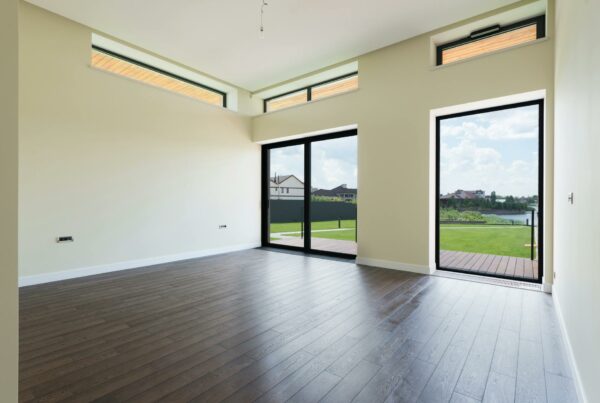
Adding some stone flooring from Quorn Stone in cream or light grey to any decor will lend a refined touch, not only because of the material but also because of the colour. So consider the flooring is material, design, and colour to make your home as classy as possible. Wide-plank hardwood in a warm oak or walnut tone is another perennially sophisticated choice. Herringbone and chevron patterns in both wood and tile deliver an additional layer of visual interest and signal craftsmanship. Even a high-quality large-format tile in a neutral shade can transform a room that previously felt dated or provisional.
If new flooring is not in the budget, a well-chosen area rug can reframe an existing floor and give a room the layered, considered look of a more expensive space.
3. Invest in Quality Lighting
Lighting may be the single most underappreciated element of interior design. When it comes to establishing a stylish ambience in your home, lighting is crucial. The right lighting makes everything in a room look better, and the wrong lighting, too harsh, too cold, or too sparse, undermines every other investment you have made.
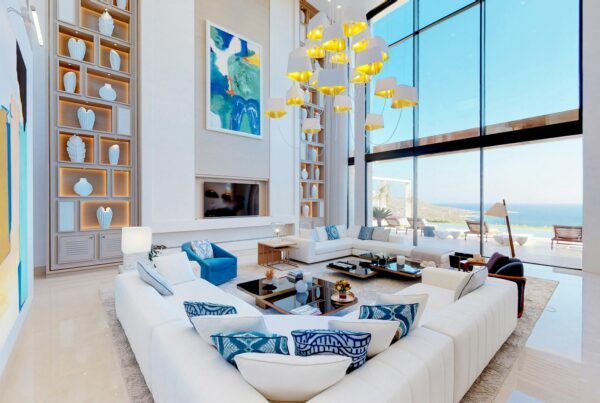
Consider investing in some eye-catching lighting, such as a chandelier or a one-of-a-kind floor lamp. A statement pendant light over a dining table or kitchen island commands attention and sets the mood for the entire space. Sconces on either side of a fireplace or bedhead add symmetry and warmth. Table lamps at different heights throughout a living room create layered light that feels residential and warm rather than commercial and flat.
Dimmer switches are useful since they allow you to change the ambiance of the room for different occasions. A room that is fully lit for a family dinner should be possible to dial down to something more atmospheric for an evening gathering. If you have a fireplace, using it during the cooler months adds a layer of warmth and flickering light that no fixture can entirely replicate.
4. Include Antiques and Vintage Pieces
Antiques can quickly bring character and charm to your home in a way that entirely new interiors rarely achieve. A room furnished entirely with new, contemporary pieces can feel impersonal and slightly corporate. Introducing a single antique or vintage element, a gilded mirror, a worn leather trunk used as a coffee table, a set of brass candlesticks on a mantelpiece, adds the sense that the room has a history and has been assembled with genuine taste rather than assembled from a single catalogue.
You do not need to be an expert or spend a fortune. Estate sales, antique markets, and online vintage retailers are full of pieces at accessible prices. The key is to look for items with good bones: solid construction, quality materials, and proportions that work in your space. Vintage furniture can also be a terrific addition; just make sure it is consistent in spirit with the rest of your home is decor, even if it contrasts in age.
5. Invest in Better Furnishings
When it comes to furniture, quality is far more important than quantity. A few pieces of genuinely well-made furniture will always read as more sophisticated than a room filled with inexpensive alternatives that compromise on materials or construction. Investing in high-quality furniture may instantly elevate the look of your home.
Avoid anything too trendy or flamboyant, and instead look for pieces with clean lines, honest materials, and neutral hues that will remain relevant as design trends shift around them. Leather furniture is a classic choice that can add a touch of elegance to any living room, particularly in deeper tones like cognac, saddle, or forest green. For a sofa, look for solid hardwood frames, high-density foam cushions, and quality upholstery fabric. These details are what separates furniture that still looks good in ten years from furniture that starts showing its age in two.
6. Add Art That Means Something to You
Art has the power to transform a plain wall into a focal point and a generic room into a personal one. Art can bring color and texture to any area, and it is a terrific way to express yourself. The most classy approach to decorating with art is not necessarily the most expensive; it is the most considered. A single large-scale piece hung with intention, properly framed and lit, will always look more sophisticated than a collection of unrelated smaller prints arranged without a unifying vision.
Search for works that speak to you and suit your home is overall aesthetic. A feature wall with a spectacular piece of stone art, an abstract canvas, or a framed vintage print can give a sense of refinement to any environment. Photography, illustration, ceramics displayed on a shelf, and textiles used as wall hangings all qualify as art. What matters is that the selection feels deliberate and personal rather than decorative by default.
7. Bring in Greenery
Plants may be the most immediately impactful thing you can add to a room for very little money. They introduce life, color, and an organic quality that softens hard surfaces and balances the visual weight of furniture. Plants may instantly improve the aesthetic of your living area.
Search for low-maintenance plants like pothos, snake plants, or ZZ plants if you want reliable coverage without intensive care. Fiddle leaf figs and arching palms add sculptural height and drama to a corner. Trailing plants such as English Ivy or string of pearls look wonderful spilling from a shelf or suspended planter. For the most sophisticated look, use unusual pots, terracotta, glazed ceramic, or woven basket covers in complementary tones rather than plain plastic.
If you want to combine indoor greenery with thoughtful arrangement, our tips on how to create a gallery wall translate well to any wall-based display, including arrangements of framed botanical prints alongside small wall-mounted planters.
8. Accessorize Thoughtfully
Accessories are an excellent way to add personality and style to your home, but they are also the category where most rooms go wrong. The mistake is accumulation, adding more and more pieces until surfaces are crowded and the eye has nowhere to rest. The classy approach is restraint: fewer pieces, chosen more carefully, with more space between them.
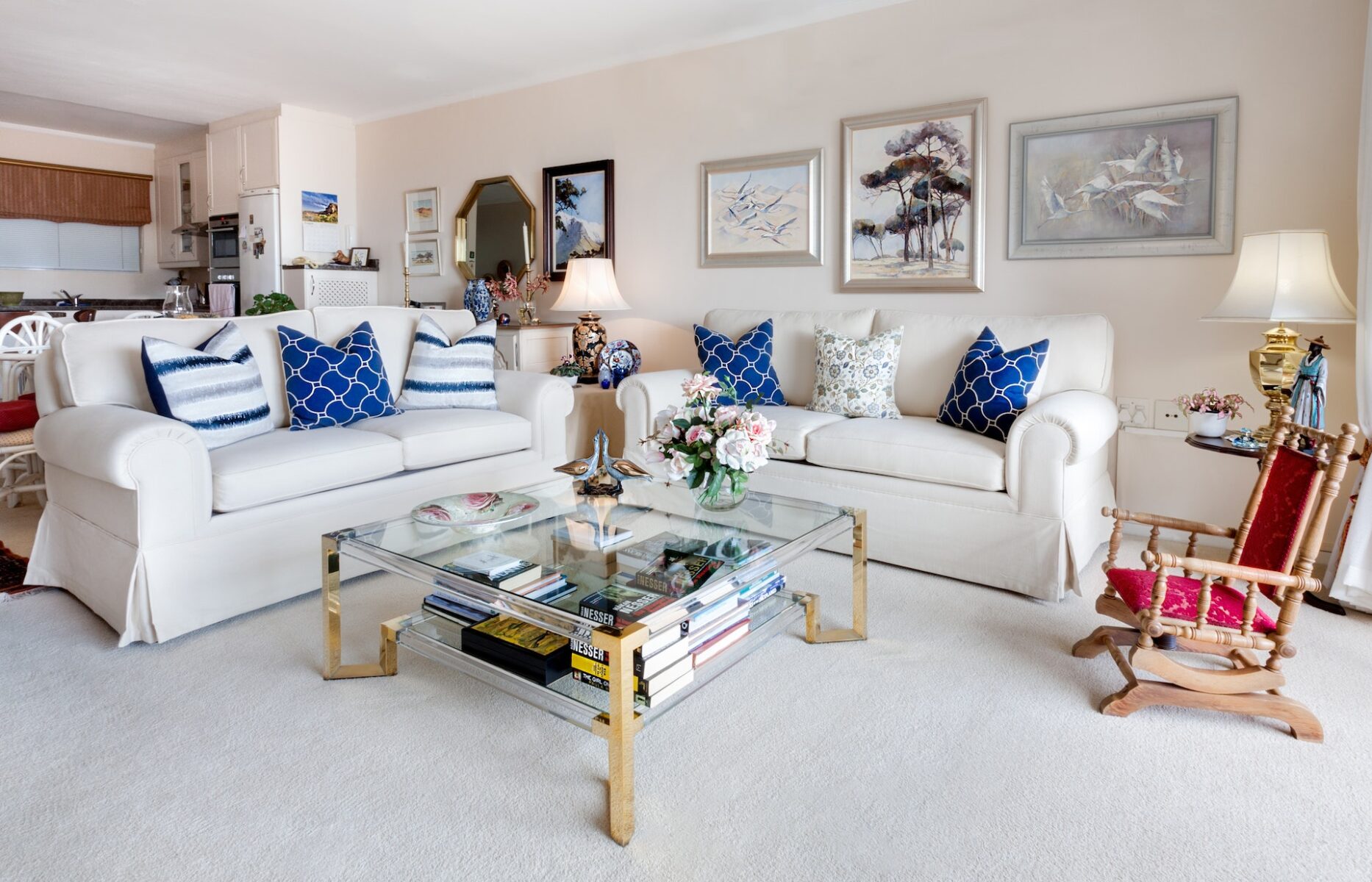
Look for standout pieces that earn their place, a beautiful vase, a sculptural object, a carefully chosen throw pillow in a fabric and color that supports the room is palette. In the kitchen, a marble cheese board or a set of coordinated ceramic canisters delivers a sense of considered style. On a coffee table, three objects of varying heights and textures look more intentional than six objects of the same type. Edit regularly, removing anything that is merely filling space, and the room will feel more polished for it.
For a broader look at how all these elements come together, our guide to basic decoration concepts every homeowner should know offers a helpful foundation for approaching any room with more confidence.
Bringing It All Together
Adding classiness to your home is less about spending more money and more about spending it more intentionally. Each of these eight strategies can be implemented gradually, starting with the changes that will have the most impact in the spaces you use most. Start with color and lighting, which cost relatively little but change everything, then build from there toward flooring, furniture, and the finishing layer of art and accessories.
If you write about interior design, home decor, or lifestyle topics and want to share your expertise with our audience, visit our write for us interior design page.