
Last Updated on July 9, 2026

Updated for 2026.

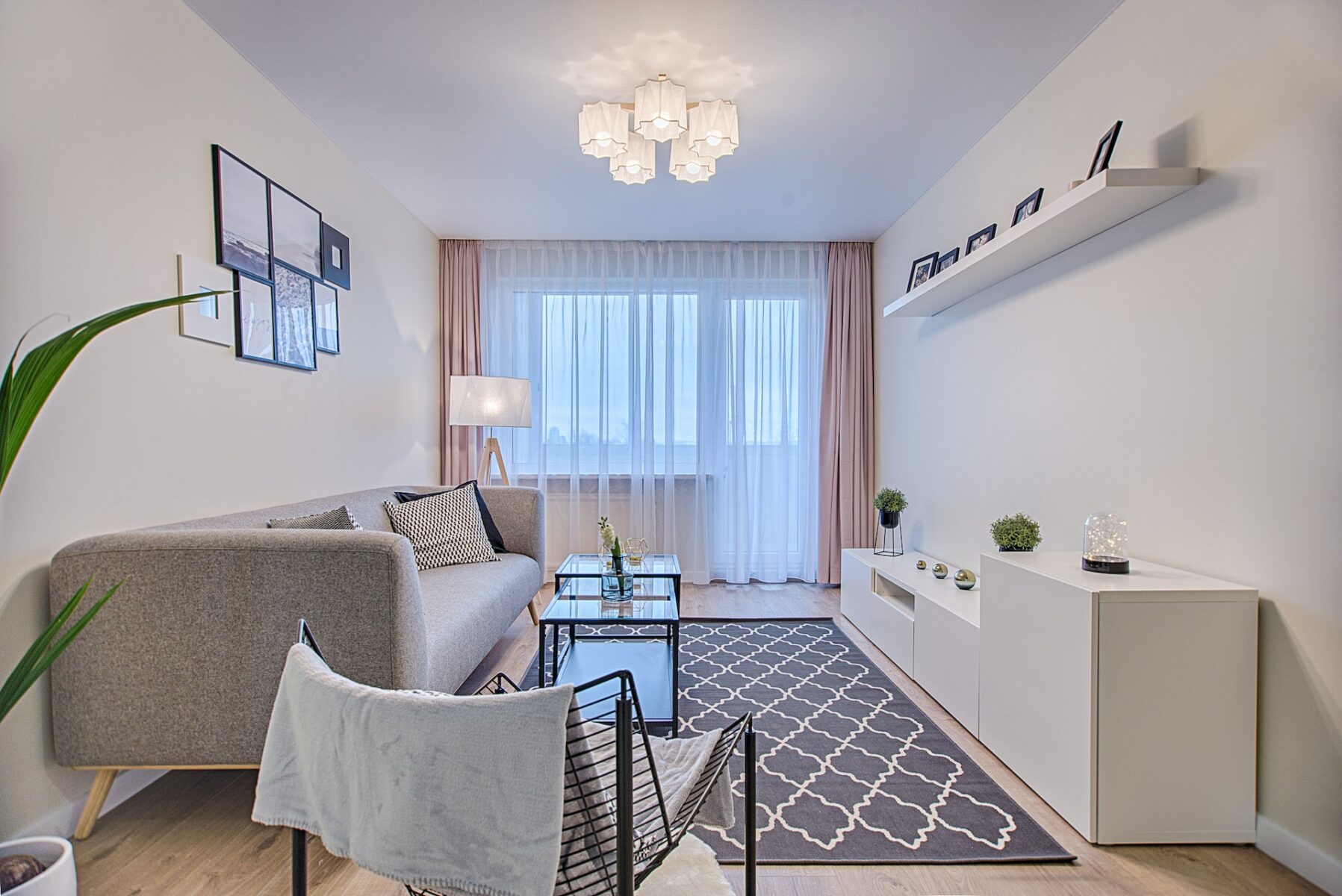
The living room is the stage on which much of domestic life is performed — conversations with people you love, evenings unwinding after demanding days, weekend mornings with coffee and a book, and gatherings that become the memories you return to for years. Furnishing this room well is one of the most impactful investments you can make in the quality of daily life, and it begins with understanding which furniture pieces are genuinely essential and how each one should be chosen to serve its function beautifully.

This is not a list of everything you could include in a living room. It’s a guide to the foundational pieces that every living room truly needs — the furniture that forms the backbone of the room’s function and design, around which everything else is organized.

The Primary Sofa

No piece of living room furniture is more important than the primary sofa, and none deserves more careful thought. The sofa sets the scale of the seating area, anchors the room’s color story, and takes more physical wear than any other piece in the space. Choose poorly here and it affects everything else; choose well and it becomes the dependable, beautiful foundation around which the whole room works.

Scale is the first consideration. A sofa that is too small for the room and the seating group it anchors looks tentative and lost. A sofa that is too large crowds the room and blocks traffic flow. Measure your room and the intended seating area before shopping, and bring those measurements with you when evaluating specific pieces. The sofa’s depth matters as much as its length: deeper, more relaxed silhouettes suit casual family rooms; shallower, more upright profiles suit formal drawing rooms and spaces where elegant posture is expected.

Construction quality is the invisible element that separates sofas that last a decade from those that show wear within two years. A sofa frame made from kiln-dried hardwood jointed with both corner blocks and dowels, with eight-way hand-tied coil springs in the seat deck, is constructed to last decades. A frame made from cheaper softwood or engineered wood products with sinuous (zigzag) spring seats is less expensive for good reason. You won’t see these construction differences from the outside, which is why buying from manufacturers who disclose their construction and why choosing quality upholstery retailers who can speak to these details is worth the effort.

Fabric selection is the aesthetic decision most people focus on, and it genuinely matters. Performance fabrics — woven fabrics treated for stain and wear resistance — are excellent choices for households with children, pets, or heavy daily use. Natural linen, cotton, and wool upholstery fabrics have beautiful texture and age gracefully but require more careful cleaning and are more vulnerable to staining. Leather is a classic choice that improves with age, develops beautiful patina, and cleans easily, though it can feel cold in winter and warm in summer without climate management.

The Coffee Table

The coffee table serves the seating group — providing a surface for drinks, books, remote controls, and decorative objects that anchors the arrangement visually and gives seated people something useful within easy reach. Its proportions should relate to the sofa: typically 2/3 the length of the sofa and positioned 12-18 inches in front of it, close enough to reach comfortably without needing to lean awkwardly forward.

RELATED  8 Ways to Inject Classiness into Your Home

Coffee table design varies widely, from solid wood pieces with traditional craftsmanship to architectural steel-and-glass configurations to woven rattan with organic, relaxed character. The choice should reflect both the room’s overall aesthetic and practical use patterns. Glass tops keep sightlines open and make small rooms feel larger but show fingerprints and require careful handling. Solid wood or stone tops are durable and warm but add visual weight. Upholstered ottomans used as coffee tables are comfortable to put your feet on and provide additional seating in a pinch, but they require a tray for stable surface use.

Nesting tables, a pair of round tables, or a combination of a main table with a side pull-out are variations that provide more flexible surface area for entertaining while taking less permanent floor space than a single large table.

Accent Chairs

The accent chair or chairs that complete a seating arrangement add both function and visual interest that a sofa alone cannot provide. In a typical seating arrangement, two accent chairs flanking the sofa or positioned across the coffee table from it create a conversational grouping that seats four to five people and reads as a properly balanced room rather than a sofa facing a television.

The accent chair is an opportunity to introduce a second material (velvet where the sofa is linen), a second finish color (a warm mustard or terracotta against a neutral sofa), or a distinct silhouette (a curved wingback against a clean-lined sofa) that adds depth and personality to the room. This variety creates visual interest without the chaos that too many competing elements can produce.

Accent chairs should be comfortable as actual seating, not just beautiful to look at. A chair that looks stunning and is unpleasant to sit in for more than ten minutes is a decorative object, not furniture. Test chairs in person whenever possible before purchasing, and spend enough time seated to assess whether the support and comfort level meet your actual use requirements.

Side Tables

Side tables serve each seating position’s needs for a nearby surface — for a lamp, a drink, a book, a charging cable. They’re the quiet workhorses of the living room, and their height should place them at approximately the same level as the arm of the sofa or chair they serve (typically 24-27 inches) for convenient access from a seated position.

The pair of matching side tables at each end of a sofa is the traditional approach, and it works reliably well. But mixing two different side tables that are similar in height and weight — perhaps one in wood and one in metal, or one round and one square — creates a more collected, less catalog-feeling arrangement that many designers prefer for its visual variety. This approach requires a careful eye for balance, but the results are worth it.

A Media Console or Entertainment Unit

In the era of flat screens, the entertainment unit has evolved considerably from the built-in wall unit that defined mid-century living rooms. Today’s media consoles range from simple, low sideboards that keep the television at an appropriate viewing height while providing concealed storage for electronics and media to custom built-in millwork solutions that integrate the television into the room’s architecture.

RELATED  Blooming Elegance: The Art of Incorporating Flowers into Interior Design

The viewing height of the television is an ergonomic consideration that affects comfort significantly. When seated, the center of the television screen should be approximately at seated eye level — which for most people is considerably lower than the top-mounted positions that many homeowners default to. A console that places the television 42-50 inches off the floor (to the center of the screen) works for most seating arrangements. Mounting the television on the wall at the wrong height is a common and regrettable mistake that causes neck strain during any extended viewing.

The media console provides an opportunity to address the cable management and electronics storage that is the bane of modern living room aesthetics. Closed-door storage that conceals receivers, game consoles, routers, and the tangle of cables they generate maintains the visual cleanliness that the rest of your design efforts create. A console with quality cable management features — pass-through holes in the back, ventilated shelves for electronics that generate heat — functions better than one that simply has closed doors without these practical accommodations.

Bookcase or Display Shelving

A bookcase or display shelving unit brings books, objects, plants, and personal collections into the living room in a way that gives the space warmth, personality, and a sense of inhabitation that furniture alone doesn’t provide. Bookshelves are also genuinely useful — a well-organized bookcase with books you’re reading and returning to regularly is a living feature of a room rather than a static display.

Freestanding bookcases — classic Billy-style units, more substantial pieces with adjustable shelves and solid construction, or vintage finds from estate sales and antique markets — are the accessible solution for most renters and homeowners who want flexibility. For homeowners willing to invest in permanence, built-in bookcases flanking a fireplace or filling an alcove create architectural integration that elevates a room dramatically. The built-in appearance — bookcases that look as if they’ve always been part of the room — is achievable with quality freestanding pieces through careful integration with the wall: painted to match the wall color, mounted to the wall for stability, and topped with moulding that connects them to the ceiling.

A Floor Lamp

Overhead lighting — the primary ceiling fixture that many living rooms rely on — produces flat, shadowless light that makes a room feel institutional rather than inviting. Floor lamps positioned at the corners of a seating group, at reading positions adjacent to chairs, and behind or beside sofas create the layered, ambient light that makes a living room feel like a retreat rather than a waiting room.

Arc floor lamps that extend over a seating area to illuminate from above without requiring a table surface are particularly valuable in seating arrangements where there’s no good position for a table lamp. Pharmacy lamps and adjustable reading lamps serve specific task lighting needs at reading chairs. Torchiere lamps that direct light upward provide diffused ambient illumination particularly suited to rooms with lower ceilings where direct downlighting feels oppressive.

RELATED  Basic Decoration Concepts Every Homeowner Should Know

The design of a floor lamp — its silhouette, material, and shade — contributes meaningfully to a room’s aesthetic at a scale that’s hard to ignore given a lamp’s height. A beautiful sculptural floor lamp is genuinely decorative as well as functional, and choosing one with care produces returns in both the light it provides and the design interest it contributes to the room’s composition. A modern arc floor lamp with adjustable head gives you flexibility for both ambient and task lighting purposes while making a confident design statement.

A Quality Area Rug

An area rug is the foundation on which the seating group sits — literally and visually. It defines the conversation area within a larger room, grounds the furniture arrangement, and introduces texture, pattern, and color that the hard flooring beneath cannot provide. A room without a rug in the seating area can feel visually disconnected, as if the furniture has been dropped into the space without intention.

Rug size is the dimension most often miscalculated, with homeowners consistently choosing rugs that are too small. The rug should be large enough for all the primary seating pieces to sit on it — at minimum, the front legs of all seating pieces should rest on the rug. A common guideline for living rooms is a rug that extends at least 18-24 inches beyond the sofa on each end. This creates the unified foundation the seating group needs to read as a cohesive arrangement rather than floating pieces.

Rug quality matters considerably for longevity and feel. Hand-knotted wool rugs represent the premium end — they’re dense, resilient, beautiful, and last generations with appropriate care. Machine-made wool or high-quality synthetic rugs are more accessible price points that still deliver good performance. The pile height affects both feel and practical suitability: flat-weave rugs work well in high-traffic areas and under furniture that might snag on loops; higher-pile rugs are luxurious underfoot in lower-traffic, reading, and relaxation areas.

Building the Room You Actually Want to Live In

The eight essential living room furniture pieces described here are the framework of a room that works well — that serves its functions, looks considered and intentional, and feels genuinely comfortable to inhabit. Within this framework, the specific choices you make about materials, colors, scale, and style are the expression of your own taste and the reflection of how you actually live.

Invest well in the pieces you use and touch most — the sofa, the chairs, the coffee table — and these investments will pay returns in quality of daily life for years. Be more flexible with accent and decorative pieces, where updating a side table or swapping a throw pillow can refresh a room’s feel without requiring a major investment. And furnish your room for how you live in it, not for how it photographs: the best living room furniture is the furniture that makes your specific life better every day.

Brooks Manley

Brooks Manley

Brooks is a marketer by trade, but has developed quite the passion for home design since becoming a homeowner in New Orleans. He'll be writing about he and his wife's favorite home decor products as well as simple tips and tricks for creating a home you love.

Leave a Reply