
Last Updated on May 21, 2026

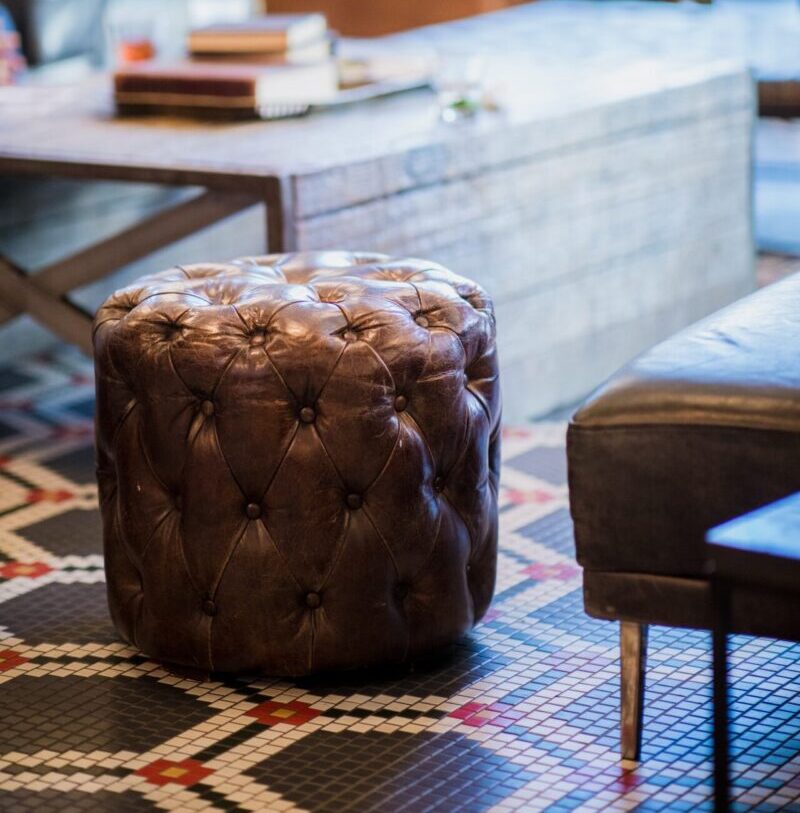
The leather ottoman might be the most underappreciated piece of furniture in the modern living room. It absorbs roles that no other single piece handles so gracefully: footrest, coffee table surface, extra seating when guests arrive, a soft landing for throw blankets, and occasionally the preferred napping spot of anyone under four feet tall. But beyond sheer versatility, a well-chosen and thoughtfully styled leather ottoman has the power to ground an entire room, pull together furniture that might otherwise feel mismatched, and introduce a warmth and richness that fabric seating alone rarely achieves.

If you have been treating yours as an afterthought, it is time to rethink the whole approach. Here is how to style a leather ottoman so it genuinely works in your space, at every scale and in every room where you might use one.

Start With the Right Piece

Great styling begins before the ottoman ever arrives. When you are shopping for a leather ottoman, resist the impulse to buy based on product photography alone. Scale matters enormously in practice, and a piece that looks perfectly proportioned in a large showroom can feel overwhelming in a smaller living room, while an ottoman that appears substantial in an online listing might look oddly lost once it is surrounded by your actual furniture.

The general guideline for sizing is to leave roughly 18 inches of clearance between the ottoman and the seating surrounding it. When placed in front of a sofa, aim for a width that is approximately two-thirds the length of the sofa for visual balance. Go too small and the ottoman reads as an afterthought. Go too wide and it dominates the conversation area.

Color choice is equally important to the long-term success of the piece. Neutral tones like cognac, camel, deep chocolate brown, and charcoal are the safest investment because they hold their visual relevance across redecorating seasons. You can repaint your walls, replace your sofa, rework your rug, and a well-chosen neutral leather ottoman will still belong in the room. Avoid going dramatically lighter or darker than your primary seating unless you are intentionally building contrast as a design element.

Shape is often overlooked when it deserves careful consideration. Rectangular ottomans suit longer, more formal rooms and pair naturally with three- and four-seat sofas. Round or square ottomans feel more casual and work beautifully in smaller spaces, conversation groupings, or rooms where seating wraps around a central area without a strong directional axis.

RELATED  What Is Cwtch Interior Design and Could it Work For You?

Add a Tray and Transform the Surface

The single most transformative thing you can do for a leather ottoman is introduce a tray. This is simultaneously a practical and aesthetic decision. Without one, the soft, slightly giving surface of a leather ottoman does not offer a stable platform for drinks, books, or displayed objects. With the right tray, you create a defined functional zone that operates like a coffee table while preserving the ottoman’s softness for seating and footrest use.

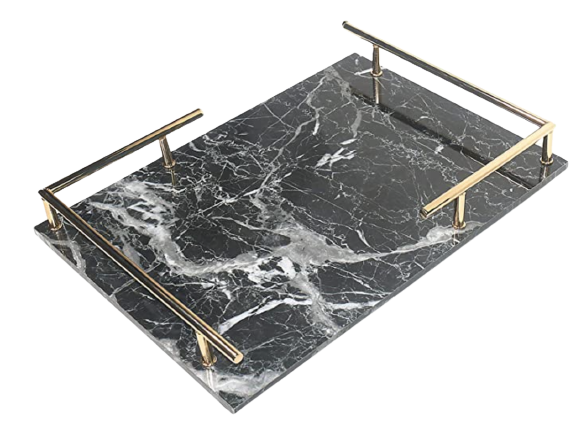
Choose a tray in a contrasting material to the leather. Wood, lacquer, woven rattan, marble-effect resin, and brushed metal all work well against the smooth surface of leather. Size matters: aim for a tray that covers roughly half the ottoman’s top surface. Too small and the tray looks stranded. Too large and you lose the visual breathing room that makes the arrangement feel curated rather than cluttered.

Inside the tray, edit aggressively. A stack of two or three coffee table books, a single candle or sculptural object, and perhaps a small low vase is enough. Odd numbers read as more intentional than even groupings, and varying the heights of objects creates visual rhythm without complexity. The discipline here is everything: the tray should look like a considered display, not a surface where things accumulated.

Style It Like a Coffee Table

Once the tray is in place, you can approach the broader styling much as you would a coffee table, with a few consistently successful principles to guide you.

Stack books horizontally rather than vertically. A small pile of hardcovers with interesting covers or spines creates height and texture. Top the stack with a sculptural object, a smooth stone, a small candleholder, or a piece of coral to add personality without visual noise.

Include something living. A small potted succulent, a trailing green, or a few stems in a bud vase bring the ottoman to life in a way that purely decorative objects cannot. Plants soften the composition and signal an inhabited, cared-for home rather than a staged one.

Stop at one layer of complexity. The ottoman should feel approachable and usable, not precious. If you have to carefully relocate a dozen objects before sitting down or resting your feet, you have over-styled it. Leave room for the piece to actually be used.

When to Go Purely Textural

Not every room calls for a tray-and-objects approach. In family rooms where the ottoman sees heavy daily use, in bedrooms where it sits at the foot of the bed, and in any space where casual comfort is the dominant design mood, a simpler textural approach works better and feels more honest.

RELATED  Tips to Decorate Your Vacation Rental Property

Drape a lightweight throw blanket, loosely folded and arranged over one corner. The contrast between soft, relaxed fabric and structured leather is naturally appealing. A faux fur throw creates rich textural contrast. A neatly folded linen throw with fringe reads as effortlessly styled with very little effort required.

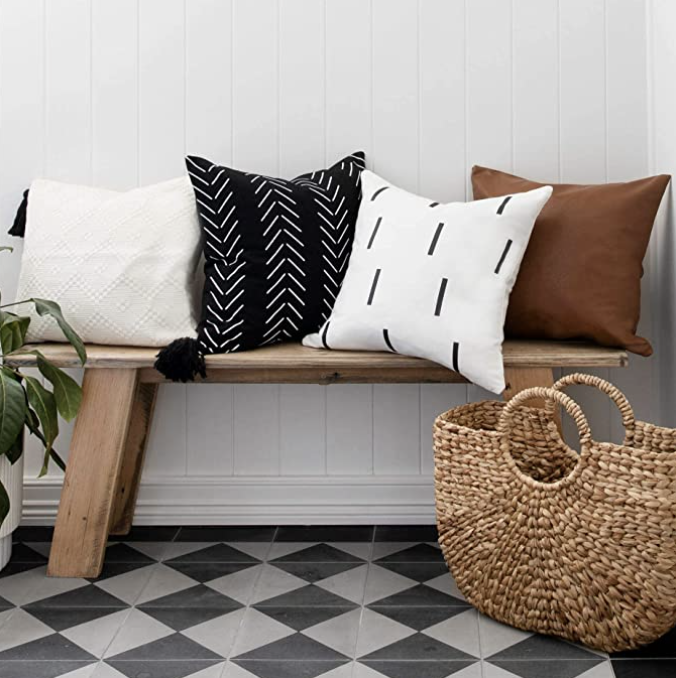
For ottomans at the foot of a bed, two or three coordinating pillows stacked in the center connect the ottoman visually to the rest of the bed’s textile palette without requiring anything more elaborate. The effect is finished and intentional while remaining completely easy to maintain day to day.

Match the Styling to How You Actually Use It

Before settling on a styling approach, think honestly about the many possible uses the ottoman serves in your household. A heavily styled ottoman with a tray and objects is best suited to a piece that functions primarily as a surface or display focal point, used for feet only occasionally. If the ottoman is the primary footrest in a room where people watch television every evening, you want styling that is easy to remove and replace without ceremony.

If the ottoman regularly doubles as extra seating when guests visit, keep the top clear or use only a throw that can be relocated with one move. Nobody should feel guilty about displacing your carefully arranged candles to sit down.

Room-by-Room Approach

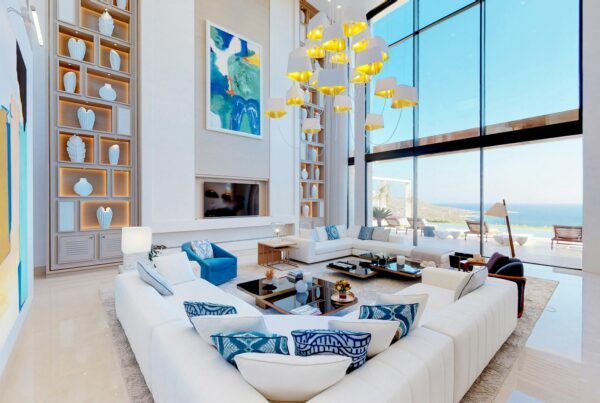
In the living room, the leather ottoman is the hero piece of the seating arrangement. Give it appropriate styling attention: a beautiful contrasting tray, carefully edited objects, a touch of something living, and a throw draped over one end for warmth and texture. Keep the surrounding floor and furniture clear so the ottoman reads as intentional rather than crowded. For reference on how the ottoman fits into a broader living room composition, see our guide on how to arrange two sofas in a living room for strategies on creating seating arrangements where a central ottoman can anchor the whole grouping.

In the bedroom, restraint is your best tool. A neatly folded blanket and one or two pillows that coordinate with your bedding creates an inviting and finished look without pulling attention away from the bed. If the ottoman also functions as a seat for putting on shoes, keep the top completely clear and add a small basket or tray nearby for the items that otherwise accumulate there.

RELATED  What Is An L Shaped Desk? And Should You Get One For Your Office?

In a home office or study, lean into the leather’s inherent authority and warmth. One well-chosen book and a small plant is enough. The leather speaks for itself here and does not need additional decoration to make an impression.

Pair It With the Right Surrounding Furniture

A leather ottoman works hardest when the furniture surrounding it has been arranged with intention. Pair it with a sofa that has clean, relatively simple lines and the ottoman will add softness and grounding to the arrangement. Place it in a room where seating has been positioned for conversation and the ottoman becomes the visual anchor that organizes the whole space.

If you are rethinking your living room layout from the ground up, our article on making a small interior feel larger covers how placement decisions and scale choices interact to affect perceived space, which is directly relevant to where and how an ottoman fits into a tighter room.

For ideas on styling an ottoman across different aesthetics and room types, Better Homes and Gardens has a useful range of visual inspiration worth browsing before committing to an approach.

The Long View on Leather

Leather is a material that rewards long-term ownership. It develops a patina over years of use that many people find more beautiful than new leather. A quality leather ottoman in a well-chosen neutral tone is the kind of piece that survives multiple complete room refreshes and still looks appropriate. It is not fast furniture. It is a long-term investment in how your room looks and how it feels to spend time in.

Style it thoughtfully and it quietly makes the whole room look more considered. Style it carelessly and it just becomes the place where your keys end up every evening. The difference is entirely in the attention you bring to the decisions above, and none of them require significant expense or elaborate effort.

Share Your Own Interior Design Ideas

If you have a distinctive approach to living room styling, leather furniture, or interior design that would resonate with our readers, we would love to hear from you. Our interior design write for us page is open for contributors who bring genuine expertise and a clear editorial voice to their work.

Brooks Manley

Brooks Manley

Brooks is a marketer by trade, but has developed quite the passion for home design since becoming a homeowner in New Orleans. He'll be writing about he and his wife's favorite home decor products as well as simple tips and tricks for creating a home you love.

Leave a Reply