

Last Updated on February 29, 2024
For many people, moving homes can be one of the most exciting times of their lives. It is a change that is often accompanied by major life events, such as a new job, which brings its own excitement. However, for others, it can be a stressful time that they dread.
This can particularly be the case if you need to transport your belongings halfway across the country.
In today’s article, we will explore five of the many aspects that people overlook when moving homes. When these areas aren’t given enough attention, the resulting chaos can be a headache. So, without further delay, let’s get started.
1. Storage
When moving homes, you may not always be blessed with the perfect timeline. It is common to face awkward gaps during which you live in a state of limbo, staying in both your old house and your new one at the same time.
In such situations, finding storage for your belongings can be a lifesaver. Most cities have storage options that can be rented out for as little as $15 – $20. Of course, the bigger the storage capacity, the more you may need to shell out.
Renting storage allows you to protect your belongings and also gives you the opportunity to get organized. Regarding which size to get, a one-bedroom home should be more than fine with a 10-by-10-foot storage unit.
2. Moving Costs
When people think of moving costs, the first thing that comes to mind is the cost of hiring a mover. However, that is only one aspect out of many. Moving costs can come from seemingly anywhere and surprise you.
Even the personal travel costs involved, such as the cost of gas and meals on the way, need to be considered. Similarly, packing materials will also require money.
According to FlatRate Moving, some aspects of moving out may be outside the scope of regular movers. For example, this may include the cost of disassembling any home theater systems or other complex systems.
3. Choosing the Right Moving Company
When embarking on a move, the significance of selecting the right moving company is often underestimated. However, this decision can profoundly impact the entire moving process. A reputable moving company ensures the safe and efficient transport of your belongings, reducing the stress and hassle associated with relocation.
To find one, you can ask for references from friends or neighbors. Alternatively, you can simply search for “Best Movers Heber City” or your nearby location online. But remember, when hiring a moving company, consider factors such as reputation, experience, licensing, insurance coverage, and customer reviews. Conduct thorough research, obtain multiple quotes, and ask pertinent questions to ensure alignment with your specific needs and budget. By investing time and effort in selecting the right moving company, you can enjoy a smoother and more seamless transition to your new home.
4. Outdoor Plants
We tend to pay attention to the things that we can see and overlook anything else. If you own outdoor plants, it is possible to remember them only after you begin unpacking things in your new home.
When taking plants with you, remember to be extra gentle with them. When transporting plants, you want to pay attention to:
- How much space do they have during transport?
- The temperature
- How many plants are you moving?
- Ventilation
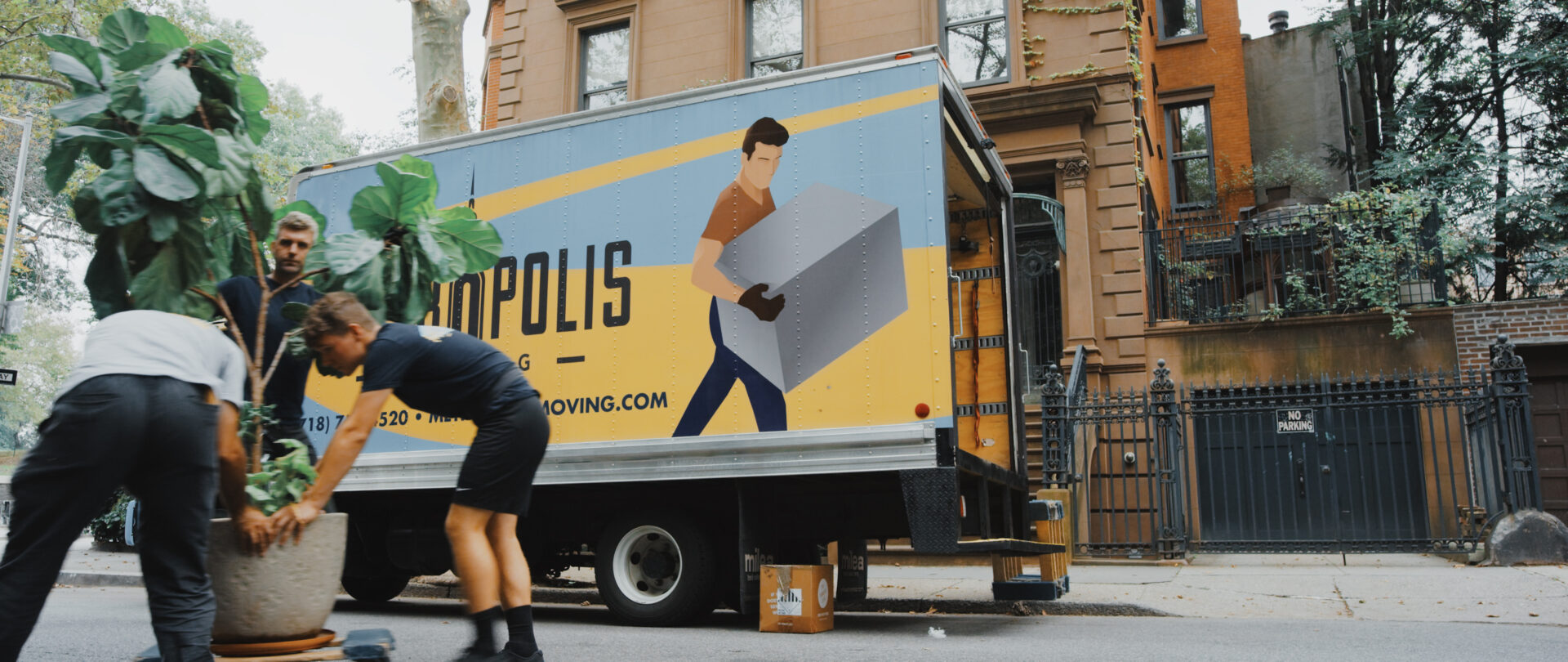
There’s not a lot of packing you can do for them, but ensure that their branches and stems don’t get broken when handled. It might be a good idea to ask your moving company to be extra careful.
Naturally, you may need to pay a little extra for any special attention or transportation requirements that come with moving plants.
5. The Double Rent Nightmare
Experienced movers have been burned by this more than once and quickly learn to schedule departure and arrival dates to avoid double renting.
You can probably guess what double renting means, but essentially, it occurs when there is an overlap between the leases of your old and new home.
At the same time, double renting isn’t always a bad thing. It can help cut down on a lot of stress and give you the time to clean up the old home and even make use of utilities until your new home is fully set up.
6. Saying Goodbyes
This one depends on your situation, but if you have been on friendly terms with your neighbors, remember to say goodbye. In the stress of packing and moving, it is common to forget this simple but kind act.
Your neighbors will be aware that you are moving out and might want to have a conversation before you leave.
They might not want to intrude and initiate the conversation, so it’s a good idea to drop by their place when you are ready.
You never know. Sometimes, your old neighbors can be of great help and inform you of mail that somehow manages to land at your door.
Use a Checklist
Even if you feel like you have a good grasp of things to remember, there’s a high chance you will still forget something. Never underestimate the use of a simple checklist that helps you deal with unexpected responsibilities and surprises.
Remember to stay hydrated, as the constant activity during a move can burn you out quickly. If you have kids and pets, ensure you find ways to keep them occupied and safe.