
Last Updated on June 15, 2023
What homeowner doesn’t want to reduce the cost of home ownership? When a home is more energy-efficient, it saves money, makes the residents more comfortable and increases the resale value of the property. There’s also the satisfaction of doing one’s part to reduce the impact on the environment.
Some upgrades are inexpensive and others are costly, but almost all pay for themselves over time. Here are 10 energy-efficient home improvements that carry a high return on investment (ROI).
1. Energy STAR Appliances
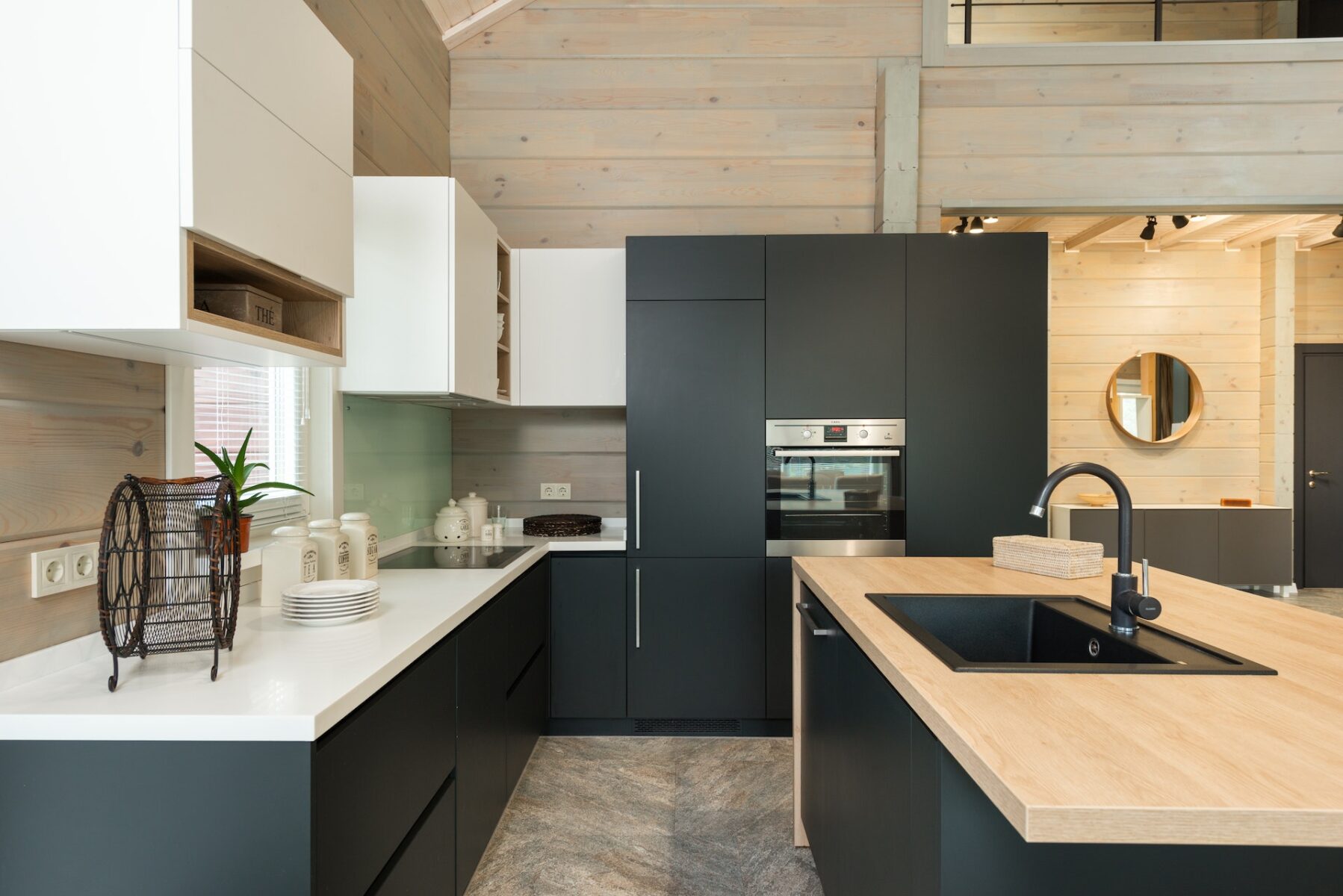
The EPA has tested the energy uses of major appliances and given the ENERGY STAR designation to those that use the least energy. Homeowners may come out ahead by replacing their current appliances, but they’ll definitely enjoy a high ROI by purchasing ENERGY STAR when it’s time for new ones. Best candidates for a payback include dishwashers, washer/dryers, refrigerators and freezers.
2. Programmable and Smart Thermostats
Programmable thermostats have been around for decades. They automatically reduce heat and cooling when not as much is needed. More recent smart thermostats learn how to adjust to the residents’ lifestyle, and they can be controlled remotely through an app. With prices starting around $100, they don’t take long to save energy and yield a payback.
3. Insulation
If the home was insulated when it was built, why add more? As it turns out, newer insulation is more efficient and made of sustainable materials. The biggest payoff is in attics and crawl spaces where insulation prevents heat loss through the roof.
4. Windows
Up to 30 percent of heat and AC is lost through windows, and window technology is improving all the time. Add these two facts, and the case for replacing old windows with new airtight models is strong. If windows are drafty, the increase in comfort is immediate, and the utility bill savings aren’t far behind.
5. Efficient Water Heaters
Conventional water heaters burn energy every time they heat, and the water cools if it isn’t used and has to be heated again. Tankless water heaters provide hot water just-in-time and reduce utility consumption by about a third. They also save space.
Solar water heaters are another option. There’s a big up-front cost, and the ROI calculation is more difficult (as it is with complete solar panel systems). However, once the cost is recovered, heating water is as free as the sunshine.
6. Water-saving Fixtures
These include low-flow showerheads, faucets and toilets. Some showerheads are adjustable, so everyone can set their own preference. They can pay for themselves in a few months.
7. Duct Sealing
The air ventilation ducts leak in most homes. That means heated and cooled air seeping into attics basements and crawl spaces and going to waste. This isn’t a major project, but it’s trickier than it might sound. Duct tape, despite its name, won’t last long at the job. It requires special tape and mastic.
8. Skylights
Skylights bring in natural light and reduce the electricity used for lighting. Also, they’re extremely attractive and increase the home’s value while improving the home’s interior design. Modern ones can be remotely opened to let in fresh air or shuttered to block sunlight on hot days.
9. Efficient Lighting
As much as a third of a home’s electric bill goes to lighting. LED bulbs are cool to the touch, use less electricity and last longer. They not only save money but also trips up and down the ladder to change burned-out bulbs.
10. Ceiling Fans
Ceiling fans are cool, both literally and figuratively. Newer models are virtually noiseless. They circulate air in the house, not only cool air in summer but also warm air in winter. They change direction to push air either up or down. Air conditioning costs dollars where ceiling fans cost pennies.
High-ROI Home Upgrades for Every Homeowner
While some energy-efficient upgrades require a significant up-front outlay, there are many that make barely a dent in the typical budget. Many of these can put extra dollars into a homeowner’s pocket in a matter of months.