
Last Updated on May 28, 2026

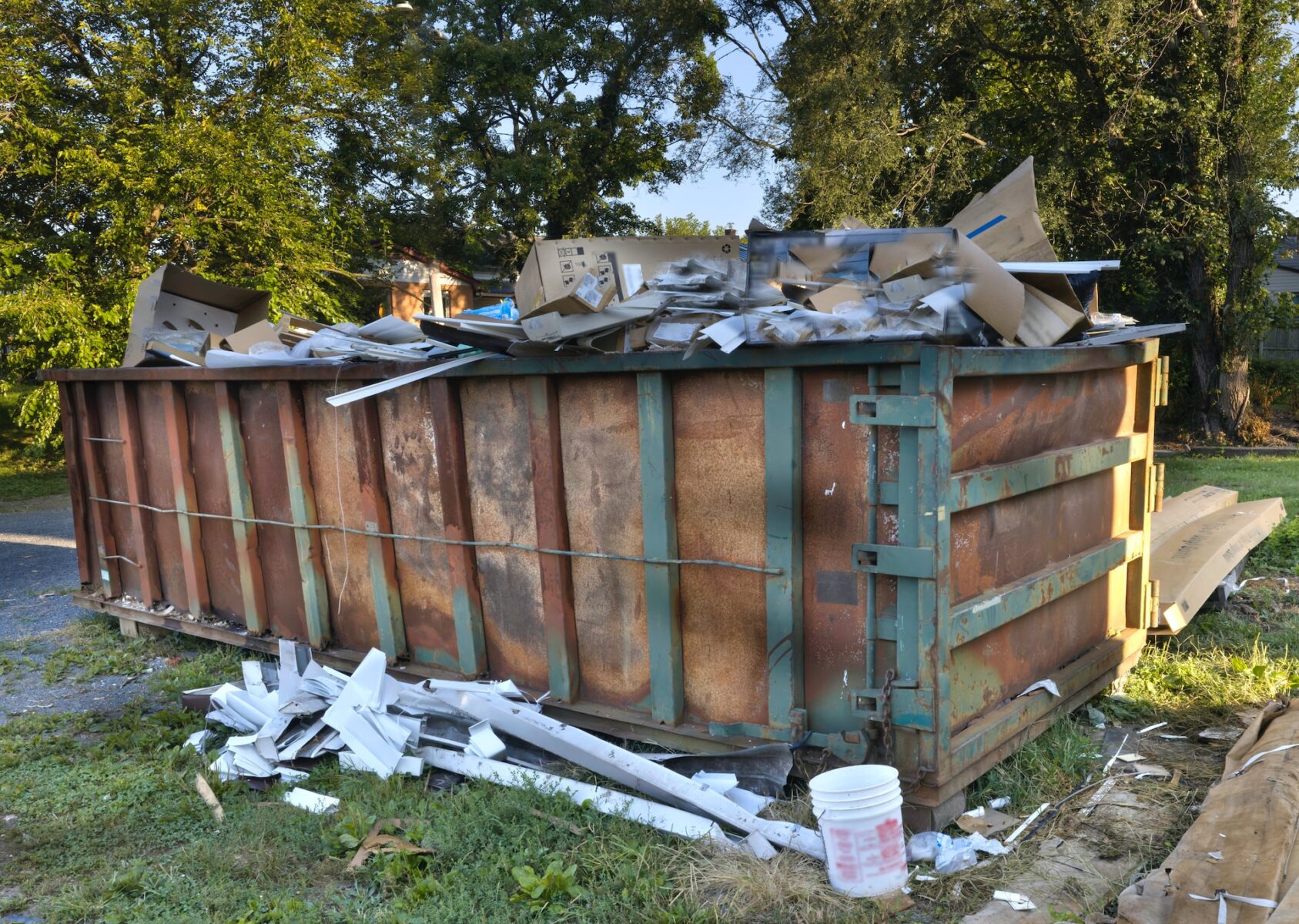
Home renovation and cleanout projects generate waste that most standard garbage collection services simply cannot accommodate. Old cabinetry, broken drywall, roofing shingles, concrete rubble, and years of accumulated items from a major cleanout require a more substantial solution. A dumpster rental provides that solution conveniently and cost-effectively, giving you a dedicated container on-site throughout the duration of your project so that debris removal never becomes the bottleneck slowing down the work itself.

First-time dumpster renters frequently find themselves surprised by aspects of the process they had not considered: the variety of size options available, the permit requirements that some municipalities impose, the weight limits that affect cost, and the list of materials that cannot legally be placed in rental dumpsters. Understanding these factors before you rent saves time, money, and potential headaches. Here is everything you need to know.

Understanding Dumpster Sizes

Dumpster rental companies measure their containers in cubic yards, which is the volume of material the container can hold when level. Common sizes range from 10 to 40 cubic yards, each suited to different project scales. Choosing the right size is important: too small and you will need additional hauls that add cost and inconvenience; too large and you are paying for container capacity you do not use.

A 10-yard dumpster is the smallest option commonly available and holds approximately 10 cubic yards of material. This translates to roughly three pickup truck loads. It is appropriate for small interior cleanouts, minor bathroom updates, or projects generating modest amounts of debris. Dimensions are typically about 12 feet long by 8 feet wide by 3.5 feet tall, making it the most manageable size for residential driveways with limited space.

A 20-yard dumpster is the most popular size for typical home renovation projects. It holds approximately 20 cubic yards of material, or roughly six pickup truck loads. It accommodates projects like kitchen or bathroom renovations, attic or basement cleanouts, small roofing jobs, and similar moderate-scale work. Its size, typically around 22 feet long by 8 feet wide by 4.5 feet tall, fits in most standard driveways.

A 30-yard dumpster handles larger renovation projects, whole-house cleanouts, deck or addition construction, or larger roofing jobs. It holds roughly nine pickup truck loads of material. At approximately 22 feet long by 8 feet wide by 6 feet tall, it requires a driveway or placement area of adequate length and overhead clearance.

A 40-yard dumpster is the largest size available from most rental companies and is typically used for large commercial projects or significant whole-home renovation or demolition work. Most residential projects do not require this size, and its dimensions of approximately 22 feet long by 8 feet wide by 8 feet tall require significant space and sometimes street placement with a permit.

What Can and Cannot Go in a Dumpster

Most general renovation and cleanout waste is acceptable in rental dumpsters: drywall, lumber, flooring materials, furniture, appliances (with some exceptions), carpet, construction debris, and yard waste from landscaping projects. However, a category of materials is strictly prohibited for environmental and safety reasons, and understanding these prohibitions prevents unexpected charges or problems at the end of your rental.

RELATED  Understanding the Role of a Party Wall Surveyor in Essex

Hazardous materials are universally prohibited in rental dumpsters. This includes paint, solvents, motor oil, pesticides, fertilizers, pool chemicals, propane tanks, and aerosol cans. These materials require specialized disposal through hazardous waste programs, which most municipalities offer on a scheduled basis throughout the year.

Asbestos-containing materials require specialized handling and disposal regardless of quantity and cannot go in a standard rental dumpster. If your renovation involves disturbing materials in a home built before 1980, such as floor tiles, ceiling tiles, pipe insulation, or textured drywall compounds, have those materials tested for asbestos before disturbing them. If asbestos is present, engage a licensed abatement contractor to handle the removal and disposal properly.

Electronics are typically not accepted in rental dumpsters because they contain materials requiring specialized recycling. Old televisions, computers, monitors, and printers should be diverted to electronics recycling programs rather than placed in a dumpster. Many municipalities offer free e-waste collection events periodically, and major retailers often accept certain electronics for recycling.

Mattresses and refrigerators are accepted by some rental companies but refused by others, and those that accept them often charge additional fees for the special handling required. Confirm with your rental company specifically before placing these items in the dumpster.

Weight Limits and Overage Charges

Every dumpster rental includes a weight allowance specified in tons in your rental agreement. The weight limit is separate from the volume capacity and represents the maximum weight the rental company’s vehicle can transport legally in a single haul. When the weight of your debris exceeds the included allowance, you are charged an overage fee for each additional ton, and these fees can add meaningfully to your final bill.

Weight limits for typical residential rental sizes run approximately two tons for a 10-yard container, three tons for a 20-yard container, and four tons for a 30-yard container, though these numbers vary by company and region. Dense materials like concrete, brick, tile, and soil reach weight limits quickly even when the container appears partially empty. A 20-yard dumpster filled exclusively with concrete will exceed its weight limit at a fraction of its volume capacity.

If your project involves heavy materials like concrete demolition, tile removal, or significant masonry work, ask your rental company about the most cost-effective approach. Some companies offer specific “heavy debris” containers with higher weight allowances, or price structures better suited to dense material disposal. Getting this information before the dumpster is delivered prevents unpleasant surprise charges when it is collected.

Permit Requirements

When a dumpster must be placed in a public space, such as on a street or in a public parking area, most municipalities require a permit from the local public works department or city hall. Permit requirements, fees, and processing times vary widely by location. Some cities require permits that cost $20 and can be obtained same-day online. Others have longer processing times and higher fees.

RELATED  Building Your Dream Home: A Step-By-Step Journey From Start To Finish

Your rental company will typically advise you on local permit requirements and may offer to handle the permit application on your behalf for an additional fee. If they do not proactively discuss permits, ask specifically about requirements for your intended placement location. Placing a dumpster on a public street without a required permit can result in fines and the mandatory removal of the container, which disrupts your project and potentially adds cost.

Dumpsters placed entirely on private property, such as in a driveway or backyard, typically do not require a permit. Confirm your property lines if placement is near the street edge of your driveway to ensure the container remains on private property.

Choosing the Right Rental Company

Dumpster rental companies vary in the quality of their service, the transparency of their pricing, the condition of their containers, and the promptness of their delivery and pickup. These differences matter because a rental company that fails to deliver when promised, charges fees that were not disclosed in the quote, or provides containers in poor condition creates genuine problems for your project timeline and budget.

Request itemized quotes from at least two or three companies and compare them carefully. The lowest initial quote is not always the best value if it comes with low weight allowances that will result in significant overage charges or if the rental period is shorter than you need. Understand exactly what is included in each quote: the weight allowance, the rental period, any delivery or pickup fees, and how overage charges are calculated.

Read customer reviews for any company you are considering, looking specifically for feedback about pricing transparency, delivery reliability, and how the company handles problems when they arise. A company with consistent positive reviews across these dimensions is worth a modest premium over one with a spotty reputation for communication and service quality.

Placement Logistics

Before the dumpster arrives, take time to plan its placement carefully. The container needs to be positioned where it is accessible for loading from multiple sides, stable on level or near-level ground, and reachable by the delivery truck. Delivery trucks require a clear driving path to reach the placement area and adequate overhead clearance, typically at least 18 feet, for the arm that positions the container.

If the dumpster will sit on your driveway, placing plywood sheets under the container’s contact points protects the driveway surface from the concentrated weight and from the potential scratching caused by the container’s bottom edges. This is particularly important for asphalt driveways, which can be damaged by heavy containers, especially in hot weather when asphalt softens.

RELATED  8 Easy Ways To Add Value To Your Home

Position the dumpster as close as practical to the primary source of debris, whether that is a home entrance, a demolished section of the property, or a specific work area. Every step between the work area and the dumpster represents repeated effort for everyone loading it. A well-positioned dumpster is one that makes debris disposal as easy as possible throughout the project.

Loading Efficiently

Efficient loading maximizes the volume of material you can fit in the rented container and minimizes the likelihood of exceeding the weight limit unnecessarily. Break down large items where possible: dismantled furniture, broken-down cardboard boxes, and deconstructed lumber all pack significantly more efficiently than whole items thrown in haphazardly.

Distribute dense heavy materials at the bottom of the container and layer lighter materials on top. Concentrating heavy material in one area can shift the container’s weight distribution in ways that complicate pickup. Even distribution also creates a more stable load that the driver can transport safely.

For large projects generating significant amounts of both light and heavy debris, consider creating a strategy for what gets loaded at different phases of the project rather than filling the container in no particular order. Pacing the loading ensures that the container is genuinely full, not just at weight limit, before you schedule pickup. Most rental companies charge for a full rental period regardless of how quickly you fill the container, so maximizing the volume loaded per rental is good financial practice.

Rental Period and Extension Policies

Standard dumpster rental periods typically run seven to fourteen days depending on the company. For most residential renovation or cleanout projects, this timeframe is adequate. For longer projects, extensions are usually available for a daily or weekly fee charged beyond the base rental period. Clarify extension policies and costs before signing the rental agreement so you understand exactly what happens if your project runs longer than anticipated.

Scheduling the delivery for a day or two before the heavy work begins, rather than having it arrive on the first day, gives you a small buffer for any project delays that would otherwise leave you holding a dumpster you cannot yet fill. Scheduling the pickup for one to two days after you expect to be done, rather than the day of completion, similarly provides buffer for the inevitable last-minute items that need disposal after you think you are finished.

A well-executed dumpster rental makes large home renovation and cleanout projects genuinely more manageable by keeping the work site organized, eliminating the need for multiple trips to disposal facilities, and ensuring that debris removal never delays the productive work. Understanding the details before you rent ensures that you get exactly the service you need at a cost you anticipated, leaving you free to focus on the renovation itself.

Brooks Manley

Brooks Manley

Brooks is a marketer by trade, but has developed quite the passion for home design since becoming a homeowner in New Orleans. He'll be writing about he and his wife's favorite home decor products as well as simple tips and tricks for creating a home you love.

Leave a Reply