
Last Updated on September 23, 2022
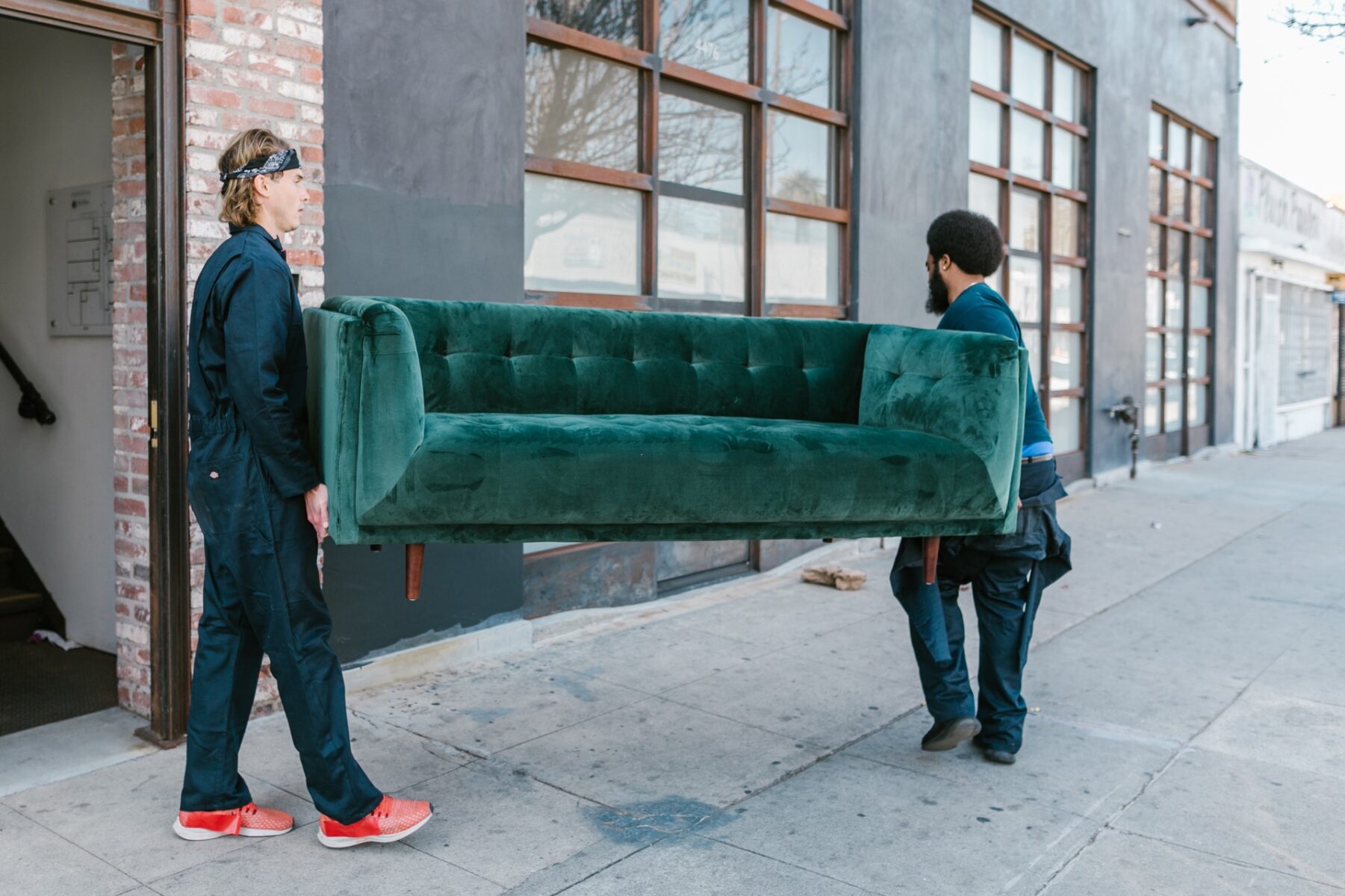
Furniture is heavy and one of the hardest items to relocate. If you are an inexperienced mover, you can easily hurt yourself when moving a table or a sofa. Apart from injuring yourself, you can easily damage the item, your house walls, or floors when moving out or in.
Therefore, you must exercise great care when moving any piece of furniture. Whether you are working alone or you want to hire commercial movers, moving furniture is always a big challenge.
And if you’re moving out, but haven’t found a new home yet – check out the home loans offered by United Home Loan Services if you live in the Southeast.
Fortunately, there are several things you can do to ensure you do not injury yourself, break the item, or damage your old or new house. Below are 9 measures you need to observe when moving furniture.
9 Ways To Relocate Big Furniture
1. Measure First
Before you lift and move the furniture, you need to make sure it can go through the door. Also, if you are moving it downstairs, you need to consider that as well. Your sofa might fit the elevator but it may not go through your door.
Therefore, you need to measure the doorways and the hallways. This will help you know whether the large pieces of furniture will fit your front door. Keep in mind that you might have the same problems when you get to the new home.
2. Disassemble the Furniture
If your big furniture cannot pass your apartment door, the best option is to disassemble it. Moreover, bulky furniture such as lounges and beds are easier to relocate when you disassemble them. Therefore, if you can manage to disassemble the furniture, it is a good idea to do that.
Although it might create an additional job for your, you will be able to move smaller and lighter pieces of furniture, and you will protect the item from any damages. Also, wrap and protect any piece of furniture before loading it to the moving truck.
3. Consider Sliding
If it is possible, consider sliding the furniture instead of lifting them. However, you need to ensure the floorboards and the tiles are well protected. You can use cardboard or towels to protect the floors. Hence, do not strain yourself by pushing big pieces of furniture.
4. Ensure You Protect the Furniture
You need to ensure your furniture pieces are safe when moving them from one area to another. Therefore, make sure you use high-quality packing materials. Also, when loading the furniture to the moving truck, consider other items being packed.
Keep in mind that furniture pieces are bulky and large and can cause damages to other things in the moving truck. So, ensure everything is well packed and properly secured in the truck.
5. Move with Care
Moving heavy items such as furniture pieces should be done with care. This will ensure you do not hurt your back or damage the furniture. If you need help when lifting the items, ask for it.
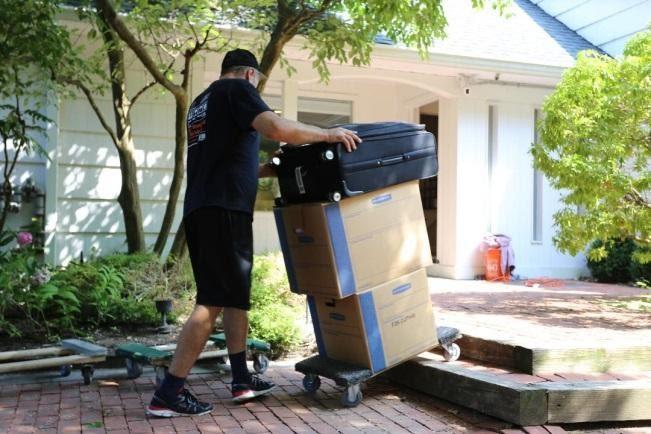
House removals Paddington is one of the most renowned and experienced names in the entire moving industry. They are thorough professionals that will be able to undertake the entire moving process for you.
Also, you must move carefully and slowly to ensure everything goes as planned. Also, communicate with people helping you move to ensure you distribute the weight evenly.
If you can, hire experienced movers to help you move the furniture piece with are. Hiring skilled movers will make sure everything goes on smoothly and you will save time and money.
6. Just Get Rid of Pieces of furniture You Don’t Need
When you have fewer things to move, the moving process becomes stress-free. Moreover, you are likely to be charged less when you have fewer belongings. Therefore, make sure you get rid of furniture you do not need in the new office or house.
You can donate some furniture pieces to an organization or a school. Also, you can make some money by selling some pieces. If you have pieces of furniture that can be sold, organize a garage sale or sell them online.
7. Load and Unload with Care
Loading and unloading furniture is not easy. You need to have enough manpower for the job. Whether they are a few pieces of furniture or your entire office, hiring office movers is the best option. Since they are skilled movers, they will ensure every furniture piece is well loaded and unloaded in the moving truck.
8. Seek Professional Help
Since moving large and bulky furniture is a risky business, seeking help from professional movers is the best option. NYC movers understand the process and know how to lift and move furniture pieces without causing any harm.
They have trained personal who know how to move any kind of furniture. Whether it is a long-distance move or a local one, they can make your moving process a stress-free one.
In addition, they have the right tools to help you disassemble and assemble large furniture. They also use the right packing materials to wrap the furniture and ensure the items are safe throughout the moving process.
9. Have the Right Moving Equipment
If you are planning to move your furniture pieces, you need to have the right tools and equipment. Keep in mind that furniture pieces are heavy and bulky. Thus, you need to be well prepared.
Happily, you can hire some moving equipment and tools. Equipment such as dollies, hand trucks, and others are easily available. But if you engage experienced movers, they have the right equipment and tools for the jobs. They have the tools to disassemble the furniture, move them, and assemble them when you get to your new home.
Final Word
Moving is a complicated process, especially if it is a DIY move. Nevertheless, anyone can manage a DIY move when moving smaller and lighter items. But moving big and bulky furniture pieces is not easy.
If you have never moved big furniture, you will be increasing the risk of hurting yourself or damaging your item. Thus, hiring experienced movers is the best option. They are experienced and have the right tools to relocate large pieces of furniture.
When hiring a professional moving company, ensure the company is reliable, insured, and certified. Also, compare rates from various moving companies to ensure you get the best deal.