
Last Updated on May 28, 2026

There is a quiet understanding among experienced homeowners: the systems you cannot see are often the ones that matter most. Your home’s air conditioning unit rarely demands your attention when it is working correctly. It hums along in the background, keeping rooms comfortable through summer heat, managing humidity levels, and cycling through seasonal transitions without a single complaint. And that silence, that invisible reliability, is precisely what makes it so easy to ignore.

But ignoring your residential AC is one of the most expensive decisions you can make as a homeowner. The consequences range from skyrocketing energy bills to catastrophic equipment failure to genuine health risks for your family. Understanding why consistent attention to your air conditioning system matters changes the way you think about home maintenance. This is not about being anxious or spending money unnecessarily. It is about protecting the investment you have already made and ensuring that your home remains the comfortable, healthy sanctuary it is meant to be.

The Hidden Cost of Neglect

Most homeowners are surprised to learn that a poorly maintained air conditioner can cost them significantly more to operate than one that receives regular care. When filters become clogged with dust and debris, the system has to work harder to pull air through. When coils are dirty, heat exchange becomes inefficient. When refrigerant levels are slightly low, the compressor strains to compensate. Each of these small inefficiencies adds up on your monthly energy bill.

Studies by the U.S. Department of Energy suggest that homeowners can save between 5 and 15 percent on cooling costs simply by keeping their air conditioning system properly maintained. Over a summer, that translates to real money. Over the lifetime of a system, it represents hundreds or even thousands of dollars in savings. The math is straightforward: a small investment in regular maintenance returns significantly more in operational savings.

Beyond energy efficiency, neglected systems fail earlier. A well-maintained central air conditioning unit can last 15 to 20 years. One that is consistently ignored may need replacement after 8 to 10 years. Given that a new central AC system typically costs anywhere from $3,000 to $7,000 installed, protecting your current unit through basic maintenance is one of the most financially sound decisions available to you.

Air Quality Is Not Optional

Your air conditioning system does more than regulate temperature. It also plays a central role in the air quality inside your home. Modern AC units filter out airborne particles, help control humidity levels, and prevent the buildup of allergens, mold spores, and other pollutants that would otherwise circulate freely through your living spaces.

When filters are not changed regularly, they become saturated with the very particles they are meant to capture. At a certain point, the filter not only stops filtering effectively but can actually release trapped particles back into the air. This creates an environment with degraded air quality that can trigger allergies, aggravate asthma, and increase respiratory symptoms for everyone in the household.

Humidity control is another air quality factor that depends directly on your AC system functioning correctly. In humid climates, an air conditioner that is struggling or undersized will fail to adequately dehumidify indoor air. Excessive indoor humidity creates ideal conditions for mold growth, which can begin behind walls, under flooring, and in other areas that are not immediately visible. By the time mold is obvious, it has typically been growing for some time and often requires professional remediation to address safely.

RELATED  Benefits of Fireplaces

Filter Changes: The Simplest Maintenance Task

If there is one air conditioning maintenance task that offers the most value for the least effort, it is changing your air filter regularly. Most residential AC systems use filters that should be replaced every 30 to 90 days, depending on factors like the filter’s MERV rating, whether you have pets, and how much dust your home generates.

A fresh filter allows air to flow freely through the system, protecting the blower motor and evaporator coil from dust accumulation while simultaneously improving indoor air quality. A dirty filter restricts airflow, causing the system to work harder, consume more energy, and accumulate damage over time. Replacing a filter takes about two minutes and costs between $5 and $30. The cost of ignoring it can run into thousands of dollars in repairs or early system replacement.

Set a phone reminder for filter changes if you have trouble remembering. Some smart thermostats track filter usage and alert you when a change is due. Whatever system helps you stay consistent is worth implementing. This one task alone has a meaningful impact on your AC system’s longevity and performance.

Annual Professional Inspections

While there is plenty you can do yourself as a homeowner, some air conditioning maintenance requires professional tools and expertise. A qualified HVAC technician performing an annual inspection will check refrigerant levels, inspect and clean the evaporator and condenser coils, test the capacitor and contactor, lubricate moving parts, check electrical connections, calibrate the thermostat, and assess overall system performance.

The ideal time for an annual inspection is spring, before cooling season begins in earnest. This allows any identified issues to be addressed before you are depending on the system during the hottest part of the year. Finding a minor refrigerant leak or a capacitor approaching failure in April is dramatically less stressful than discovering either problem on a sweltering August afternoon.

Many HVAC companies offer annual maintenance plans that include an inspection visit, priority scheduling, and discounted repair rates. For homeowners who want to minimize the hassle of remembering annual service, these plans can be excellent value. They also mean you have an established relationship with a technician who knows your system, which makes diagnosing future problems easier and faster.

Cleaning the Outdoor Unit

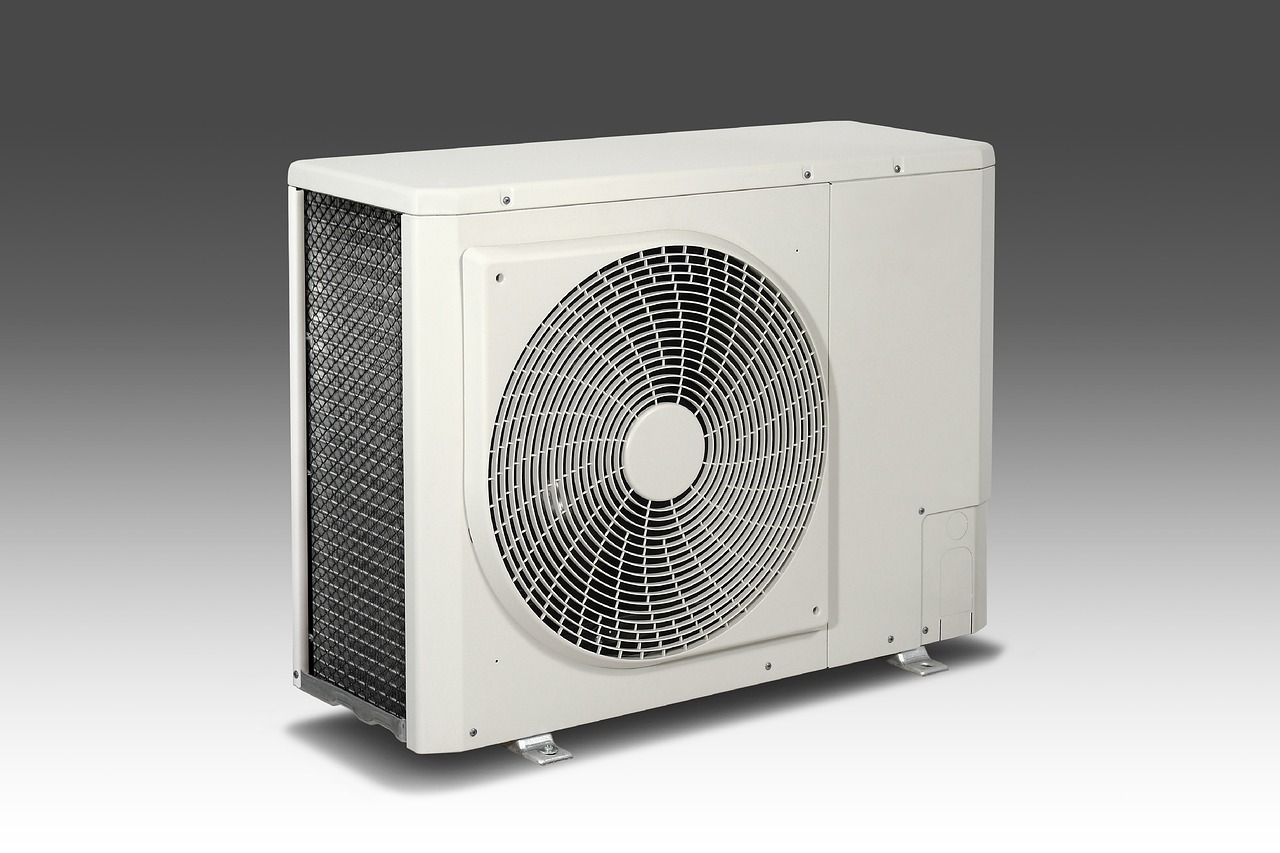
The outdoor condenser unit is the workhorse of your air conditioning system, and it operates in conditions that guarantee accumulation of leaves, grass clippings, dirt, and other debris. When this debris builds up against the unit and inside its housing, airflow is restricted and the coils cannot dissipate heat efficiently. The result is a system that works harder than necessary and wears out faster.

RELATED  AC Installations For Brisbane Homes

Keeping the area around your outdoor unit clear is a simple task you can handle yourself. Remove any debris that has accumulated around the unit, trim back any vegetation that has grown within two feet of the unit, and gently rinse the exterior of the unit with a garden hose to clear dust and grime from the fins. Avoid pressure washing, which can damage the delicate aluminum fins.

At the end of cooling season, some homeowners cover their outdoor unit to protect it from winter debris. This is optional and comes with trade-offs: a cover prevents debris accumulation but also creates an attractive shelter for rodents. If you do cover the unit, check it before spring startup and remove the cover completely before turning the system on.

Thermostat and Smart Home Integration

One of the most impactful upgrades available to homeowners with older thermostats is switching to a smart or programmable thermostat. These devices allow you to create cooling schedules that match your actual patterns of activity in the home, reducing the energy consumed while you are away or asleep without sacrificing comfort when you are present.

Smart thermostats go further, learning your preferences over time, adjusting to local weather forecasts, and providing detailed energy usage reports through companion apps. Some models can even detect when the house is empty using geofencing and adjust temperatures automatically. The Amazon Smart Thermostat is a budget-friendly option that brings programmable control and Alexa integration to any home, making it easy to stop cooling an empty house without thinking about it.

The combination of a smart thermostat and a well-maintained AC system creates a genuinely efficient home cooling setup. The system runs better because it is cared for, and the thermostat ensures it runs only when needed. Together they produce a meaningful reduction in energy costs without requiring any sacrifice in comfort.

Warning Signs You Should Never Ignore

Your air conditioning system communicates. When something is wrong, it tends to express that through observable changes in behavior, sound, or output. Recognizing these signals and acting on them promptly is the difference between a minor repair and a major replacement.

Warm air coming from your vents when the system is set to cool suggests either a refrigerant issue or a compressor problem, both of which require professional attention. Reduced airflow from vents may indicate a dirty filter, a blocked duct, or a failing blower motor. Unusual sounds, including grinding, squealing, banging, or clicking during startup or operation, signal mechanical problems that will worsen if left unaddressed. Ice formation on the evaporator coil or refrigerant lines indicates restricted airflow or low refrigerant, both of which can cause serious damage if the system continues to run.

Unpleasant odors coming from your vents can indicate mold growth in the ductwork or on the evaporator coil, or in more serious cases, electrical issues causing components to overheat. A burning smell should prompt you to turn the system off immediately and call for service. A musty smell warrants prompt inspection but does not necessarily require an emergency call.

Water pooling around your indoor air handler is another sign worth addressing quickly. While some condensation is normal, excessive pooling suggests either a clogged condensate drain line or a refrigerant issue. A clogged drain line is typically a simple and inexpensive fix. A refrigerant issue requires professional diagnosis and repair.

RELATED  Backup Power Solutions: Ensuring Uninterrupted Heating amid Electrical Outages

Ductwork: The Invisible Infrastructure

Even a perfectly maintained air conditioning system will underperform if your ductwork is compromised. Leaking ducts can lose 20 to 30 percent of conditioned air before it ever reaches your living spaces. This means your AC is working significantly harder and consuming more energy to produce less comfort.

Signs of ductwork issues include rooms that never reach a comfortable temperature despite adequate thermostat settings, visible dust accumulation near vents, whistling sounds when the system runs, and unexplained spikes in energy consumption. A professional HVAC technician can perform a duct leakage test to quantify the issue and recommend appropriate solutions, which may include sealing accessible duct joints or, in severe cases, duct replacement.

Proper duct insulation is also important, particularly for ducts that run through unconditioned spaces like attics or crawl spaces. Uninsulated ducts in hot attics can absorb heat and significantly reduce the efficiency of your cooling system even when the ducts themselves are perfectly sealed.

Preparing for Seasonal Transitions

Most homeowners focus on their air conditioning during summer, when it is running constantly. But seasonal transitions, specifically the shift from cooling to heating and back again, are important moments in your system’s annual cycle. Taking a few proactive steps at each transition can protect both your AC and your heating system.

At the end of cooling season, schedule a brief inspection of the system, clean or replace the filter, clear debris from around the outdoor unit, and check that the condensate drain line is clear. When spring arrives and you are preparing to restart the system, test it on a mild day rather than waiting for the first heat wave. This gives you time to identify and address any issues that developed over the winter months before you are relying on the system for daily comfort.

The Bigger Picture

Your residential air conditioning system is not just an appliance. It is a major component of your home’s infrastructure, one that contributes to comfort, health, air quality, and the overall value of your property. Buyers shopping for homes pay attention to the age and condition of HVAC systems. A well-maintained system with documented service history is a genuine selling point. A neglected system requiring imminent replacement is a point of negotiation that reduces your selling price.

Taking air conditioning maintenance seriously is not about being obsessive or spending money for its own sake. It is about understanding that the systems maintaining your home’s quality of life deserve consistent, informed attention. A little care applied regularly prevents the kind of deferred maintenance that eventually demands a large, urgent expenditure at the worst possible time.

Your AC keeps your family comfortable through the worst of summer. Returning the favor with regular maintenance, prompt attention to warning signs, and periodic professional inspections is simply good stewardship of a home you care about.

Tia

Tia

Tia is a marketing strategist who seamlessly blends her professional expertise with her personal passions. With a green thumb and an inherent love for all things related to home decor, she brings a unique perspective to her work and finds joy in cultivating both plants and creative design ideas.

Leave a Reply