
Last Updated on May 3, 2026

A small bathroom does not have to feel cramped or compromise on comfort. With the right improvements, even the tightest bathroom footprint can become a well-organized, good-looking space that works harder than its square footage suggests. Here are the most practical upgrades you can make to a small bathroom, from simple swaps to full-scale changes that transform how the room feels.

Install a Space-Saving Vertical Radiator

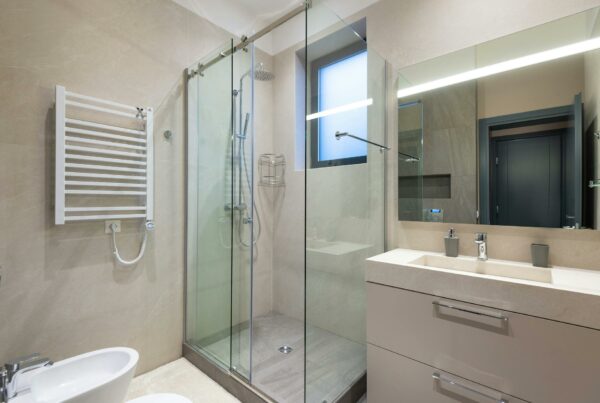
Heating a small bathroom without eating into your limited wall space is easier than most people expect. A vertical column radiator runs tall instead of wide, fitting neatly on narrow wall sections that a standard radiator would not reach. You get the same heating output in a fraction of the footprint.

Many vertical radiators come with a built-in towel rail, so damp towels dry properly between uses rather than staying on a hook and adding moisture to a small space. Choose a chrome or matte-white finish to keep the look clean and contemporary. In terms of placement, the wall beside the door or adjacent to the vanity is usually the most efficient spot without blocking anything useful.

Switch to a Corner Bathtub

If your small bathroom still has a full-size tub running along one wall, it is likely eating the most floor space of anything in the room. One of the smartest fixes is switching to a corner bathtub. Corner tubs occupy the angled dead space that rarely gets used for anything else, freeing up the center of the room and making traffic flow significantly easier.

Before ordering one, measure carefully and check your plumbing access. Corner tubs require the drain to be in the right position, and some configurations may need a plumber to relocate pipework. Get the dimensions mapped on the floor with painter’s tape before committing to a purchase. The reward is a bathroom that feels notably more open even though you have added a tub rather than removed one.

RELATED  5 Things To Consider When Looking ForA New Plumber

Convert to a Wet Room

If your bathroom is genuinely tiny, the most dramatic improvement is rethinking the layout entirely. A wet room replaces the traditional shower enclosure or tub with a fully waterproofed open shower area, draining from a floor-level channel. There is no shower tray, no glass door to open, and no enclosure eating into the room.

Wet rooms work especially well in bathrooms under 50 square feet. They are also excellent for accessibility, making the space much easier for elderly family members or anyone with mobility considerations. The tradeoff is that everything in the room gets splashed when the shower runs, so all surfaces need to be water-resistant. Proper waterproofing and drainage installation is essential, and the project requires a qualified tiler and plumber to do it right.

Maximize Vertical Storage

Small bathrooms run out of horizontal surface space fast. The solution is building up rather than out. Tall, narrow bathroom cabinets that run from floor to ceiling use the full height of the room while keeping a slim footprint. A cabinet just 8 to 10 inches deep can hold a surprising amount: towels, toiletries, cleaning supplies, and spare products.

Over-toilet shelving is another vertical storage option that uses space that is otherwise completely wasted. Open shelves above the toilet can hold folded towels and decorative items, while a closed cabinet keeps clutter out of sight. For the shower itself, a recessed wall niche built into the tile work during installation is the cleanest solution because it adds storage without sticking anything out into the shower space.

Upgrade to a Floating Vanity or Wall-Mounted Sink

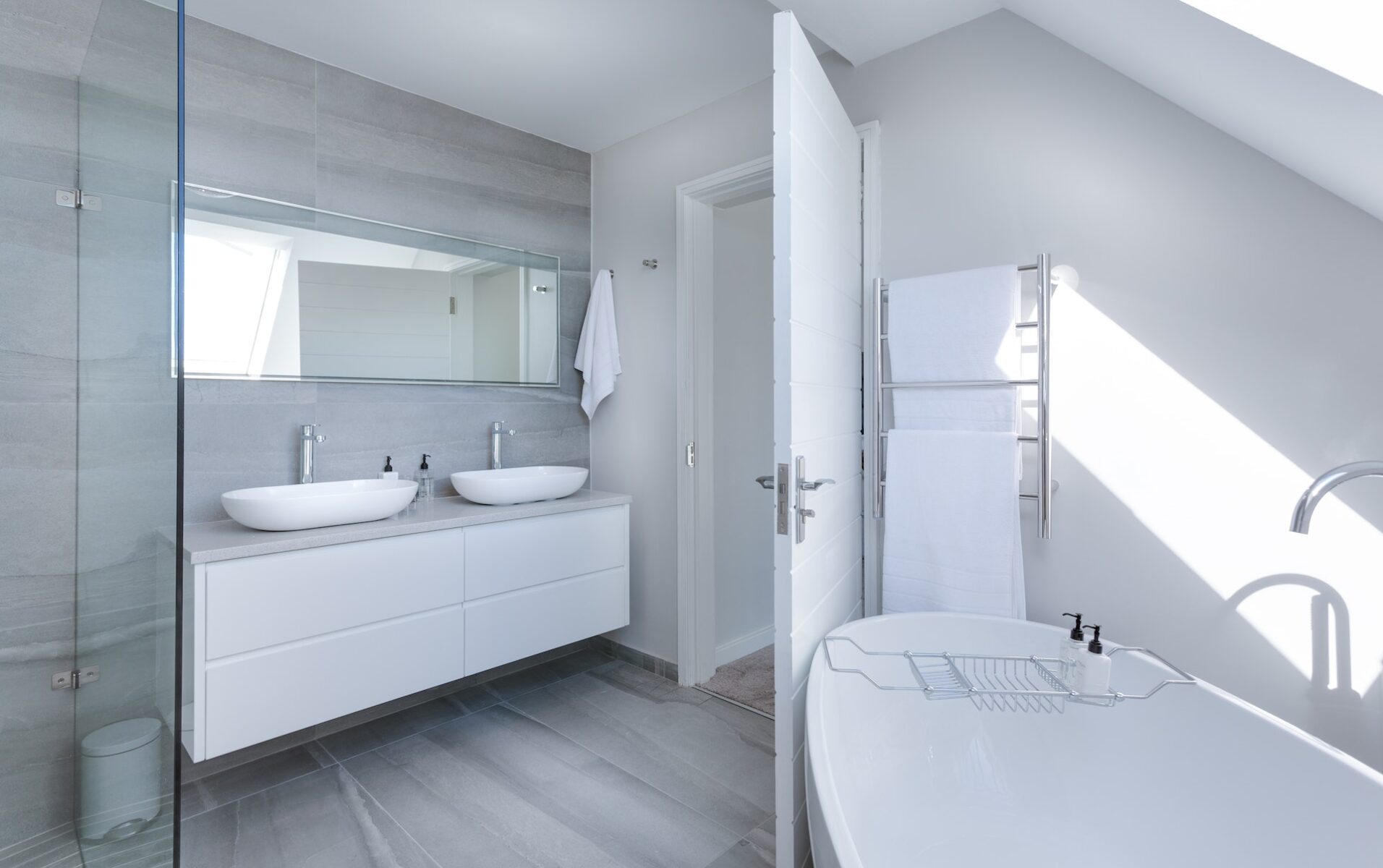
One of the single most effective changes in a small bathroom is getting the vanity off the floor. A floating vanity or wall-mounted sink creates visible floor space underneath, which makes the room look wider and easier to clean. Even a few inches of visible floor dramatically changes how open a bathroom feels.

RELATED  15 Best Amazon Bathroom Organizers Under $35 That Actually Work

If you need storage, look for floating bathroom vanities with built-in drawers or cabinet space underneath. These give you the visual lift of a wall-mounted sink while keeping your toiletries organized. Choose a light-colored finish (white, pale gray, or natural wood) to keep the vanity from visually shrinking the room.

Replace Your Shower Curtain With a Glass Door or Panel

A shower curtain creates a visual break in a small bathroom, making it feel divided and smaller than it is. Swapping it for a clear glass shower door or a half-height glass panel removes that barrier and lets the eye travel across the whole room in one sweep. The result is a space that immediately feels bigger without physically changing any dimensions.

Frameless glass panels are the most open-looking option. Framed glass doors are more affordable and still a significant visual upgrade over a curtain. If your shower is walk-in style, a single hinged or sliding glass door keeps water contained without boxing in the space.

Improve the Lighting

Poor lighting in a small bathroom creates a cave effect that no amount of renovation can fix. Recessed ceiling lights eliminate the clunky overhead fixture that eats visual headroom. Adding a backlit mirror or sconces flanking the mirror brings task lighting to face level, which is better for grooming and significantly brighter feeling than a single ceiling bulb.

LED strip lighting under a floating vanity adds a soft glow that makes the floor space feel even larger. Warm white LEDs (2700K to 3000K) keep the room feeling relaxed rather than clinical. If natural light is available, a frosted-glass window or skylight is the single best thing you can add for an airy, open feeling.

Choose Light Colors and Large-Format Tiles

Color and tile choice have an outsized effect in small spaces. Light wall colors (soft white, pale gray, warm cream) reflect light and visually push the walls back. Dark colors do the opposite, making walls feel closer.

RELATED  What Is a Wax Ring Is And How To Replace It

For tiles, counterintuitively, large-format tiles make small bathrooms look bigger, not smaller. Fewer grout lines mean less visual interruption, and the eye reads the surface as more continuous and expansive. A 12×24 inch or 24×24 inch tile on the floor and walls creates a clean, modern look that reads as spacious. Keep the floor and wall tile in the same color family to further reduce visual breaks.

Add a Large Mirror

Mirrors double the perceived depth of any room. In a small bathroom, a large mirror running the full width of the vanity wall is one of the cheapest high-impact upgrades available. If budget allows, a floor-to-ceiling mirror panel on one wall can make a tight bathroom feel genuinely twice as large.

Mirrored medicine cabinets combine storage with reflective surface area, solving two problems at once. Choose a recessed version for the most seamless look, or a surface-mount model if the wall structure does not allow for a recess.

The Bottom Line

A small bathroom does not need a full gut renovation to feel significantly better. Start with the changes that give the most visual impact for the least disruption: a floating vanity, better lighting, and a glass shower panel. Then layer in storage solutions and layout changes as budget allows. Each upgrade compounds, and within a few rounds of improvements you will have a bathroom that feels purpose-built rather than an afterthought.

For more ideas on refreshing your bathroom without a full renovation, see our guide to budget-friendly bathroom renovation ideas and our roundup of the best bathroom makeover ideas for any budget.

Want to share your bathroom design expertise? Our bathroom write-for-us page is open for guest contributors.

Brooks Manley

Brooks Manley

Brooks is a marketer by trade, but has developed quite the passion for home design since becoming a homeowner in New Orleans. He'll be writing about he and his wife's favorite home decor products as well as simple tips and tricks for creating a home you love.

Leave a Reply