
Last Updated on May 28, 2026

There’s something uniquely energizing about spring that affects interiors as much as gardens. After months of closed windows, heavier textiles, and the visual weight of winter, the arrival of longer days and softer air creates an almost irresistible impulse to refresh — to lighten, brighten, and reorganize the spaces we inhabit. Spring home decor is about more than aesthetics; it’s about responding intuitively to a seasonal shift that changes how we want to live in our homes.

The most compelling spring decor trends right now move in a clear direction: toward nature, toward softness, toward color that feels alive rather than calculated. These are the directions worth paying attention to as you think about refreshing your space for the season.

Nature as the Primary Design Reference

Biophilic design — the deliberate incorporation of natural elements, patterns, and references into interior spaces — has become one of the most durable and influential ideas in contemporary home decor, and spring is its natural high season. When everything outside is blooming, unfurling, and awakening, the desire to bring that energy inside intensifies.

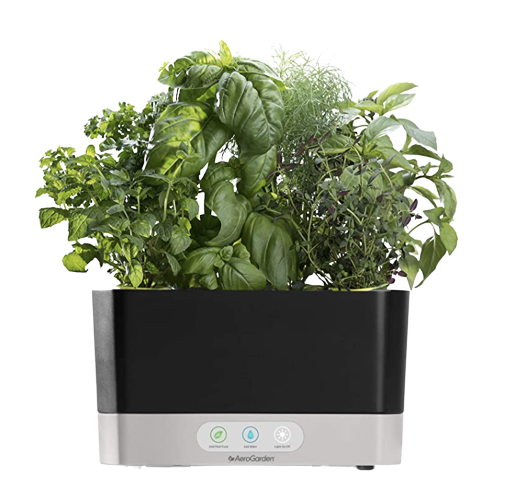
The most immediate expression of this instinct is fresh botanicals. But beyond the simple addition of flowers — though fresh flowers are always wonderful — spring biophilic decor is about creating interiors that feel organically connected to the natural world in more sustained ways. Potted plants of genuine character and scale: a large fiddle-leaf fig in a kitchen corner, a trailing pothos cascading from a high shelf in a home office, a collection of sculptural succulents on a dining table as a centerpiece replacement for heavier decorative objects.

Botanical prints have returned to wall art in a significant way, and the current iteration feels fresh rather than traditional. Large-scale single-stem studies — a single peony, a dramatic magnolia branch, an oversized fern frond printed in a slightly muted, not-quite-photographic palette — are appearing in both bedroom and living room contexts and creating a sense of verdant abundance that complements actual plants rather than simply substituting for them.

Natural materials are the foundation of a genuinely spring-feeling interior. Rattan furniture with its visible woven structure, linen upholstery with its characteristic texture and slight irregularity, jute or seagrass rugs, unglazed ceramic vases with a handmade quality — these materials carry an inherent connection to the natural world that manufactured materials simply don’t. For spring, these elements move from background to foreground, styled with intention against lighter backgrounds and complemented by fresh botanical elements.

Color: Soft, Alive, and Surprising

Spring color for interiors isn’t about pastels in the saccharine Easter-basket sense. The most sophisticated spring color moments are nuanced — colors with life and depth rather than washed-out sweetness. Think the exact green of a young leaf rather than mint. The warm yellow of early daffodils rather than primary yellow. The particular blue-green of irises at peak bloom rather than turquoise.

These nature-derived colors have a specificity and richness that catalog pastels lack, and they work in interiors in far more sophisticated ways. Sage green has been the interior design color story of recent years, and it shows no signs of retiring because it does something remarkable: it reads as neutral while remaining unmistakably alive. A sage green sofa, a sage linen curtain, sage kitchen cabinets — all create spaces that feel both calm and verdant in a combination that’s genuinely lovely.

RELATED  From Empty Space to Dream Home: Transforming Your New Place with Interior Design

Warm, peachy terracotta and clay tones are particularly compelling in spring because of their relationship to earth and garden — they’re literally the colors of garden soil, terracotta pots, and the warm clay tiles of Mediterranean gardens. Used as paint colors on an accent wall, as the finish of handmade ceramic objects, or in the warm terracotta tones of a kilim or flat-weave rug, these colors bring organic warmth that lightens rather than darkens a space.

Unexpected color on a single surface or piece of furniture has become a distinctive approach in spring decor. Rather than committing an entire room to a new color, one piece — a chair in a vibrant chartreuse velvet, a side table painted in a deep sky blue, a credenza refinished in a saturated forest green — becomes the moment of spring expressiveness in a room that’s otherwise neutral and settled. This approach allows experimentation without the permanence and expense of a full room repaint.

Textiles: The Seasonal Shift That Makes the Most Difference

If you do nothing else to your home this spring, swapping out your heavy winter textiles for lighter, breezier alternatives will transform how your spaces feel. This single change — replacing heavy wool throws and velvet pillows with linen, cotton, and natural fiber alternatives — has an immediate and profound effect on the atmosphere of a room that’s out of proportion to its simplicity.

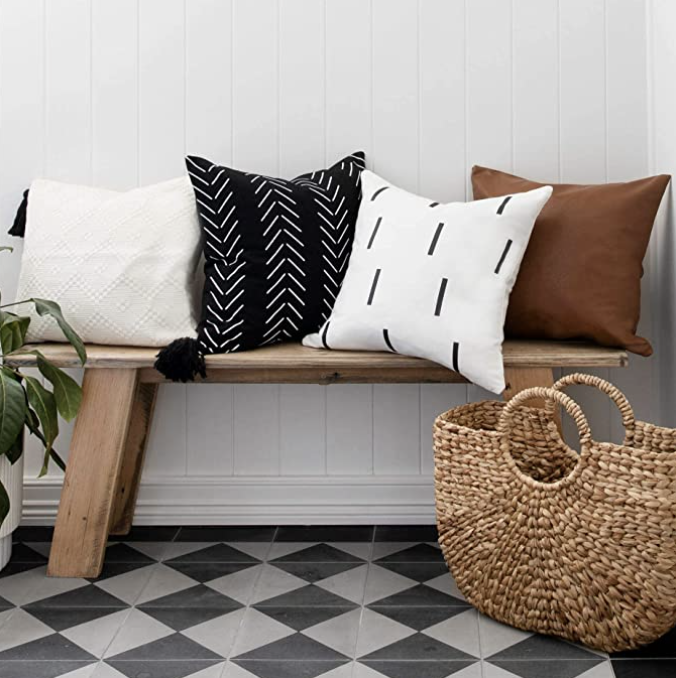
Linen throw pillows in natural tones, soft white, or pale sage replace the deeper winter colors that felt cozy in December and oppressive by April. Linen duvet covers or cotton coverlets replace the heavy comforters that made sense when heating the house was a priority. A lightweight cotton blanket draped over a sofa arm replaces the chunky knit throw that spent winter doing actual thermal work. Each of these swaps individually is modest; together they shift a room from winter weight to spring lightness in a way that genuinely affects how the space feels to be in.

Curtains and window treatments are part of this textile shift. Heavy blackout curtains or thermal drapes that kept winter cold at bay can be replaced or supplemented with sheer panels that admit and diffuse the longer, brighter spring light. Sheer linen panels in natural or white tones are the seasonal staple because they simultaneously let light in, maintain privacy, and move beautifully in a spring breeze from an open window — a combined sensory effect that is quintessentially spring.

Declutter and Lighten: The Structural Work of Spring Refresh

Before adding anything new, the most transformative spring refresh often involves removing. Winter decor accumulates — extra blankets on every surface, seasonal decorative objects, heavier accessories that felt right in January — and simply editing it down creates an immediate sense of airiness and possibility that addition alone can’t achieve.

RELATED  Living Room Design Help: Functional Layouts

The seasonal edit is an opportunity to put winter-specific items into storage (vacuum-seal bags for textiles, labeled bins for seasonal decor), clear surfaces that have accumulated objects through the winter, and reassess whether every decorative item in a room is genuinely earning its place. Surfaces that are too full feel heavy and static; surfaces with thoughtful spacing feel light and curated. This is the editing work that interior designers do constantly and that creates the sense of intentionality that distinguishes a truly well-designed space from one that’s simply filled with attractive objects.

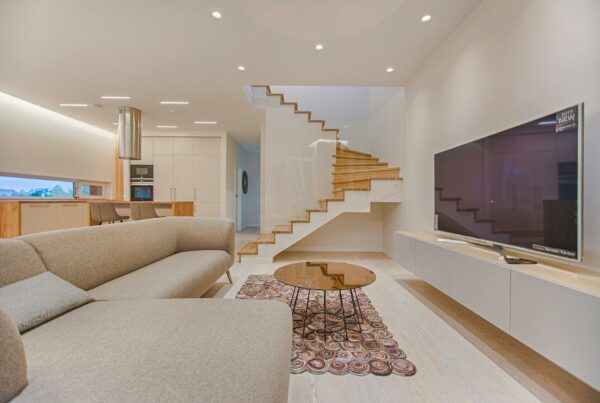
Furniture arrangement is worth reconsidering in spring as well. Winter arrangements often cluster furniture toward heat sources and toward views of televisions or fireplaces — toward interior focused comfort. Spring arrangements can open furniture groupings toward windows, toward outdoor views, and toward the lighter perimeter of a room where the quality of light is most dynamic. Turning a sofa to face a garden view rather than the television is a radical rearrangement that costs nothing and completely changes how a room feels to inhabit.

Bringing the Garden Inside

Fresh flowers are one of the simplest, most reliably effective spring decor investments available, and yet they’re underused in many homes because they feel like an indulgence. The shift in perspective that treats weekly fresh flowers as a standard household budget line — not a special occasion luxury — changes how a home feels on a continuous basis.

The arrangement doesn’t need to be elaborate or formal. A single variety in generous quantity often creates more visual impact than a mixed arrangement. A mass of white tulips in a simple glass vase. A cluster of garden roses in a terracotta pot. An armful of flowering branches from a forsythia or cherry tree in a tall vessel. These simple gestures introduce life, color, and fragrance in a way that transforms a room’s atmosphere immediately and completely.

For those who grow their own spring bulbs and perennials, cutting from the garden to fill indoor vases creates a connection between interior and exterior that is one of the great pleasures of gardening. Even the act of arranging a few stems from the garden in a kitchen jar changes how the space feels. The flowers that last only a few days inside have done their design work entirely in that brief period.

Potted bulbs — forced hyacinths, paperwhites, amaryllis, and miniature daffodils — provide the fragrance and color of spring flowers with a longer display period than cut flowers and can be purchased or grown at very modest cost. A cluster of blooming hyacinths on a kitchen windowsill perfumes an entire floor of a house with an incomparably spring scent that no candle or diffuser quite captures.

Updating Art and Objects

Art and decorative objects have a seasonal quality that’s easy to overlook. A landscape painting that felt serene in winter may feel static in spring, while a botanical study or garden scene that seemed too on-the-nose in January reads as perfectly calibrated in April. Rotating the art you display seasonally — drawing from storage or from other rooms, not necessarily buying new — is an inexpensive way to give walls fresh energy.

RELATED  The Future of Interior Design: Exploring 3D Furniture Visualization Technology

Decorative objects respond similarly to seasonal rotation. Ceramics in warmer tones, vases in green or blue-green glazes, handmade pottery with organic forms — these objects read differently against freshened rooms with lighter textiles and spring botanicals than they did against the heavier winter palette. Sometimes the same objects in a cleared, lightened room feel completely new simply by virtue of having more room to breathe.

For specific new objects that carry spring energy, handmade ceramic vessels in organic forms and earthy glazes are the current standout category in decorative objects. The imperfect, hand-formed quality of studio ceramics has a connection to natural processes that machine-made objects lack, and the range of sizes from small bud vases to large floor vessels allows them to work throughout the house. A single beautiful handmade vase, even one purchased modestly, can become a lasting favorite that anchors seasonal styling for years.

Outdoor Spaces as Extensions of the Spring Interior

Spring is when outdoor living spaces wake up, and the transition should extend the interior’s seasonal refresh outward rather than treating inside and outside as separate worlds. A consistent visual language — the same color references, similar material choices, a connected sense of scale and proportion — creates the feeling of expanded living space that the season makes possible.

Outdoor textiles have advanced considerably and now include performance fabrics in linen-like weaves and textures that coordinate visually with indoor textiles while being fully weather-resistant. Cushions, throws, and outdoor rugs in colors that relate to the indoor palette extend the seasonal color story outside in a cohesive way. Fresh potted plants at the transition between inside and outside — at the back door, on the threshold between inside and patio — physically and visually connect the two spaces.

Cleaning and refreshing outdoor furniture, repainting or oiling a worn garden gate, adding fresh gravel or mulch to garden beds that edge the terrace — these maintenance tasks combined with the addition of spring plants and fresh outdoor textiles transform the outdoor living space with the same seasonal reset energy applied to the interior. A clean, well-maintained outdoor space with blooming plants and comfortable, attractive furniture is an extension of your home’s spring spirit that you’ll use and appreciate through all the season’s most enjoyable days.

A high-quality indoor plant collection starter set is a straightforward way to begin building the botanical abundance that makes spring interiors feel genuinely alive, and the plants that thrive indoors in spring provide a lasting foundation for year-round biophilic styling throughout the home.

Tia

Tia

Tia is a marketing strategist who seamlessly blends her professional expertise with her personal passions. With a green thumb and an inherent love for all things related to home decor, she brings a unique perspective to her work and finds joy in cultivating both plants and creative design ideas.

Leave a Reply