
Last Updated on December 12, 2023
Decorating a living room can feel overwhelming with so many layout options and styles to consider.
This comprehensive guide provides expert living room design help including smart layout ideas, space maximizing tips, and budget-friendly solutions to create a functional yet fabulous living area.
You’ll discover practical advice on everything from choosing the right furniture and decor for small spaces to executing a decorating plan step-by-step for stunning results.
Embarking on Your Living Room Transformation
Transforming your living room into a stylish and functional space may seem daunting, but it doesn’t have to be! With some practical design help, you can create a layout tailored to your needs.
When embarking on a living room makeover, first take stock of the space. Consider the room’s dimensions, window placement, traffic flow, and how you want to use the area. Snap some photos from multiple angles so you can refer back to them.
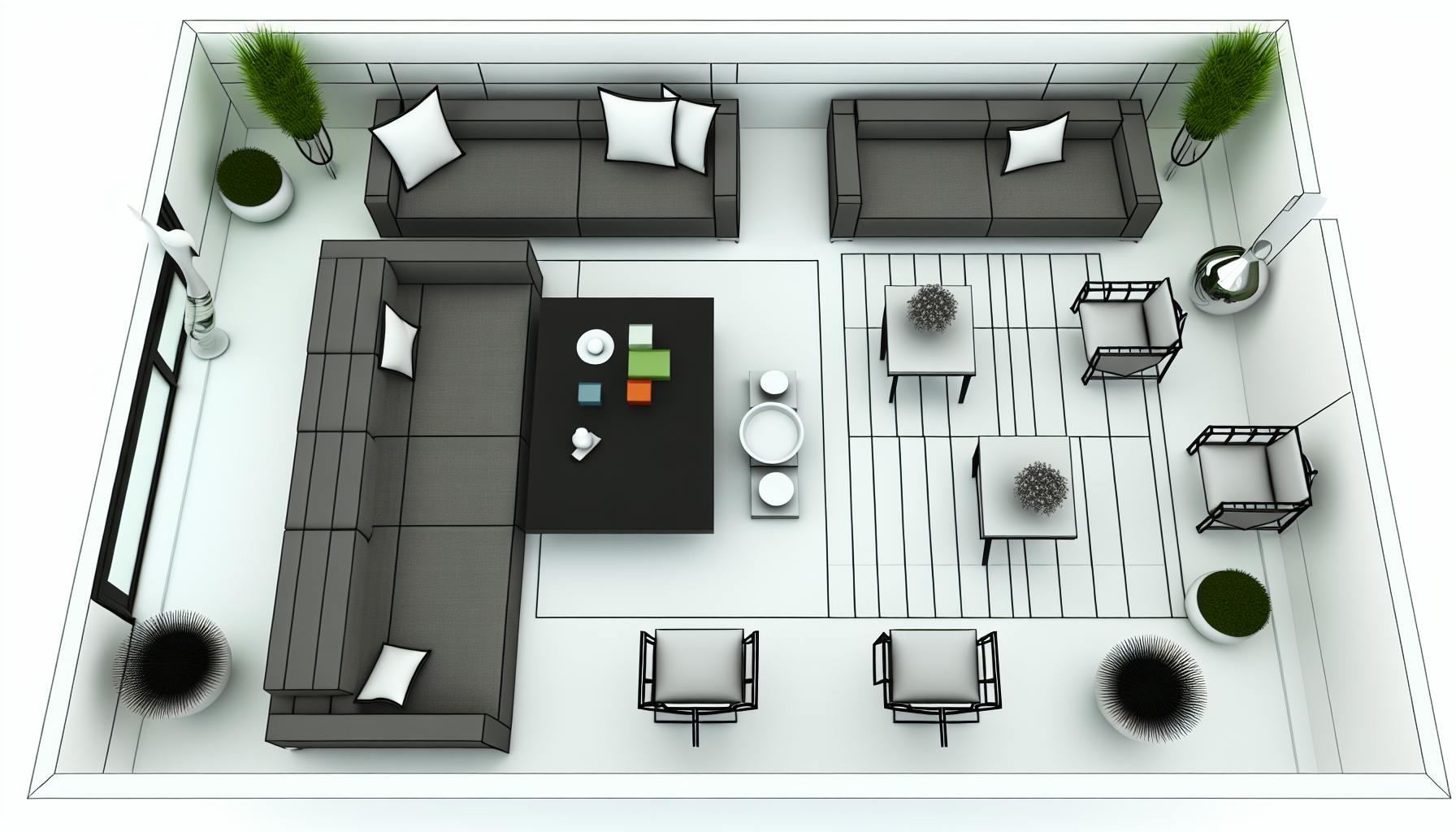
Next, measure furniture you plan to use and sketch possible arrangements on graph paper. Don’t clutter walkways and allow open pathways between spaces. Place key pieces like the TV or sofa first, then build around them.
Group seating to promote conversation. Angle furniture inward to define sitting areas. Ensure adequate lighting near tasks like reading nooks. Incorporate calming colors and decor reflecting your style.
By thoughtfully arranging your living room and finding inspiration from photos of spaces similar to yours, you can actualize the stylish, multipurpose area you’ve dreamed of – without breaking the bank! Let our design ideas guide you toward creating an inviting, organized, and efficient layout suited to your lifestyle.
Is there an app to help me decorate my living room?
Homestyler is a user-friendly mobile app that allows you to visualize different decor layouts for your living room. With its intuitive drag-and-drop interface, you can upload a photo of your space and easily add 3D renderings of furniture, lighting, accessories, and more.
Homestyler makes experimenting with various design concepts simple, even for beginners. Some key features include:
- Upload your own floor plan or take a picture of the room for virtual decoration
- Browse thousands of pieces of furniture and décor items to drag into the layout
- Edit measurements, patterns, and colors to customize items
- Switch between a 2D bird’s-eye layout and 3D preview
- Share designs and collaborate with others
Overall, Homestyler offers a fun way for novices to mock up living room ideas without a big commitment. Experimenting is easy since you can quickly undo changes, swap items, and explore what works best in your unique space.
How do I design my best living room?
Creating the ideal living room layout involves carefully planning furniture placement and design elements to maximize both aesthetics and functionality. When tackling a spacious living room, focus on delineating separate zones for seating, entertainment, and circulation while allowing an open flow between areas.
Plan the sitting area to facilitate conversation
Arrange seating to promote interaction, either facing each other or angled inward in a U-shape. Make sure there is enough room between pieces for traffic flow. Place end tables or ottomans near sofas and chairs so guests have space to set down drinks.
Fill the space with appropriate furniture pieces
Choose substantial, large-scale furnishings that hold their own without overwhelming the room. Sectionals, deep sofas with chaise extensions, oversized ottomans, and big coffee tables help anchor the space.
Create sectionals if the room is too large
If furniture looks lost, consider incorporating sectionals to define sitting areas. Customize configuration and size to delineate functional zones.
Use area rugs for effect
Layer large area rugs under conversation groupings to designate spaces within the room. Choose a bold pattern or vibrant color to add visual interest.
Select your lighting carefully
Incorporate varied lighting, like floor lamps beside chairs coupled with pendant lights above coffee tables to illuminate different zones. Add ambience with wall sconces.
How do I plan my living room?
Planning your living room layout is key to creating a functional and inviting space. Here are some helpful tips:
Start by identifying your focal point. This is the natural center of the space that your seating area should face. Common focal points include a fireplace, entertainment center, or large window with a nice view.
Next, choose your main piece of seating, such as a sofa or sectional. Make sure to leave enough space around it for traffic flow and end tables. A general rule of thumb is to leave at least 18-24 inches between furniture pieces and walls.
Consider where you want secondary seating like lounge chairs or a loveseat. These can be angled toward the main seating to encourage conversation. Again, leave room for people to comfortably move around each piece.
Factor in other living room essentials like media storage, lighting, plants, artwork, and rugs. Make sure your layout allows enough space for these supporting players without feeling cluttered.
Pay attention to natural flow from entrances and exits. You don’t want bottlenecks or passageways blocked by furniture placement.
If possible, use painter’s tape or a room layout app to experiment with arrangements before moving heavy furniture. Tweaking as you go helps achieve that perfect living room feng shui.
Most of all, create a space that matches your lifestyle and design aesthetic. With some forethought, you can have a living room that both looks beautiful and functions flawlessly for years to come.
How to design a living room from scratch?
Designing a living room from scratch can seem like an overwhelming task, but following a step-by-step process makes it much more manageable. Here are some key tips to guide you through decorating a living room design help space successfully:
Know Your Space
Take measurements and create a floorplan to understand the room’s dimensions and flow. Consider how you want to use the space and where you need seating, media, storage, etc.
List Out Your Needs
Make a list of must-haves like seating capacity, a place for a TV, and storage solutions based on your lifestyle. This helps prioritize what’s essential in your layout.
Identify Your Taste
Browse sites like Houzz and Pinterest to pin down an aesthetic you want to emulate. Nail down a style like modern, traditional, coastal, etc. This gives direction for all decor choices.
Plan Out Your Color Palette
Choose 3-5 core colors that coordinate well and reflect your style. Neutrals like white and gray work in most palettes. Use accent colors sparingly.
Following this simple process ensures you cover all the key bases for pulling together a cohesive and well-planned living room design tailored just for you. The rest involves finding those perfect furniture pieces and decor elements to bring your vision to life!
Maximizing Small Living Spaces: A Step-by-Step Guide
Discover small living room seating ideas and layouts that enhance both form and function in limited spaces.
Small Living Room Seating Ideas: Choosing Smart Furniture
When working with a small living room, living room design help is key for selecting space-savvy seating. Look for furniture with slim silhouettes and multipurpose features. For example, opt for a sleek chaise lounge that can double as extra seating when needed or a compact sofa with hidden storage. Benches and ottomans also maximize seating capacity while taking up minimal floor space.
Consider lightweight, movable furniture pieces like poufs and acrylic chairs to create a flexible layout. These can be easily tucked out of the way or repositioned to accommodate different needs or gatherings. You can also help me design my living room free of clutter with nesting coffee and side tables – they slide neatly under couches when not in use.
The Art of Illusion: Making Your Small Living Room Look Larger
A few simple decorating tricks can work wonders for opening up a cramped living room. Strategic furniture placement creates the illusion of added space – float pieces away from walls, angle seating inward to promote conversation and traffic flow, and refrain from overcrowding with too many furniture items.
When it comes to wall colors and flooring, lighter hues visually expand space. The same goes for reflective surfaces like mirrors – hang one directly across from windows to reflect more light. Choose streamlined fixtures and furniture with slim legs to maintain an airy aesthetic. Remove any bulky objects obstructing sightlines for a smoother look. Incorporating these and a few other small living room decorating ideas into your step-by-step decorating living room process can make the area appear significantly larger./banner/inline/?id=sbb-itb-94b96b6
Modern Living Room Ideas: Fusing Style with Functionality
Discover how to infuse modern design elements into your living room while maintaining a practical layout.
Contemporary Seating Solutions for a Modern Appeal
Incorporate sleek and minimalist seating to achieve a contemporary vibe. Focus on clean lines and neutral tones when selecting sofas, chairs, and benches to embrace the modern aesthetic. For small living rooms, a loveseat or settee can provide living room seating ideas that conserve space without sacrificing comfort. Or make a statement with a pair of mid-century modern armchairs featuring slender tapered legs and gently curved frames. Upholster pieces in textural fabrics like bouclé or linen for an inviting look. Arrange seating to promote conversation and traffic flow, turning chairs slightly inward to face each other. Float pieces away from the walls for a light and airy feel.
Choosing Accent Pieces for a Modern Touch
Select pieces that complement the modern aesthetic without sacrificing comfort or utility. For example, a geometric side table introduces bold lines while providing functional surface area. Abstract art prints and sculptural decorative objects infuse artistic flair. Try framing a gallery wall with black-and-white photography for a contemporary composition. Ensure lighting is layered, mixing ambient ceiling fixtures with directional floor and table lamps. This creates a warm and welcoming environment perfect for gathering and entertaining. For additional living room design help, consult an interior designer to customize the lighting plan and select cohesive accent pieces tailored to your personal style.
Free Living Room Design Assistance: Your Personal Consultant
Transforming your living room into a stylish and functional space can feel overwhelming. Where do you even start? Have no fear – with the right guidance, you can create the living room of your dreams without breaking the bank. Let’s explore some free resources that put design help right at your fingertips.
Help Me Design My Living Room Free: Expert Tips and Resources
Taking advantage of free online tools is a great way to plan out your new living room on a budget. Here are some ideas to get you started:
Online Floor Planners
- Sites like RoomSketcher allow you to easily create floor plans and arrange furniture layouts. Experiment with what works best for your space.
- Havenly Interior Design offers a free online consultation. Submit photos and dimensions of your room for expert feedback on layout and style opportunities.
Decor Inspiration
- Browse Pinterest boards specific to small living rooms to spark new ideas.
- Check out living room images on Houzz to see real rooms similar to yours for inspiration.
Budget-Friendly Pieces
- Sites like Wayfair allow sorting by price to find affordable living room furniture.
- Overstock and thrift stores can uncover hidden gems for the frugal shopper.
Follow living room design blogs like Apartment Therapy for regular doses of inspiration delivered right to your inbox.
DIY Design Strategies for the Budget-Conscious
If hiring a professional seems out of reach, there are still DIY approaches to give your space a makeover while sticking to your budget:
Furniture Hacks
- Refinish or repurpose pieces you already own with a fresh coat of paint.
- Reupholster worn but structurally-sound chairs and sofas by following online video tutorials.
Easy Updates
- Refresh the room with minor tweaks like switching out dated lamp shades or swapping in new throw pillows and blankets.
- Rearrange furniture placement to give the illusion of a larger, more open concept space.
Accessorize Creatively
- Incorporate budget-friendly statement pieces like large format artwork, sculptural objects, or an eye-catching area
rug . - Display collected keepsakes, books, and plants to inject personality.
Don’t let a small budget discourage you. With clever reuse of what you have plus a few inexpensive updates, you can create a Pinterest-worthy living room makeover on a dime. Need additional living room design help? Consult our decorating ideas guides for more inspiration.
How to Decorate a Small Living Room: Creative Tips and Tricks
Learn how to decorate a small living room, ensuring it is both stylish and functional despite the space constraints.
Strategic Decor Placement in Compact Spaces
Decorating a small living room can seem challenging, but with some strategic planning, you can create a stylish and inviting space. When dealing with limited square footage, living room design help involves carefully considering the layout and placement of furniture and decor.
Here are some useful tips for decorating a small living room:
- Use a furniture layout that enhances flow. Arrange furniture to create open pathways so the room feels more spacious. Float furniture away from walls rather than pushing it flush against them to help the space feel more open.
- Incorporate multifunctional furniture. Look for pieces like storage ottomans, sleeper sofas, and coffee tables with shelves to maximize functionality. Using furniture that serves multiple purposes can help save space.
- Add height through shelving. Installing wall-mounted shelving or placing tall bookcases strategically helps draw the eye upward, creating the illusion of a higher ceiling. Style shelves attractively with books, photos, and decor to avoid clutter.
- Mirror key focal walls. Hanging an elegantly framed mirror on your main living room wall visually doubles the space. Illuminate the mirror well with properly placed lighting to maximize this effect.
- Keep furnishings low profile. Choose furniture with short, petite silhouettes and transparent, open frames. This helps maintain a sense of openness rather than heaviness. For example, select a low media console instead of an entertainment center.
Following these fundamental yet creative living room design help ideas will make your small living room feel fresh and spacious. Continue reading for more ways to maximize your compact living area through smart decor choices.
Multi-Functional Decor for Small Living Areas
In addition to strategic furniture placement, incorporating multi-functional decor elements helps maximize limited space in a small living room. Look for decorative pieces that can serve multiple purposes.
Some excellent options include:
- Storage ottomans. Ottomans with internal storage compartments allow you to stow items like blankets inside while also providing extra seating. Top them with decorative trays to double as coffee tables.
- Nesting tables. A set of nesting tables offers flexibility for additional surface space when needed. When not in use, they tuck together neatly out of the way.
- Convertible coffee tables. Coffee tables with lifting tops create space for playing games or eating when desired. Lower the surface when finished to keep the room free of clutter.
- Multi-panel screens. Artfully arranged screens carve out separate spaces like reading nooks without taking up much room. They also conveniently hide unsightly areas or electronics.
When space is tight, creatively utilizing decor that serves multiple functions helps prevent your small living room from feeling too cramped or chaotic. The right living room design help choices can make all the difference.
Decorating on a Dime: How to Decorate a Living Room on a Budget
Uncover savvy strategies to give your living room a facelift without spending a fortune.
Affordable Finds for Budget Living Room Redesign
Learn where to shop for high-impact, low-cost items to refresh your living space.
Breathe new life into your living room without breaking the bank. Discount retailers like IKEA and Target offer stylish yet affordable furniture, while sites like Wayfair and Overstock let you browse thousands of lower-priced sofas, coffee tables, area rugs and more.
For unique accent pieces on a budget, check out flea markets, thrift stores, estate sales, and online marketplaces like Craigslist, OfferUp, and Facebook Marketplace. Breathe new life into secondhand furniture with a fresh coat of paint or new hardware. Or try upcycling dated pieces by switching out drawer pulls, painting with chalk paint, or adding trim.
DIY Projects for Cost-Effective Decor
Get creative with do-it-yourself projects that add personality to your living room without a hefty price tag.
Inject color, texture, and visual interest through thrifty DIY decor. Upgrade plain walls by creating an accent wall with peel-and-stick wallpaper or painters tape designs. Freshen up tired coffee tables, side tables, and consoles by decoupaging scrapbook paper or magazine cutouts onto the surface.
Display your favorite photos, art prints, or inspiring quotes in mismatched frames grouped together gallery-style over the sofa or on empty wall space. Make the arrangement cohesive by spray painting the frames the same color.
Get crafty with DIY projects like macrame plant hangers or a yarn wall hanging to inject boho style. Upcycle glass jars or vases into candleholders or table lamps. And customize throw pillows by covering plain pillow inserts with your choice of cozy fabrics.
With a dose of creativity and cost-conscious shopping savvy, you can reimagine your living room layout and give it a fresh new look while sticking to your budget.
Step-by-Step Decorating: A Living Room Design Journey
Follow a step-by-step decorating guide to systematically create a cohesive and beautiful living room space.
Step-by-Step Decorating Living Room: From Planning to Execution
Lay out the phases of decorating, from selecting a color scheme to placing the final accent piece.
Creating a stylish yet functional living room requires thoughtful planning and execution. Follow this step-by-step guide to transform your space:
Select a color palette Choosing 3-5 complementary colors creates a cohesive base for your design. Consider existing furniture and architecture along with personal preferences. Earth tones like beige and green promote relaxation while jewel tones like navy and maroon evoke elegance.
Define spaces and functionality Map out separate zones for watching TV, reading nooks, conversation areas, etc based on family needs and room dimensions. This allows you to arrange furniture accordingly.
Purchase focal pieces Invest in eye-catching items like a lush sofa, stunning light fixture or vibrant
Add supporting furniture
Fill out each zone with practical pieces like side tables, TV stands and bookshelves suited to their purpose. Maintain cohesion through color, material or styles.
Incorporate textures and layers Use layers of window treatments, throw pillows, blankets and wall art to incorporate visual interest and coziness. Vary textures with nubby knits and smooth velvets.
Finalize with accessories
Display cherished travel mementos, family photos or artful objects as personalized finishing touches. Consider practical organizers like magazine racks and decorative trays.
Following this living room design methodology creates a personalized, functional and beautiful space you’ll enjoy everyday.
Overcoming Decorating Challenges: Practical Solutions
Tackle common decorating hurdles with effective solutions that keep your project on track.
Decorating a living room often involves overcoming obstacles. Here are some practical solutions:
Limited natural light
Install dimmable lights and uplighting to brighten darker corners. Place a mirror near the window to reflect light deeper into the room. Choose light, bright accent colors over dark hues.
Odd room layout
Use a large area
Clutter accumulation Designate baskets or cabinets for hiding everyday items when not in use. Maintain clutter hotspots like entryways and coffee tables through quick daily tidying. Add extra storage like a coat rack, shelf or trunk.
Lackluster blank walls
Create an art gallery wall with a cluster of framed prints and photos. Install wallpaper or panels with bold patterns. Decorate with 3D elements like floating shelves, sconces and macrame wall hangings.
Budget constraints
Shop secondhand stores and online markets for unique vintage finds at a fraction of retail price. Reuse items you already own for a fresh look with spray paint or new upholstery. Work in stages instead of furnishing everything immediately.
With some creativity and targeted solutions, you can work around common decor dilemma to craft your dream living room. Don’t let the frustrations derail your goals.
Wrapping It Up: Functional and Fabulous Living Room Design
Creating a living room that is both stylish and highly functional can seem daunting, but it is achievable with some key strategies. Here are the essential tips to keep in mind:
- Prioritize flow and traffic patterns. Consider how you and your family move through and utilize the space to arrange furniture accordingly. Leave ample room for high-traffic areas.
- Zone areas by activity. Define spaces for watching TV, reading nooks, conversation areas, etc. This helps optimize room use.
- Choose multi-functional furniture. Items like ottomans with hidden storage help maximize functionality.
- Incorporate personalized storage. Built-ins like bookshelves keep items organized while adding personal flair.
- Use stylish organizational solutions. Woven baskets, fabric bins and other decorative storage conceal clutter while complementing your decor.
- Add style with design details. Paint, lighting, rugs and accessories like throw pillows pull your living room look together beautifully.
Keeping these core tips in mind will ensure you craft a living space that seamlessly blends form and function for an enviably fabulous room you’ll love spending time in.