


Last Updated on February 27, 2024
Looking for a new home now gives us a chance to embrace sustainability, so what features should we look for?
Property law is a dynamic area and, as a result, property law solicitors are witnessing an exciting transformation – a burgeoning interest in sustainability within the property sector. Today, the quest for your dream home encompasses more than just square footage and curb appeal; it extends to aligning your living space with ecological values.
In this comprehensive article, we will delve deep into the world of sustainable housing, exploring why opting for a sustainable home is a prudent choice. We will also provide a list of the top sustainable features to seek when purchasing your new residence.
The Sustainability Advantage – Why Choose a Sustainable Home?
Commercial Real Estate Sustainability has become more than just a passing thought. We now all have a larger role to play when it comes to caring for our planet. As a result, it has become a conscious choice laden with substantial benefits:
Economic Savings
Sustainable homes often incorporate state-of-the-art energy-efficient technologies such as solar panels, LED lighting, and advanced insulation systems. These features significantly reduce utility bills, making sustainable living a financially savvy decision in the long run. They can help homeowners to save money but, in turn, that also translates into less of an impact on the environment.
Environmental Stewardship
Sustainable homes reduce greenhouse gas emissions and alleviate pressure on natural resources by minimising energy and water consumption. Opting for sustainability is a tangible way to contribute to the global fight against climate change. Making these changes as a collective will ensure that we take greater care of our environment.
Improved Indoor Air Quality
Sustainability places a premium on indoor air quality through the use of cutting-edge air filtration systems and non-toxic building materials. This translates into a healthier living environment, especially crucial for families and individuals with allergies or respiratory issues. It is quite surprising how poor the air quality can be inside a home, but the latest technology can make a big difference.

Enhanced Resale Value
With sustainable living gaining popularity, homes equipped with eco-friendly features are expected to command higher resale values. Future buyers are likely to appreciate the cost savings and environmental benefits associated with these homes.
Top Sustainable Features to Look for in Your New Home
When starting out on your house-hunting journey with sustainability as a top priority, keep an eagle eye out for the following eco-friendly features:
Solar Panels
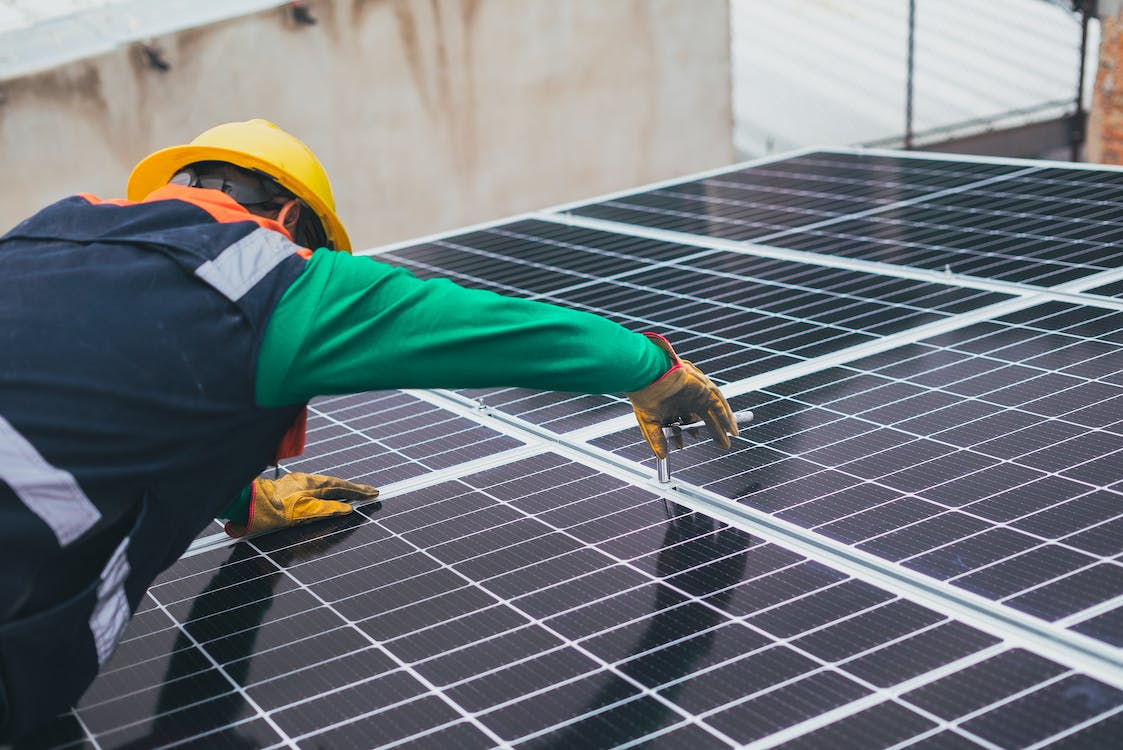
Solar power systems harness energy from the sun, reducing reliance on conventional energy sources and substantially lowering electricity bills.
Energy-Efficient Appliances
Seek homes equipped with ENERGY STAR-rated appliances. These appliances deliver the same performance while using less energy, leading to remarkable energy savings.
High-Quality Insulation
Proper insulation, including double-glazed windows and well-insulated walls and rooves, ensures better temperature regulation inside the house, leading to significantly lower heating and cooling costs.
Rainwater Harvesting System
This ingenious system collects and stores rainwater for non-potable uses, such as garden irrigation and toilet flushing, conserving precious freshwater resources.
Green Roof
Green roofs, adorned with living vegetation, provide superior insulation, mitigate urban heat island effects, and improve air quality. They also add an aesthetically pleasing touch to your home.
Smart Home Technology
Smart thermostats, lighting systems, and security features empower you to monitor and control your home’s energy consumption remotely, maximising efficiency and convenience.
Recycled and Sustainable Building Materials
Sustainable homes often feature construction materials sourced from sustainable or recycled sources. Examples include reclaimed wood and bamboo flooring, which reduce the environmental impact of construction while adding character and warmth to your living space.
Native Landscaping
Landscaping with native plants requires less water and supports local ecosystems and wildlife. It’s not just eco-friendly; it’s also a nod to the region’s natural beauty.
Low-Flow Fixtures
Water-saving fixtures in bathrooms and kitchens significantly reduces water consumption without compromising functionality, helping to conserve this precious resource.
Energy-Efficient HVAC Systems
High-efficiency heating, ventilation, and air conditioning (HVAC) systems maintain a comfortable indoor environment while minimising energy use, enhancing your home’s sustainability.

Looking for a Sustainable Home?
As you take those next steps in your search for a sustainable home, remember that each eco-conscious choice benefits not only your immediate quality of life, but also the planet. Sustainable homes represent a significant step towards a greener, more sustainable future.
By wholeheartedly embracing these initiatives, you play an indispensable role in safeguarding our environment and conserving precious resources for generations to come.
Image Credit
3. ready made