
Last Updated on July 19, 2026
The Underappreciated Design Element That Changes Everything
There’s a particular satisfaction that comes from a kitchen that looks and works exactly as it should, where every element serves its purpose without calling unnecessary attention to itself. Access panels in kitchen appliances are one of those quietly brilliant design features that make a real difference in how a kitchen operates, yet they’re rarely the first thing anyone talks about when planning a renovation or upgrade.
That’s worth changing. In 2026, as open-plan kitchens and integrated appliance designs continue to dominate the interior landscape, understanding access panels and the smart role they play in kitchen appliance design gives homeowners and designers alike a meaningful advantage. Once you understand what to look for, you’ll start noticing them everywhere, and appreciating the thoughtfulness behind each one.
What Are Access Panels in Kitchen Appliances?
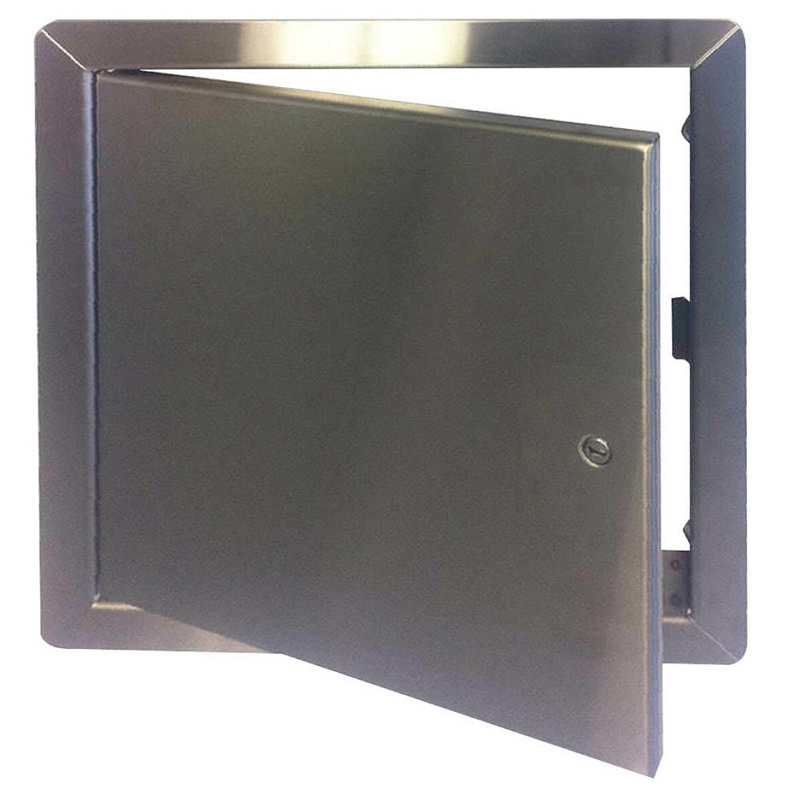
An access panel is exactly what it sounds like: a panel, door, or removable section designed to provide entry to the mechanical or technical components of an appliance or a built-in system. In kitchen environments specifically, access panels appear on built-in refrigerators, range hoods, dishwashers, built-in ovens, and on the cabinetry that houses plumbing and electrical connections behind appliances.
The best access panels are designed to be functionally invisible during normal use, blending seamlessly into the surrounding cabinetry or appliance finish while remaining accessible when needed for maintenance, repairs, or inspections. This dual requirement, looking beautiful while staying practical, is precisely what makes thoughtful access panel design such an interesting design challenge.
Why Access Panel Design Matters More Than You Think
When a kitchen is designed with integrated appliances and custom cabinetry, the visual continuity of the space depends on how well every element, including access points, is handled. A poorly designed access panel stands out like a thumb tack on a silk pillow. It interrupts the visual flow, signals a design afterthought, and often ages poorly as the surrounding finish develops character over time.
Well-designed access panels, by contrast, enhance a kitchen in three specific ways.
Visual Continuity
When access panels are designed to match the surrounding surface, whether that’s custom cabinetry, stainless steel, or a seamless panel face, the kitchen reads as a cohesive, considered space. High-end appliance manufacturers invest significantly in this, offering panel-ready appliance configurations that accept custom cabinet faces so the appliance disappears entirely into the surrounding design.
Ease of Maintenance
Kitchen appliances require regular maintenance: condenser coils need cleaning, filters need replacing, drain pumps occasionally need clearing. Access panels that are genuinely easy to open and close, without tools, without excessive force, without disrupting adjacent elements, make routine maintenance something homeowners will actually do. And appliances that receive regular maintenance simply last longer and perform better.
Professional-Grade Serviceability
When a technician needs to service an integrated appliance, the quality and thoughtfulness of the access panel design directly affects how efficiently that work gets done. Well-placed, well-designed panels mean less disruption to the surrounding kitchen: fewer appliances temporarily removed from their housings, less risk of damage to surrounding cabinetry, and faster service calls overall.
Access Panel Design Features Worth Knowing
As you evaluate kitchen appliances or plan a renovation, here are the specific design features that distinguish a well-executed access panel from a mediocre one.
Tool-Free Opening Mechanisms
The finest access panels open with a push, a quarter-turn fastener, or a magnetic latch rather than requiring a screwdriver or wrench. Tool-free access is not a luxury feature; it’s a practical standard that encourages regular maintenance and reduces the risk of fastener damage or stripped screws over years of use.
Flush Panel Faces
Panels that sit flush with the surrounding surface are the gold standard aesthetically. Even a slight protrusion creates a shadow gap that catches the eye, particularly in kitchens with strong directional lighting. Flush-mounted panels, especially when finished to match adjacent surfaces, maintain the clean lines that define contemporary kitchen design.
Durable Hinges and Retention Systems
An access panel is only as good as its hardware. Soft-close hinges, captive fasteners (the kind that stay attached to the panel rather than falling away when loosened), and stainless or powder-coated hardware ensure the panel operates smoothly and doesn’t deteriorate faster than the appliance around it.
Gaskets and Seals
In areas near water, such as the kick plate panel at the base of a dishwasher or the service access on an under-counter refrigerator, seals and gaskets prevent moisture infiltration into the mechanical components. This is a detail often overlooked in budget appliances and almost always present in quality ones.
Where You’ll Find Access Panels in Kitchen Appliances
Understanding where access panels appear helps you evaluate appliances with a more informed eye during your next appliance shopping trip.
Dishwashers
Dishwashers typically feature a front kick plate panel at the base that provides access to the drain pump and water inlet valve. On integrated panel-ready dishwashers, this kick plate matches the cabinetry, maintaining the seamless look of a fully designed kitchen. The door inner panel on many dishwashers also conceals the control module and wiring, accessible for service when needed.
Built-In Refrigerators
Full-size built-in refrigerators, particularly column-style units, often feature rear or top-mounted access panels for the compressor and condenser components. Many also have accessible kick plates at the base where grilles can be removed for condenser cleaning, a maintenance task that should be done once or twice per year to maintain efficiency.
Range Hoods
Range hood access panels typically provide entry to the blower motor and wiring connections. On professional-style hoods, this panel is often located on the top or rear of the hood housing. Filter access, by contrast, is typically via the visible underside of the hood, and in well-designed models, filters simply slide or pop out without tools.
Built-In Ovens and Warming Drawers
Built-in ovens often include a removable rear panel accessible after the unit is removed from its cavity, designed for element replacement or thermostat calibration. Some models feature a lower front panel for drawer access or bottom element maintenance that can be reached without full unit removal.
Panel-Ready Appliances: The Ultimate in Kitchen Integration
For those designing or renovating a kitchen with seamless aesthetics as a priority, panel-ready appliances deserve serious consideration. These appliances are specifically engineered to accept a custom cabinet door face that matches your surrounding cabinetry exactly, making the appliance visually indistinguishable from the adjacent cabinets when closed.
The access panel on a panel-ready appliance is typically hidden behind this custom face, maintaining the unbroken visual line of the cabinetry. Service access usually happens by opening the appliance door itself or through a secondary panel on a different face of the unit. The trade-off is slightly higher cost and the need to coordinate the custom panel with your cabinetry manufacturer, but the result in the right kitchen is genuinely stunning.
If you’re also considering a full kitchen layout rethink, it’s worth exploring the difference between classic and contemporary kitchen styles to find the design language that resonates with your home’s overall aesthetic.
Maintenance Through the Access Panel: A Practical Guide
Knowing where access panels are located and how to use them makes regular kitchen appliance maintenance significantly more achievable. Here’s a simple seasonal routine that uses access panel access points.
Every 3 Months
Remove and clean range hood grease filters, accessible through the underside of the hood. Check the dishwasher kick plate area for any signs of water or unusual moisture. Many dishwashers allow easy filter access via the interior floor of the tub rather than an external panel.
Every 6 Months
Remove and clean the refrigerator condenser grille, typically accessed via the kick plate at the front base of the unit. Vacuum condenser coils if accessible. This single task can extend refrigerator life and improve efficiency meaningfully.
Annually
Inspect all appliance service panels for signs of seal degradation, loose fasteners, or corrosion. Check that all tool-free access mechanisms still operate smoothly and that hinges are secure. A few minutes of inspection prevents larger maintenance headaches down the road.
Choosing Appliances with Access Panel Quality in Mind
The next time you’re evaluating kitchen appliances for a renovation or replacement, add access panel quality to your evaluation criteria. Ask specifically: how does the service panel open? Is there a toe kick panel with proper drainage protection? Are the panel finishes matched to the appliance exterior? Can filters and accessible components be reached without tools?
These questions might feel minor alongside questions about cooking performance or energy efficiency, but they speak directly to how well an appliance will age in your home, how easy it will be to maintain, and how seamlessly it will fit into your kitchen design over years of daily use.
For ideas on making every part of your kitchen work harder and look better, explore our thoughts on creating a professional cooking environment at home and how the right tile choices can transform the way your kitchen feels.
Access panels may never be the star of a kitchen design conversation, but the kitchens we love most, the ones that work beautifully for years and years, are invariably the ones where every detail, even the invisible ones, was handled thoughtfully.
Are you an expert in this space? Write for us about appliance repair — we welcome guest contributions from industry professionals.
Are you an expert in this area? Write for us about home and kitchen — we welcome guest contributions from industry professionals.