
Last Updated on May 2, 2026

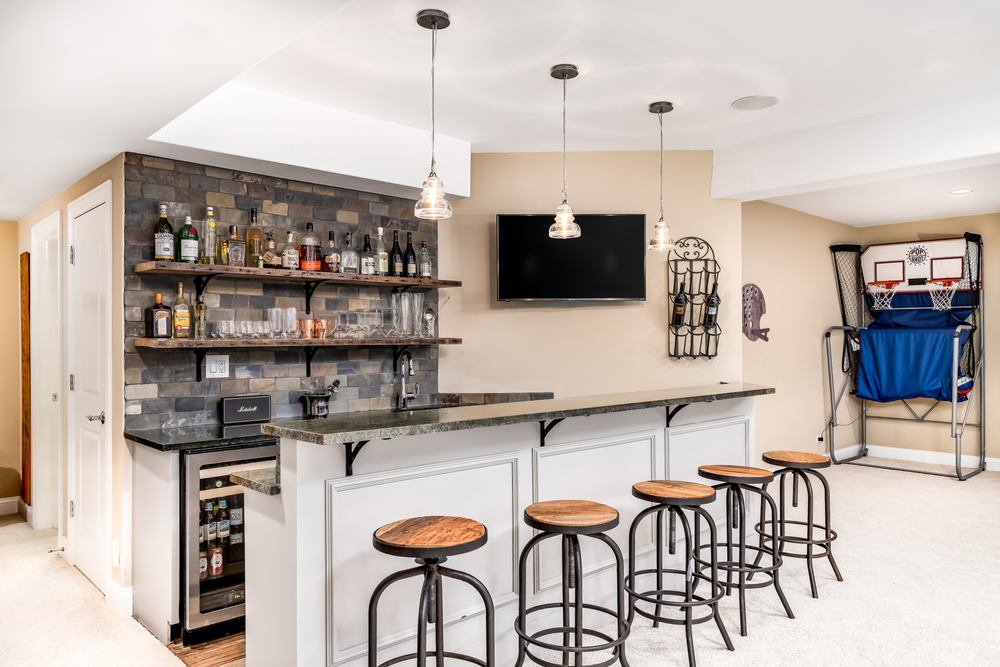
There is something genuinely special about walking into a home that has its own bar. It signals that the people who live there take hospitality seriously, that they enjoy a well-made drink, and that they have thought carefully about how they want to use their space. A home bar does not have to be extravagant or require a dedicated room. It can be a beautifully organized corner, a built-in cabinet, a section of a basement, or even a well-styled bar cart. What matters is intentionality.

If you have been thinking about creating a home bar, here is a comprehensive guide to doing it properly, from choosing the right space to stocking it like someone who actually knows what they are doing.

Choose the Right Space First

Before you invest in anything, spend some real time thinking about where your bar will live. The location shapes everything else about the project. A bar that is tucked in an awkward corner or crammed into a space that does not allow for comfortable movement will never feel like the destination it should be.

Dedicated bar rooms or wet bar areas in finished basements are the gold standard, but they are not the only option. A large living room can accommodate a bar cart or a styled console table. A dining room built-in can be converted into bar storage. A reading room or sitting area can incorporate a bar cabinet as a focal point. Even a wide hallway nook can work with the right shelving and styling.

Think about traffic flow. A good bar is accessible without interrupting the rest of the gathering. Think about proximity to a sink if you can manage it, since rinsing glasses and tools nearby is genuinely convenient. And think about the vibe you want. A moody, dimly lit basement bar feels different from a bright open-concept kitchen bar area, and both are entirely legitimate directions.

Get the Essential Bar Tools Together

A beautiful bar that lacks the right tools is mostly a display cabinet. What elevates a home bar from decorative to functional is having everything you need to actually make excellent drinks. The core toolkit is not that large and does not need to be expensive to start.

The basics every home bar needs: a cocktail shaker (a two-piece cobbler or a Boston shaker), a jigger for measuring, a bar spoon for stirring, a Hawthorne strainer, a muddler, a channel knife or Y-peeler for citrus, and a small cutting board. Beyond the tools, make sure you have a good ice situation covered. Large format ice cubes melt more slowly and make drinks taste better. Silicone ice molds are inexpensive and immediately elevate the experience.

RELATED  How to Build a Successful Cheese-Making Business at Home

As you build out the bar, add tools as they become relevant to what you are making. A milk frother for espresso martinis, a juicer for fresh citrus, a blender if you enjoy frozen drinks. Let the drinks you actually love guide the equipment list. For daytime hosting, a well-stocked coffee station pairs naturally with a home bar and keeps guests covered from morning through evening.

Build a Thoughtful Spirit Collection

You do not need every category represented on day one. Start with the spirits you and the people you entertain actually enjoy and build out from there. A well-stocked home bar can eventually cover bourbon or rye, gin, rum, tequila or mezcal, vodka, and a bottle or two of amaro or aperitivo. But a bar stocked with two or three bottles of things you love is far better than twelve dusty bottles of things you bought because they looked impressive.

Spend slightly more than you think you need to on the bottles you use most. The base spirit in a cocktail is the largest contributor to how it tastes, and the difference between a budget bourbon and one that costs twice as much is often very noticeable in the glass.

Complement the spirits with a solid collection of liqueurs and modifiers: dry and sweet vermouth, triple sec, a coffee liqueur, maybe a Campari and an amaro. These are the building blocks that allow you to make a genuinely wide range of classic and contemporary cocktails without needing an enormous inventory.

Stock the Right Garnishes and Mixers

The garnishes and mixers a bar carries are what separate a drink that tastes fine from one that tastes finished. Fresh citrus is non-negotiable. Lemon and lime are in the vast majority of classic cocktail recipes, and fresh juice makes a real difference compared to bottled. Keep a small bowl of limes and lemons within easy reach of the bar at all times.

RELATED  11 Best Turquoise Kitchen Decor Accessories

A selection of bitters is also worth investing in. Angostura and Peychaud's bitters alone will cover a huge range of classic recipes. Orange bitters open up another set of options. A bottle or two of flavored bitters from a craft producer adds depth and versatility to the collection without taking up much space or budget.

For mixers, keep quality tonic water, club soda, and ginger beer on hand. These show up in enough drinks that running out mid-party is frustrating. Simple syrup is worth having a bottle of in the refrigerator, and it is also one of the easiest things to make yourself: equal parts sugar and water, heated gently until the sugar dissolves, then cooled and stored.

Choose Your Glassware Intentionally

The glass a drink is served in affects how it tastes, how it looks, and how it feels in the hand. You do not need dozens of types of glassware to start, but a few key styles will cover most situations.

A rocks or Old Fashioned glass is probably the single most versatile vessel in a home bar. It works for spirits on ice, low-ball cocktails, and many stirred drinks. Highball glasses cover the tall cocktails, the spritzes, and the gin and tonics. Coupe glasses have replaced the Martini glass in most modern bars for good reason. They are more stable, more elegant, and work for Martinis, Daiquiris, Sidecars, and a wide range of up cocktails. Add champagne flutes if you entertain with Champagne or sparkling cocktails regularly.

Buy fewer glasses than you think you need and buy better ones. Thinner glass rims feel significantly better to drink from, and well-made glassware is not as expensive as people assume. Check out options at kitchen specialty stores, restaurant supply shops, or estate sales for beautiful pieces at excellent prices.

Create a Focal Point for the Space

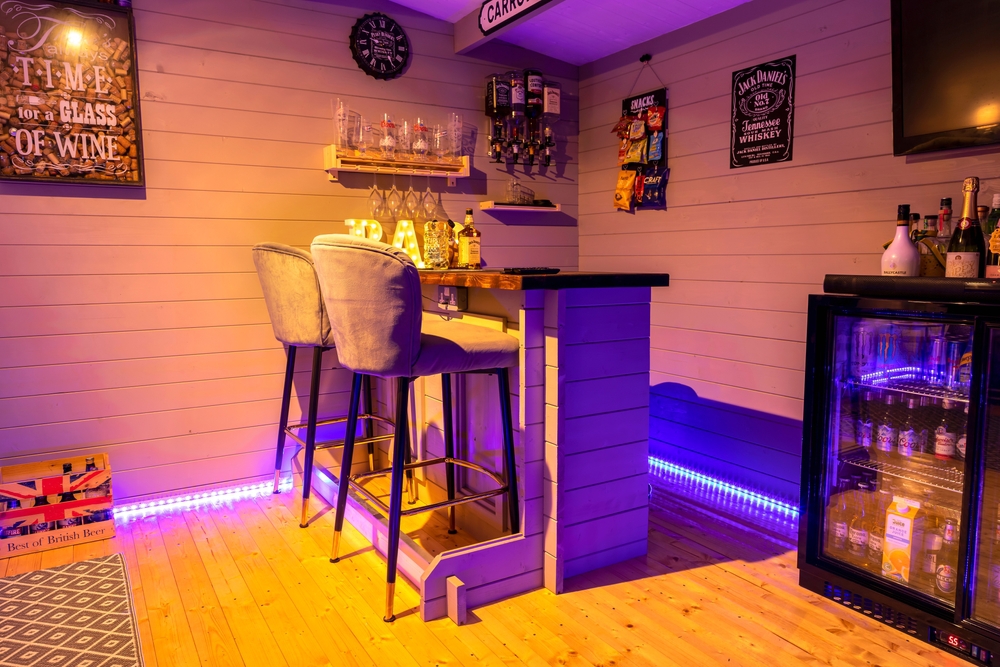
Every great bar has something that draws the eye and gives the space identity. For a home bar, this might be a collection of distinctive bottles arranged on a backlit shelf. It might be an architectural element like a mirror, a piece of neon signage, or a custom shelving unit built from reclaimed wood. It might be a single stunning pendant light positioned over the bar surface.

RELATED  Smart and Functional Ideas for Kitchen Renovation

Think about what makes your bar feel like yours rather than a generic hospitality concept. The objects you choose, the art you hang, the lighting you select, and the way you arrange the bottles all tell a story. A bar that feels personal and considered will always be a better place to spend time in than one that looks like it was assembled from a generic checklist.

Lighting deserves special attention in a bar setting. Warm, low light creates atmosphere in a way that overhead bright lighting simply cannot. A dimmer on overhead lights, a couple of well-placed lamps, and perhaps some low-level lighting under shelving can transform the whole mood of the space after dark. Our dining room and entertaining lighting guide has excellent advice on fixture selection and layering that translates directly to bar spaces.

Keep It Organized and Functional

A bar that looks beautiful but is difficult to actually use quickly becomes frustrating. Group items logically: spirits together, liqueurs together, tools within easy reach of the workspace. Keep the most-used bottles in the most accessible positions. Store glassware where it is easy to grab without hunting.

Wipe down the bar surface after each use. Polish glasses before guests arrive. Keep a small linen or bar towel handy while mixing. These are small habits that make the experience of using the bar significantly better and that protect your surfaces and glassware over time.

If your bar opens onto a patio or outdoor entertaining area, check out the best summer patio decor ideas for creating a seamless indoor-outdoor flow. For ideas on how to style and organize the rest of your living spaces to complement your new bar, our posts on affordable living room design and living room design help are worth reading alongside this one. You might also find inspiration in our guide on designing the perfect home theater, since home bars and home theater spaces often share the same entertaining-first design philosophy.

If you have built a home bar you are proud of and want to share what you learned, visit our home decor guest post page to contribute your story and tips to our community.

Brooks Manley

Brooks Manley

Brooks is a marketer by trade, but has developed quite the passion for home design since becoming a homeowner in New Orleans. He'll be writing about he and his wife's favorite home decor products as well as simple tips and tricks for creating a home you love.

Leave a Reply