
Last Updated on July 5, 2023
Designing a kitchen involves more than selecting appliances and color palettes; it involves making crucial decisions, such as determining the overall style of the space.
That often revolves around the classic versus contemporary design debate—a discussion that can prove challenging. This article is here to help make that a little bit clearer.
Understanding Kitchen Styles
In today’s world, kitchens have transformed from being merely a place for cooking to a hub of interaction, playing a crucial role in everyday life. It’s in this spirit that the style of your kitchen takes on significance.
Kitchen styles express more than aesthetic preference. They also communicate your lifestyle and personality. Therefore, understanding the core principles of different styles can greatly help you in making an informed choice.
Classic Kitchens: The Allure Of Timeless Elegance
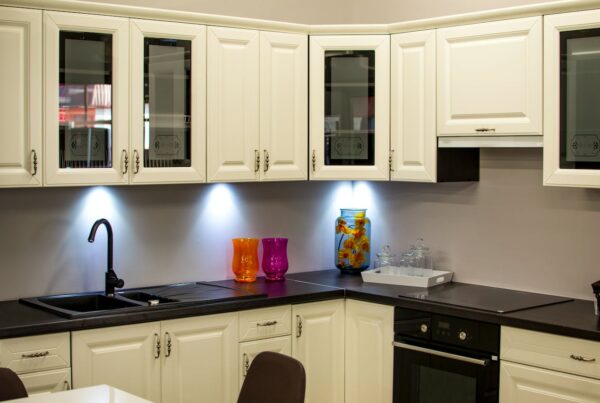
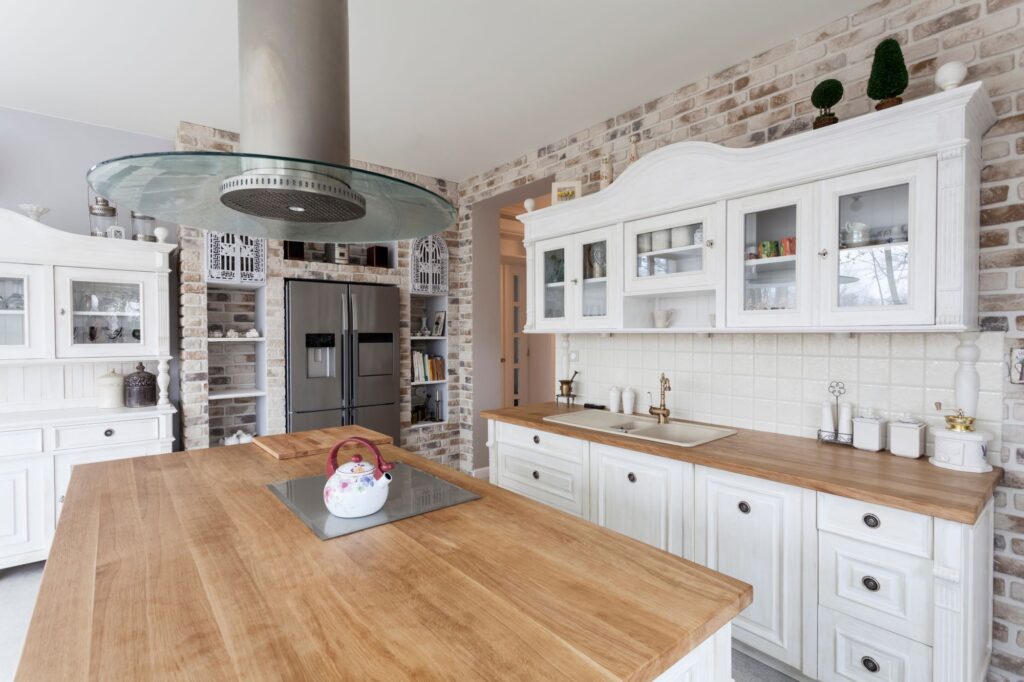
Classic kitchens draw their inspiration from various historical periods such as the Victorian, Georgian, or Edwardian times. Think of ornate cabinetry, soft colors, and an atmosphere that warmly greets anyone who enters.
A classic kitchen is characterized by rich detailing and the use of traditional materials. Natural elements such as stone countertops and hardwood floors are common features. Elements like raised-panel cabinets, antique-style taps, and sophisticated millwork complete the picture.
While the style undeniably possesses charm, it has its challenges. The detailed and intricate designs can be tough to maintain, requiring meticulous cleaning. Additionally, the style may not blend seamlessly into a modern, minimalist home, potentially clashing with other contemporary elements.
Contemporary Kitchens: Embracing The Now
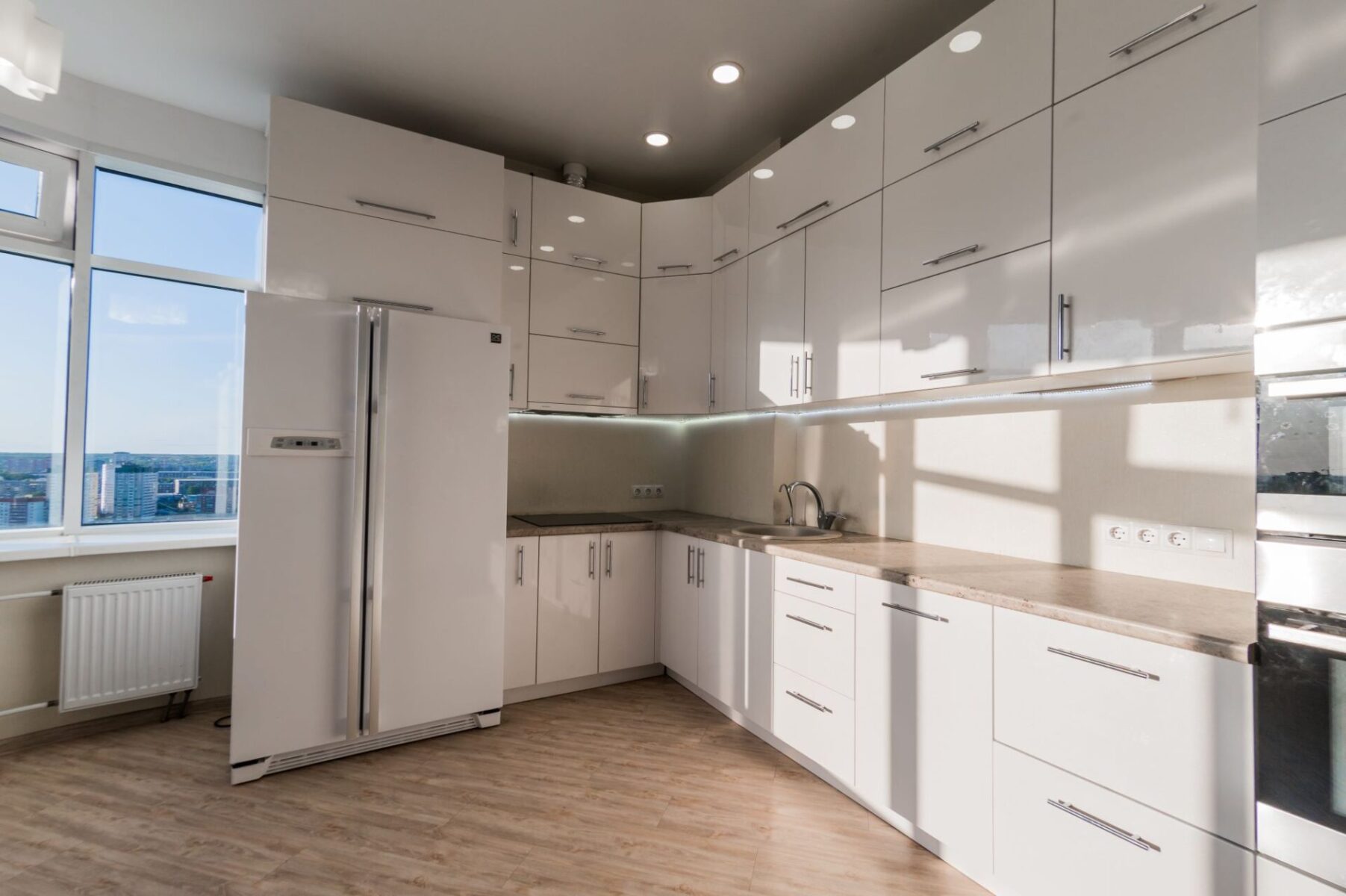
Contemporary kitchens represent a stark contrast to traditional design, embracing the ethos of the present moment by blending chic aesthetics with modern-day practicality. Glossy surfaces, cutting-edge appliances, and bold color schemes are all part of the package.
The charm of a contemporary kitchen lies in its streamlined aesthetics and functionality. Features such as flat-panel cabinets, sleek hardware, and integrated appliances make these kitchens stand out. The design style aims to blend form and function, offering an efficient cooking space without compromising appearance.
However, the contemporary style isn’t for everyone. Some people might find these kitchens too impersonal or lacking in character. Moreover, like all trends, today’s cutting-edge design could potentially become dated in the future.
The Best Of Both Worlds?
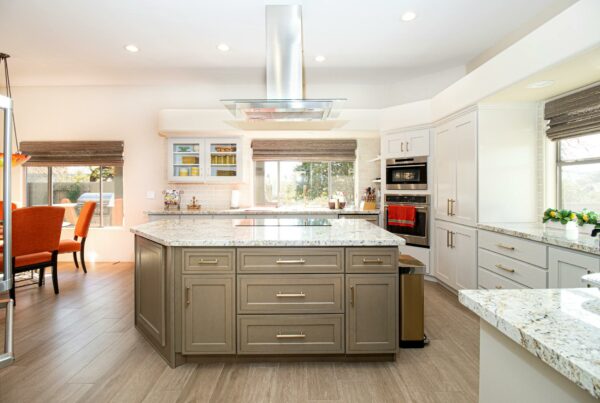
If you find yourself torn between the timeless allure of classic designs and the sleek appeal of contemporary styles, why not mix them? Embracing the concept of a transitional kitchen gives you the liberty to incorporate elements from both, providing an opportunity to craft a space that truly echoes your individual taste and style.
Choosing The Right Kitchen Style
Here are some insightful tips to guide your decision-making process:
- Evaluate your lifestyle: Your kitchen should cater to your needs. If you love to host dinner parties, you might find a classic kitchen with a large dining area more fitting. On the other hand, if you’re a fan of quick, easy meals, the efficiency of a contemporary kitchen might be more suitable.
- Consider your home’s architecture: The design of your kitchen should harmonize with the rest of your home. A sleek, contemporary kitchen might look out of place in a traditional, country-style bungalow, and vice versa.
- Think long-term: While following the latest trends is tempting, a kitchen is a long-term investment. Choose a design that you’re sure you’ll love for years to come.
Whether you’re drawn to the vintage charm of classic designs or the modern appeal of contemporary styles, the choice is yours to make. Remember, the best style reflects your personal taste and lifestyle while also fitting seamlessly into your home’s overall architecture.
Budget Considerations: Quality Over Cost
When choosing between classic and contemporary styles, it’s important to consider your budget. Classic kitchens can be costly with their intricate details and high-quality materials. Modern kitchens, with their sleek lines and innovative appliances, can also come with a hefty price tag.
Here’s a tip: instead of focusing solely on the cost, consider the value and longevity of the design. Will the kitchen stand the test of time in terms of style and durability? Remember, a well-designed, quality kitchen can significantly increase the value of your home in the long run.
Trust Your Gut
At the end of the day, the style of your kitchen should reflect who you are. Do you prefer warm, inviting spaces or clean, sleek designs? Are you drawn to the charm of natural materials, or do you prefer the smooth finishes of modern materials? These are the questions that will guide you in your decision.
You can browse through design magazines, websites, or showrooms for ideas. Note which designs make you feel at home and which elements appeal to you.
The journey to your dream kitchen may require some research and introspection. But with these insights and tips, you’re well on your way.