
Last Updated on May 28, 2026
Environment is one of those words that encompasses more than it appears to. When we talk about creating the right environment at home, we are not talking about a single design decision or a single decorating scheme. We are talking about the full sensory and emotional experience of being in a space: the quality of light, the temperature and air quality, the sounds you hear or do not hear, the textures you touch, the scents that greet you when you walk through the door, and the overall emotional tone that all of these elements create together.
The right environment is deeply personal. It is the environment in which you can think clearly, rest deeply, connect meaningfully with the people you love, and feel genuinely yourself. Some people find that environment in a spare, minimalist space with very little visual input. Others require warmth, layering, abundance, and the constant presence of beauty in many forms. Understanding what your personal ideal environment actually is, and then making thoughtful, intentional choices to create it, is the core work of home design at its most meaningful.
Light: The Foundation of Environment
No other environmental factor affects mood, energy, perception, and productivity as profoundly as light. The scientific evidence is extensive and unambiguous: light quality, including its intensity, color temperature, and the rhythm of its changes throughout the day, regulates our circadian biology, affects our emotional states, and determines how we perceive every other element of our surroundings.
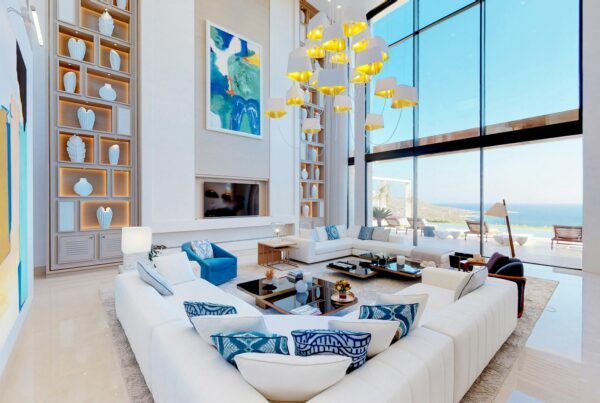
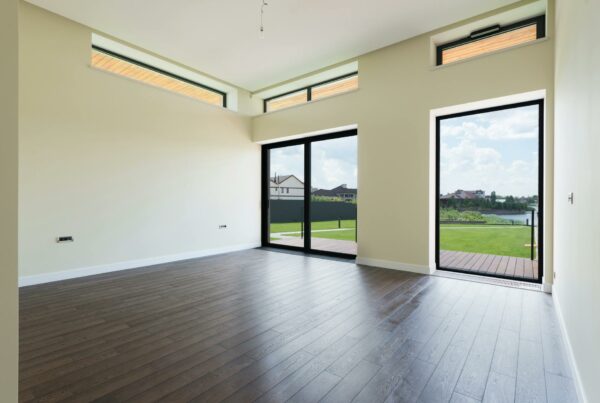
Natural light is the ideal against which all artificial light is measured. Spaces that receive abundant natural light throughout the day tend to feel more alive, more spacious, and more psychologically nourishing than spaces that receive little direct sunlight. If you are choosing between rooms for a home office, bedroom, or any other space where you spend significant time, the direction and quality of its natural light should be among the most important factors in your decision.
Where natural light is limited, thoughtful artificial lighting can compensate meaningfully. The key is to think in terms of circadian compatibility: brighter, cooler light during morning and daytime hours supports alertness and energy. Warmer, dimmer light in the evening supports the transition to relaxation and eventual sleep. Many smart lighting systems can be programmed to shift automatically through these states throughout the day, providing what is sometimes called circadian lighting that mimics the natural progression of sunlight in its color temperature and intensity.
In every room, consider how natural and artificial light sources interact. Position reading chairs and work surfaces near windows to maximize natural light during daytime use. Hang mirrors across from windows to reflect and amplify available light. Choose window treatments that allow diffused natural light rather than blocking it entirely during the day. These choices compound to create homes that feel genuinely bright and alive rather than dependent on artificial light for basic illumination.
Temperature and Air Quality
Thermal comfort is so fundamental to our sense of well-being in a space that we often take it completely for granted until it is absent. A room that is too hot to concentrate in, too cold to relax in, or characterized by air that feels stuffy and stale creates a subtle but persistent background discomfort that prevents any environment from feeling truly right regardless of its visual qualities.
The thermal environments that support different activities differ meaningfully. Sleeping is most comfortable at temperatures between 65 and 68 degrees Fahrenheit for most people. Mental focus work benefits from slightly cooler environments, around 68 to 72 degrees. Relaxation and social activities work better at slightly warmer temperatures, from 70 to 74 degrees. Where possible, creating the ability to adjust temperature specifically in different zones of your home, or at different times of day, allows each activity to occur in its optimal thermal environment rather than requiring constant compromise at a single whole-home setting.
Air quality goes beyond temperature to include humidity, particulate matter, volatile organic compounds (VOCs) from building materials and furnishings, and biological contaminants including mold spores and allergens. Improving indoor air quality significantly improves the experience of every room in the home for everyone who spends time in it. Regular HVAC filter changes, proper ventilation especially in kitchens and bathrooms, maintaining indoor humidity between 40 and 60 percent, and choosing low-VOC materials for furniture and finishes where possible are all meaningful contributions to air quality that affect daily experience more than most aesthetic design decisions.
Plants contribute to both the beauty and the air quality of home environments in ways that decades of research have consistently supported. While a single potted plant does not filter indoor air as dramatically as a HEPA air purifier, a home with numerous plants and thoughtful ventilation practices has measurably better air quality than one without. More importantly, the psychological effect of living plants, the sense of vitality and natural connection they provide, contributes to the environment’s emotional quality in ways that have nothing to do with air chemistry.
Acoustic Environment
Sound is the environmental dimension most consistently underestimated by homeowners and most consistently noted by designers as one of the most significant contributors to whether a space feels comfortable and restorative. The acoustic character of a room, whether it is reverberant and harsh or warm and absorptive, affects our nervous system continuously and either supports or undermines our ability to relax, focus, and connect with others.
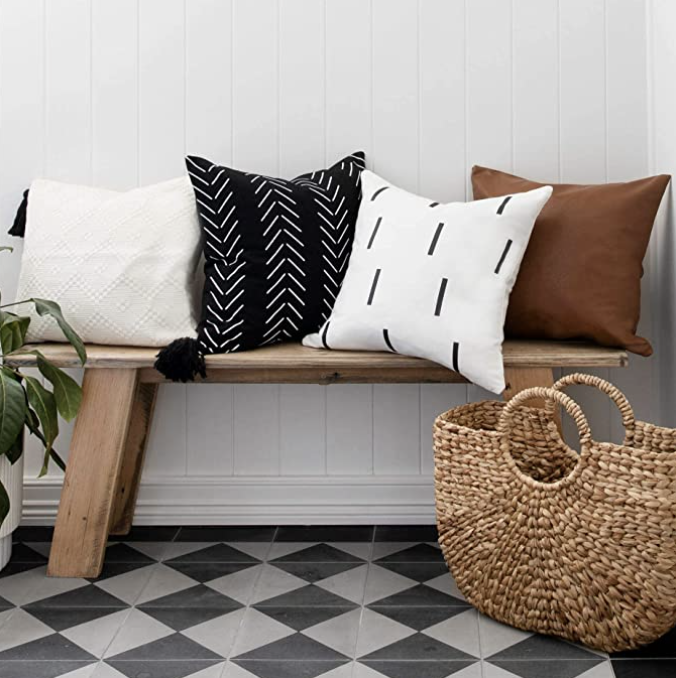
Hard, parallel surfaces create echo and reverberation that make rooms feel cold and harsh. Spaces with concrete floors, plaster walls, and minimal furnishings amplify every sound, including speech, music, and the general noise of household life, in ways that create an unconsciously stressful environment. Adding soft furnishings, area rugs, upholstered furniture, curtains, and bookshelves filled with books addresses this problem in most residential rooms without any specialized acoustic treatment.
Noise from outside the home and between rooms within the home affects environment quality significantly. Windows and doors are the primary pathways for exterior noise intrusion. High-quality insulated windows dramatically reduce exterior noise transmission. Solid-core interior doors reduce sound migration between rooms more effectively than hollow-core doors. Sealing gaps around doors with proper weatherstripping and door sweeps addresses the air gaps that allow sound to travel even when a door appears solid.
White noise or nature sounds played through a speaker can mask intermittent noise intrusions that disturb sleep or concentration, providing a consistent acoustic background that makes variable noise sources less perceptible. Many people find that background music at low volume serves a similar function in work spaces, providing an acoustic baseline that makes the occasional intrusive sound feel less jarring. The key is keeping the background sound at a level that masks intrusions without itself becoming a distraction.
Scent and Olfactory Environment
Scent is the most emotionally powerful sense, with olfactory signals processed directly by the brain’s limbic system in a way that creates immediate, powerful emotional associations without the filtering and interpretation that other senses involve. A home that smells wonderful creates a positive emotional response that begins at the door and continues throughout every room, contributing to the overall sense of well-being that good environment design creates.
The primary contributors to home scent are cooking smells, cleaning products, personal care products, building materials, pets, and whatever you deliberately introduce through candles, diffusers, or fresh scent sources. Establishing a positive baseline scent requires addressing any negative sources first: cooking ventilation that adequately removes cooking odors, pet cleaning and air filtration routines that prevent accumulated pet scent, and adequate ventilation of all rooms to prevent musty or stale odor buildup.
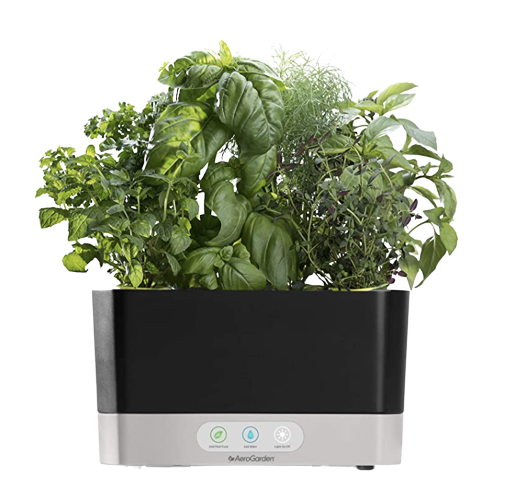
Fresh scent sources are a considered element of environment design in the most beautifully maintained homes. Fresh flowers, which combine visual beauty with fragrance in a single element, are the most versatile and universally appealing choice. Scented candles in quality fragrance blends, diffusers with high-quality essential oil blends, and fresh herbs growing on a kitchen windowsill all contribute a scent dimension to the home environment that makes it feel more sensory and more complete.
Fragrance preferences are deeply personal and culturally variable. The important principle is intentionality: choosing scents that feel genuinely right for the space and for your household rather than defaulting to whatever is convenient or familiar. A home office might benefit from the focus-supporting scent of rosemary or mint. A bedroom benefits from the calm-inducing quality of lavender or bergamot. A living room might center on a warm, welcoming combination of vanilla and sandalwood that creates the olfactory impression of warmth and welcome that the room is designed to deliver.
Color and Visual Environment
Color affects mood and emotional state through mechanisms that operate largely below conscious awareness, which is why color choices in interiors have effects that often feel inexplicable but are quite real. Research has consistently linked specific color qualities with specific psychological effects: warm saturated colors tend to increase energy and appetite while shortening perceived time. Cool, desaturated colors calm, expand apparent space, and lengthen perceived time. Earth tones ground and stabilize. Bright, natural tones energize and uplift.
Creating the right color environment for each space in your home means understanding both the space’s function and the emotional tone you want to support in it. A bedroom intended for rest benefits from calm, cool, or earth-toned colors rather than energizing warm saturates. A dining room intended for convivial gathering and appetite benefits from the warmth and stimulation that deep, warm tones provide. A home office benefits from colors that support focus without overstimulation, typically clean neutrals with a single accent that provides visual interest without distraction.
The interplay between wall color, furnishing colors, and the colors of natural and artificial light within the room creates the actual color experience of the space, which differs from both the color on the paint chip and the color in the showroom. Testing paint samples on the actual walls and observing them under both natural and artificial light at different times of day before committing is essential to achieving the color experience you are designing toward.
Personal Expression and Meaning
The final and perhaps most important dimension of creating the right environment at home is the presence of meaning. A space that is beautifully designed but entirely impersonal, one that could belong to anyone without revealing anything about the specific people who live in it, feels fundamentally incomplete regardless of how successfully it delivers on lighting, temperature, acoustics, and scent. The right environment is yours specifically, and it contains evidence of who you are, what you value, and what you love.
Books you have read and loved, artwork that moves you, photographs of people and places that matter, objects collected on travels or inherited from family members, plants that you have grown and tended: these are the elements that transform a well-designed space into a home. They are the elements that make a room feel inhabited and alive rather than staged for display. They are also, paradoxically, the elements that guests most often respond to and remember, finding in the specific objects of your life the evidence of a person worth knowing.
Curating these personal elements thoughtfully, so that they are displayed intentionally rather than accumulated without regard for composition, scale, or relationship, is the last and most personal layer of environment creation. It takes the impeccably designed room and makes it unmistakably yours. That quality, the sense that a home could only belong to the people who live in it, is the quality that all the other environmental considerations are ultimately working toward. It is what makes the difference between a beautiful space and a home.