
Last Updated on May 28, 2026
Some plants are content to sit quietly in a corner, doing their green work without demanding attention. Others walk into a room and command it. If you are looking to add real drama to your interior or exterior, the plants that stop people mid-sentence are worth knowing. This guide covers statement plants that bring genuine visual impact, along with what each one needs to thrive and how to use it to its best advantage in your space.
Fiddle Leaf Fig
Few indoor plants have the kind of architectural presence that the fiddle leaf fig brings. Its enormous, violin-shaped leaves in deep, glossy green create an unmistakable silhouette that works equally well in contemporary, bohemian, and traditional interiors. A mature fiddle leaf fig in a well-chosen pot is not just a plant; it is a furniture-level design decision.
The fiddle leaf fig thrives in bright, indirect light and prefers consistent conditions. It is famously sensitive to drafts, temperature changes, and being moved around, which is worth knowing before you commit to placement. Find its spot, commit to it, and the plant rewards you with steady, impressive growth. In our complete fiddle leaf fig care guide, you will find everything you need to keep yours healthy through every season.
Monstera Deliciosa
The monstera is one of the most recognizable plants in contemporary interior design, and with good reason. Its fenestrated leaves, those large, glossy panels with their dramatic natural holes and splits, create a bold graphic statement that photographs beautifully and reads powerfully in a room. A large monstera in a terracotta pot next to a neutral sofa is one of the most effective interior styling moves you can make.
Monsteras are more forgiving than they look. They adapt to a range of light conditions, though they thrive in bright, indirect light, and they are tolerant of occasional missed waterings. As they grow, they benefit from a moss pole or support structure that lets them climb in their natural habit. Our monstera care guide covers everything from ideal positioning to what to do when those dramatic leaves start to look less than their best.
Bird of Paradise
The bird of paradise is the plant you choose when you want something that looks genuinely tropical and theatrical. Its long, paddle-shaped leaves on upright stems grow tall and full, creating a lush, sculptural mass that fills a corner the way almost nothing else can. In the right conditions, mature plants produce extraordinary orange and blue flowers that look too dramatic to be real.
This is a plant that rewards bright light. It needs consistent warmth, a large pot with good drainage, and patience: bird of paradise grows slowly but becomes more spectacular every year. Position it as a focal point in a south or west-facing room and give it the space it deserves. A well-suited decorative planter like a tall decorative plant pot elevates the display and keeps it looking intentional rather than incidental.
Cactus and Sculptural Succulents
For dry, sun-filled spaces where tropical varieties struggle, the architectural qualities of cacti and large sculptural succulents are unmatched. A towering column cactus, an agave with its sharp, symmetrical rosette, or a cluster of mixed cacti in varying heights and textures creates a display that is genuinely bold and completely low-maintenance.
The visual power of cacti comes from contrast: their rigid, often spiky forms against soft furniture, their pale dusty greens against warm terracotta, their stillness against the movement of other plants. Group specimens of different heights and widths for the most dramatic effect, and let the container do some visual work alongside the plants. A shallow terracotta bowl with a cluster of varied cacti in a sunny windowsill is one of the most effortlessly stylish plant arrangements you can create.
Elephant Ears
For those who want tropical drama without the height requirements of a bird of paradise, the elephant ear delivers. Its enormous leaves, which can reach up to 60 centimeters in length, come in lime green, dark purple, and near-black varieties that add extraordinary color and scale to both indoor and outdoor spaces. In a large container by a pool, a sheltered terrace, or inside a bright conservatory or sunroom, elephant ear is a plant that makes an immediate, visceral impression.
It needs warmth, consistent moisture, and a large container with excellent drainage. In colder climates it is typically grown as an annual or brought inside over winter, which limits its permanence outdoors. But for the months it is at its best, the visual payoff is considerable.
Olive Tree
For something with a quieter, more studied elegance, the olive tree is extraordinary. Its silver-green foliage, gnarled branches, and association with Tuscan landscapes brings a particular quality of calm sophistication that fits beautifully in both modern and traditional interiors. In a large pot by a bright window or on a sunny terrace, a well-shaped olive tree adds structure and character that no smaller plant can replicate.
Olive trees prefer full sun and well-draining soil and are more tolerant of underwatering than overwatering. They are slow-growing and long-lived, which means a quality specimen is a genuine investment that rewards patience. For outdoor spaces, they bring a Mediterranean quality to a terrace or garden that works in almost any architectural context.
Snake Plant
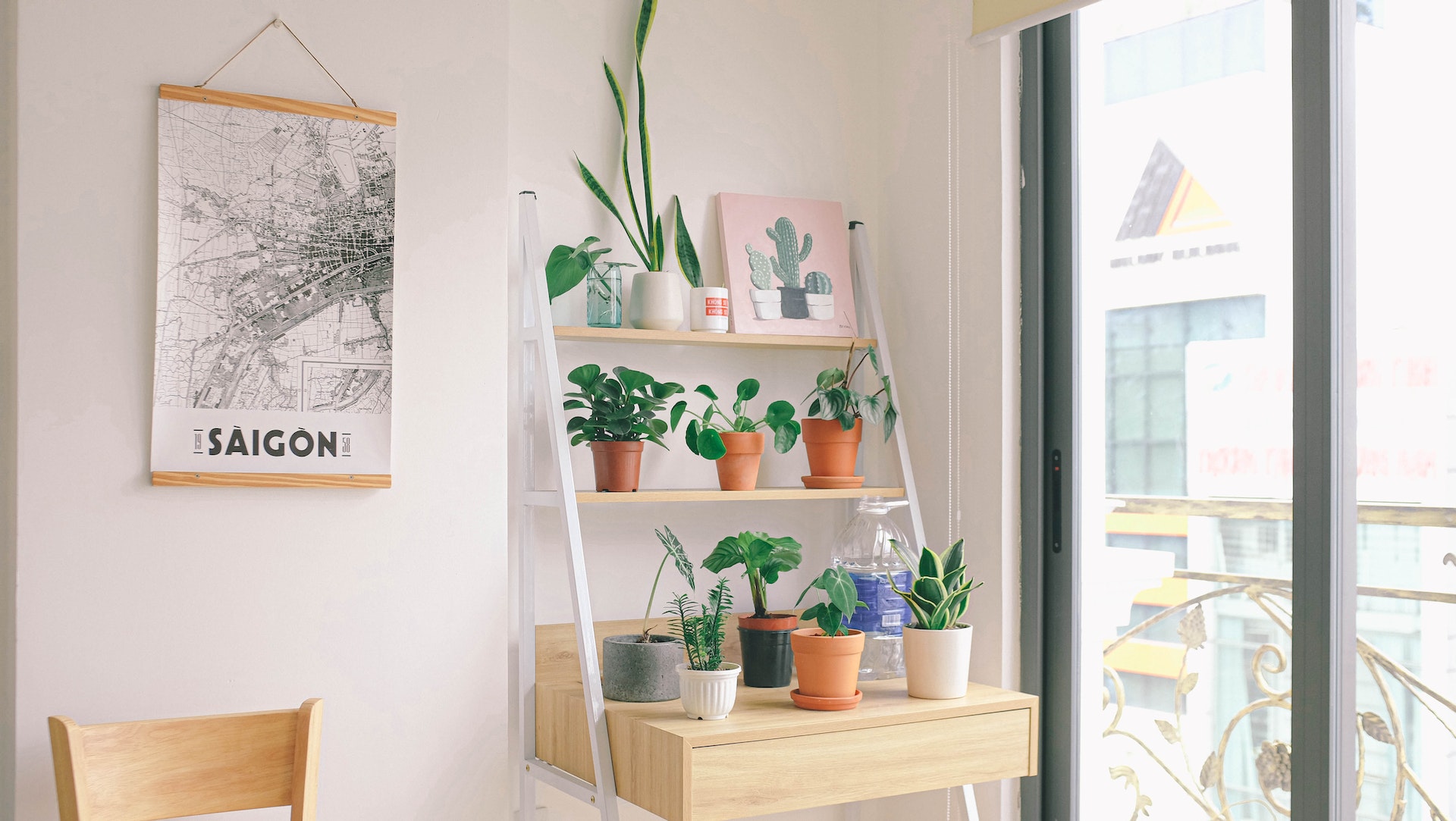
No list of statement plants would be complete without the snake plant. Its architectural, upright leaves with their dramatic variegation patterns make it one of the most striking low-maintenance options available. In a bold ceramic pot or a cluster of varying sizes, snake plants create a sculptural, almost graphic effect that suits modern, minimalist, and bohemian interiors equally well.
The snake plant’s reputation for near-indestructibility is well-earned: it tolerates low light, irregular watering, and neglect with equanimity. If you want maximum visual impact with minimum maintenance risk, it is hard to beat. Our comprehensive snake plant care guide covers everything you need to keep yours looking its dramatic best.
Verbena and Flowering Statement Plants for Outdoor Spaces
For outdoor spaces, statement plants do not have to be large to be impactful. Verbena, with its cascading habit and vivid clusters of purple, pink, and white flowers, spills beautifully from raised planters, window boxes, and terrace containers. Its long flowering season and heat tolerance make it a reliable choice for outdoor color that lasts from late spring through to first frost.
For maximum outdoor impact, combine verbena with taller architectural plants: a column cactus in a cluster of pots, an olive tree standard as the centerpiece, and cascading verbena at the base creates a layered, sophisticated display. A quality tiered plant stand can help you create these layered arrangements even on a small terrace or balcony.
Choosing the Right Plant for Your Space
The most impactful plant choices are the ones that suit the specific conditions of your space. Light is the determining factor. Bright, direct sun suits cacti, agave, olive trees, and bird of paradise. Bright indirect light works beautifully for fiddle leaf figs, monsteras, and elephant ears. Lower light conditions, while limiting, still support snake plants, ZZ plants, and pothos in their statement-making potential.
Scale matters as much as species. A small plant in a large room disappears. A large plant in a small room dominates in the best possible way. When in doubt, choose a larger specimen than you think you need and give it the container and position it deserves. For more guidance on building a beautiful indoor plant collection from scratch, our guide to easy houseplants for beginners is the ideal starting point.