
Last Updated on October 24, 2023
We all crave an escape from the daily grind. A space to dive into our interests and passions. For many, a home gym represents that coveted retreat. A personal sanctuary to get healthier, stronger, and more energized. No more jostling through crowded gyms or sitting in traffic to make it to a class. Just walk downstairs to your little fitness paradise.
The vision seems inviting. But how does one create this fitness oasis? By embracing the journey step-by-step. With a little planning and elbow grease, you can carve out your workout niche. Let’s explore how to make your home gym dreams a reality.
Why a Home Gym Just Makes Sense
Working out at home offers some tangible benefits. No more rushing from the office to squeeze in a gym session before they close. No more scheduling your life around exercise class times. Just head straight to your gym anytime it’s convenient. Now that’s freedom.
Beyond the convenience, a home setup lets you customize your workouts. Mix up strength training, yoga, high-intensity interval training, or casual stretching. Whatever matches your mood and needs for the day. A workout trampoline for adults can be a fun way to get in some cardio at home while going easy on your joints.
Let’s not forget the financial benefits too. Kiss those pricey gym memberships goodbye. That money can now go to equipment and resources tailored just for you.
With perks like convenience, personalization, and affordability, it’s easy to see the appeal of creating your own workout space. But where do you start?
Unleashing Your Space’s Potential
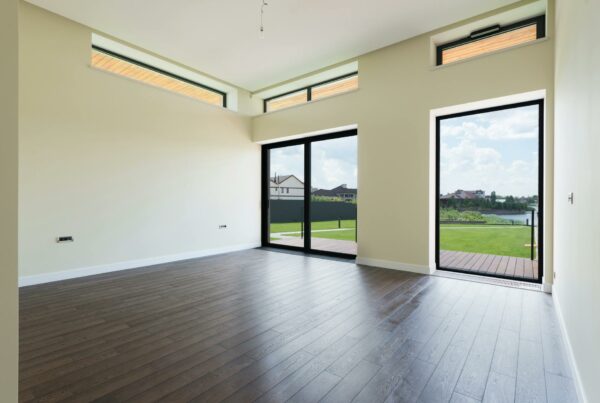
The first step is assessing the possibilities within your existing space. Grab a tape measure and notebook. Sketch out the layout including doors, windows, and permanent built-in elements. Identify areas you can modify.
Scope out underused nooks. Could that empty corner fit a compact rowing machine? Does your garage have room for a power tower? Even a closet can morph into a yoga sanctuary.
When selecting equipment, look for versatile and compact options. Multi-functional power towers offer a complete workout in a small footprint. Meanwhile, resistance bands require next to no storage space but add variety to strength routines.
Optimizing your space is like a puzzle. But the payoff – your personalized in-home gym – makes it worthwhile.
Choosing the Right Pieces for Your Fitness Puzzle
Now for the fun part – curating your equipment collection. Consider must-have basics that deliver a full-body workout:
- The Trusty Workhorse – Adjustable Bench: This versatile bench adapts to various exercises, making it foundational. Seek out durable construction and multiple adjustments.
- The Total Package – Power Tower: This all-in-one combines a pull-up bar, dip station, and knee raise station for upper and lower body training. Choose steel-framed for stability.
- Cardio Training – Indoor Cycle Bike: Stationary bikes allow cycling year-round. Look for dual-action models to switch up seated and standing routines.
- Efficient and Effective – Rowing Machine: Rowers target arms, legs, cardio, and core in one movement. Bonus – many fold up for compact storage when not in use.
- Simple Yet Mighty – Pull-up Bar and Push-up Station: Enhance strength training with these budget-friendly basics. Opt for sturdy and safe equipment.
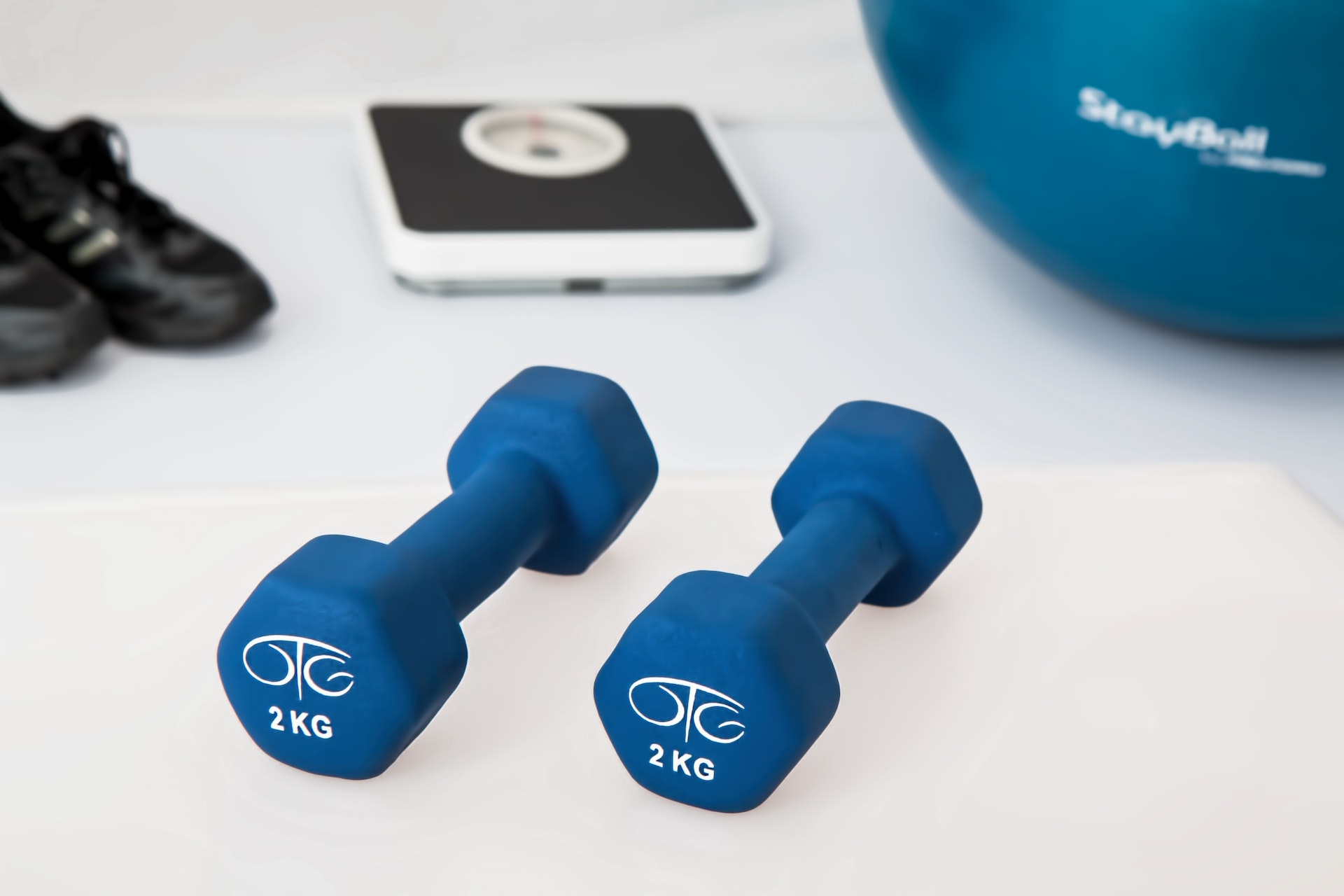
- The Finishing Touches – Free Weights: Select the barbells, dumbbells, and kettlebells that align with your goals. Organize them neatly on shelves or racks.
Analyze your objectives, then choose equipment to match. Avoid going overboard and overspending on unnecessary items. A thoughtfully curated collection leads to focused, clutter-free workouts.
Organization for an Optimal Workout Experience
An organized space means effective workouts and zero wasted time. After all, who wants to trip over strewn weights before a workout? Not a recipe for motivation.
Start by designating easy-access storage areas. Stow bulky cardio machines away from high-traffic zones. Use closets or shelving to organize weights within reach.
Get creative to save space. Mount wall racks to hold dumbbells vertically. Use cargo nets to contain exercise balls and bands. Hang foam rollers and yoga mats from hooks.
Grouping similar items also streamlines access. Store free weights together on shelves rather than spreading them around. Designate baskets or bins for smaller accessories like gloves and belts.
An uncluttered, well-organized gym lets you focus on your workout and get in the zone. But maintaining order is ongoing. Build in time for regular equipment checks and tidying. Commit to returning items to their homes after each sweat session.
Pulling Your Home Gym Oasis Together
Creating your ideal fitness space requires fusing vision and practicality. You need to assess, curate equipment, and keep things organized. But the payoff is invaluable: your sanctuary for improving your body and clarity of mind.
To start, clarify your intentions for this space. Is it intended for relaxation after a hectic day, pushing your physical capabilities, or creating a peaceful and restorative atmosphere?
Then make choices to support those goals. Select equipment to keep workouts engaging. Incorporate mood-lifting elements like sunlight, plants, or music. Display motivational quotes on the walls. Every detail aims to enrich the experience.
The process takes patience and dedication. But soon you’ll have a space you eagerly return to daily. A place that rejuvenates your mind, strengthens your body and fuels your spirit. Your coveted home gym oasis.
Bringing Your Home Gym Vision to Fruition
Creating your fitness sanctuary may seem intimidating at first. But take it step-by-step, and soon you’ll be reaping the rewards of customized workouts in your haven. Here are some tips to guide you:
- Opt for multi-use equipment like towers and resistance bands to maximize limited areas.
- Thoughtfully organize equipment for easy access. Use storage solutions that suit your space.
- Incorporate motivating details – uplifting music, natural light, and inspirational quotes. Make it inviting.
- Curate equipment that enables your ideal routines based on your goals.
- Maintain order through regular cleaning and storage. A clutter-free gym sets you up for success.
- Savor the journey of building your perfect workout retreat. Each step brings you closer.
We all need sanctuaries from the demands of everyday life. Craft your home gym into a personal oasis by infusing it with intention, care, and a touch of creativity. The outcome will be your coveted fitness paradise – a space to lift your body, mind, and spirit.
Conclusion
Turning your living space into a fitness haven is a rewarding journey that brings a host of benefits right to your doorstep. With careful planning and a dash of creativity, you can craft a personalized home gym that not only caters to your fitness goals but also provides a sanctuary for relaxation and rejuvenation.
The convenience of working out on your schedule, the freedom to customize your routines, and the cost-saving advantages all make a compelling case for creating your fitness oasis. By optimizing your space, selecting the right equipment, and maintaining an organized environment, you’ll ensure that your home gym remains an inviting and motivating place for daily workouts.
So, embrace the transformation step by step, and soon you’ll be enjoying the physical and mental rewards of your very own fitness paradise.
Frequently Asked Questions
How can I maximize my workouts in a small home gym?
Prioritize versatile equipment such as adjustable benches and multi-gyms that provide a variety of exercises. Utilize wall spaces and mount storage vertically to maximize your available space.
What are budget-friendly home gym options?
Resistance bands provide an inexpensive option for strength training that can be stored easily. Opt for more budget-friendly cardio machines like jump ropes. Use furniture like chairs for exercises like tricep dips.
How often should I maintain gym equipment?
Check equipment regularly for signs of wear, and tighten any loose bolts. Wipe down machines after each use to prevent buildup and rust. Refer to manufacturer guidelines for specifics on lubricating moving parts.