
Last Updated on October 30, 2023
With its unique blend of luxury and rustic charm, Jackson Hole has become a beacon for travelers seeking an unparalleled vacation experience. However, what adds to the appeal is the wide range of Jackson Hole home rental choices that accommodates every type of traveler.
The Allure of Jackson Hole Home Rentals
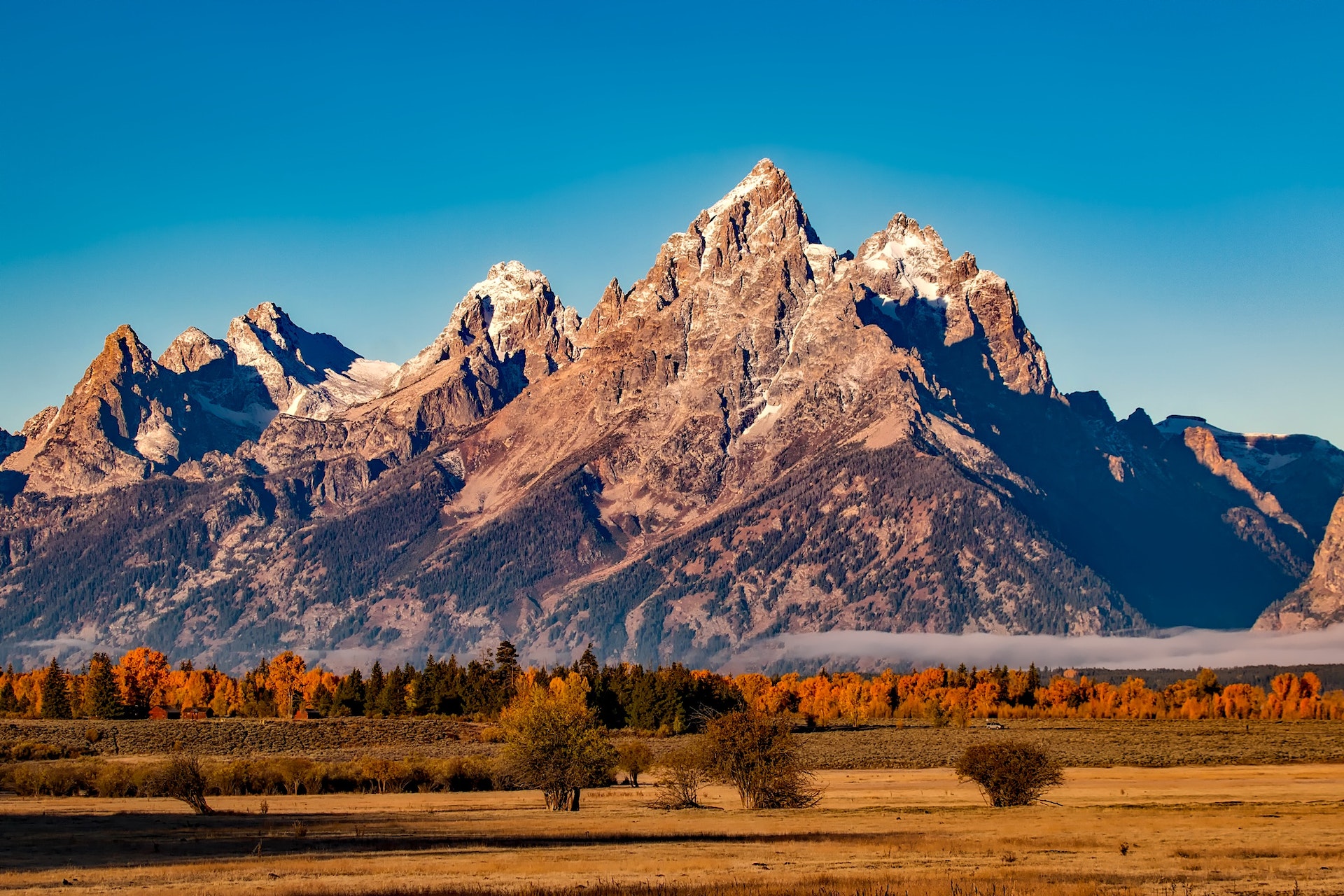
Jackson Hole offers luxury and charm, making it a sought-after vacation destination. Nestled between the Teton Mountain Range and the Gros Ventre Range, this alpine community provides jaw-dropping scenery and endless outdoor recreation.
From hiking and fishing to skiing and snowboarding. Jackson Hole attracts themselves to nature while enjoying upscale amenities.
Visitors can experience the frontier spirit of the Old West with modern luxuries, Historic log cabins equipped with hot tubs overlooking the mountains exemplify this fusion. This provides visitors with the chance to disconnect from the daily grind and relax in style.
Apartments and Condos
If you’re traveling solo or with a partner, you want to stay luxurious place, apartments and condos are perfect. They’re often right downtown, so you can walk to or take a short drive to all the best spots in Jackson Hole.
These comfortable Jackson Hole home rentals comfort spaces like a kitchen, washer, and Wi-Fi. These are the essential things for an easy escape. Some condos even offer ski-in/ski-out access during winter getaways. For those seeking adventure by day and relaxation by night, an apartment or condo rental is a great fit.
Houses and Townhomes
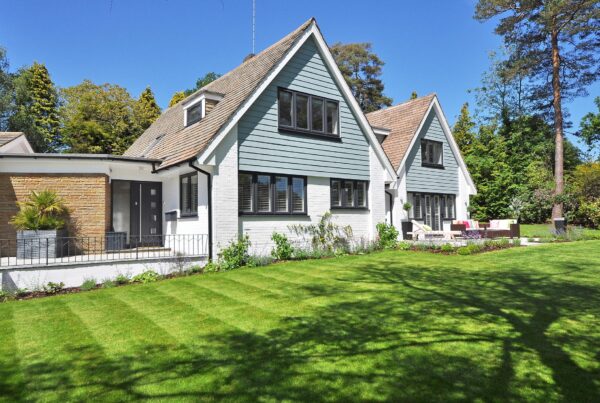
If you’re traveling with family, a group of friends, or for a business retreat, houses and townhomes are the way to go. They let you enjoy quality time together while still having your own space. You can choose from 2 to 5-bedroom options, this gives everyone plenty of room without giving up convenience.
These rentals come with full kitchens, bathrooms, and spacious living areas. They often have cozy features like backyards, patios with grills and family rooms that make you feel right at home.
Luxury Collections
On the top tier, an array of luxury collections featuring multi-million dollar properties. From enormous mountainside estates to elegant ski chalets, these rentals are the epitome of luxury and sophistication.
Eight bedroom big homes situated on acres of land, this provides the utmost privacy and exclusivity. Meanwhile, luxury condos right in the heart of the town immerse guests with places that have high-end shops, renowned dining options, and a vibrant nightlife scene.
These luxury condos come with amenities like home theaters, hot tubs, and kitchens. For vacationers seeking the ultimate indulgence, Jackson Hole’s premier rentals deliver.
Amenities That Elevate the Experience
The range of rental choices is appealing, tut it’s the amenities that take the Jackson Hole experience to the next level. Picture staying in a place where the typical rental rates don’t offer a roof, this promises a lavish and indulgent experience.
Having air conditioning in the mountain climate is a also big relief. During hot summer days and a cozy retreat from the winter cold after a day on the slopes.
The in-home fireplaces not only provide warmth but also set the stage for cozy evenings in. Whether you’re roasting s’mores with family or sharing a glass of wine by the gas fire pit with your special someone.
Private hot tubs allow travelers to unwind and soak in the beautiful scenery to create memories that will last long after the trip.
Ski choices let winter sports lovers make the most of their mountain time while minimizing the hassle of moving gear around. You can pick up your equipment and start skiing right from your rental’s front door.
These luxuries and conveniences transform rentals into more than a place to sleep, they create an experience designed for pure indulgence.
Special Features of Jackson Hole Rentals
These amenities come with special features unique to rentals. This makes it clear why there’s been a surge in demand. In fact, the growth in Jackson Hole rental rates over the years is a testament to the region’s allure.
Sweeping Teton views from floor-to-ceiling windows immediately captivate and inspire guests. The mountain peaks and valleys seen from the comfort of a rental property. This creates memories that will last a lifetime.
Outdoor space heaters enable travelers to enjoy decks, patios, and outdoor seating year-round. Whether you’re coming together for a springtime sunset dinner or on a winter night. These heaters create a delightful evening atmosphere.
Local ingredients like grass-fed beef and organic produce make for unforgettable dining experiences. The chance to take in the area’s striking scenery should be universal.
Rental rates in Teton County increased by 9% between Q4 of 2019 and Q4 of 2020. This indicates a demand for the special features of Jackson Hole rentals. It’s clear these beautiful dwellings provide more than temporary lodging. They help craft once-in-a-lifetime memories and connections.
Choosing the Right Rental for Your Trip
With such compelling features and a trend in demand. It’s essential for visitors to know how to choose the right destination for their trip. This ensures they get the best of what the area has to offer. Factors to consider:
- Proximity to attractions like Grand Teton National Park, downtown, and popular ski resorts
- Amenities that align with your ideal experience. Whether it’s a hot tub, fireplace, or gourmet kitchen
- Your budget and trip duration to find a rental that’s both affordable and suited to your needs
When it comes to securing rental deals, advance planning and flexibility on dates are key. Based on the best options and rates, start your rental search as early as possible. Book before 6-12 months in advance of your stay. Summer runs from June through August, and peak winter from December to March.
Visiting during seasons allows you to avoid the crowds and the highest prices so consider visiting in May or September for temperate weather and autumn’s vivid foliage.
No matter your preferred lodging style or vacation agenda, there’s a fantastic rental ready to launch your adventure. The stunning landscapes, top-notch amenities, and the charm of the Old West converge to create Jackson Hole as an unforgettable destination.
By selecting the perfect rental property that matches your trip’s vision. You’re experienced with elegance and create memories that will last a lifetime.
Bottom Line
To immerse yourself in the Jackson Hole experience with a touch of luxury. It’s essential to choose the perfect vacation rental that aligns with your vision. Whether you prefer a snug downtown condo, a roomy house, or an opulent multi-bedroom estate.
Your choice of accommodation can either make or break your experience. Invest time in which rental features are most important to you so that you can savor Jackson Hole’s natural beauty and unique Western charm.
The lasting memories and comfort of luxury rentals will have you eager to return year after year. Begin your journey by finding the perfect place to call home during your Jackson Hole escape.
Frequently Asked Questions
How does the average cost of Jackson Hole rentals compare with other destinations?
Jackson Hole, while not as expensive as Aspen, Colorado it does come with a premium price tag compared to popular U.S. beach destinations. The surroundings and limited availability of lodging accommodations are the key factors apart from the higher rental rates in Jackson Hole.
Are there any specific regulations or policies to be aware of when renting in Jackson Hole?
It’s worth mentioning that Jackson Hole has strict regulations with short-term rentals, which are in place to a shortage of housing for the local residents. All short-term rentals need a permit and enters should ensure any property they book has a valid short-term rental permit.
What are the top recommendations for first-time visitors?
Seek out properties with features like outdoor patios or decks with mountain views or luxury complexes like Four Seasons that offer elevated amenities right in town. For ski-in/ski-out access, modern condos and lodges in Teton Village, Crystal Springs Lodge and Alpenhof Lodge are superb.