
Last Updated on March 28, 2022
The outside of a commercial building does much for first impressions from clients, customers, and your employees. No one wants to enter a miserable, shabby-looking building. A touch of style and careful planning will vastly improve the exterior of your business.
Whether you’re an experienced landscaper or a business owner looking to revamp your building, follow these inspiring tips for better commercial landscaping.
1. Attract
You want your exterior space to represent your company. A dreary, unkempt look will not illustrate the respected values you work hard towards every day.
Working in an attractive building with good views of the landscape outside will go a long way to improving your client’s and employee’s mental well-being. You want people to feel positive walking into your property.
When planning your landscape, take time to think about what is attractive to you and how you want to come across to others. Plantlife can suggest liveliness and invoke a calm feeling. Introducing furniture might encourage people to stay longer, enjoying your outside space and getting a better impression of your business. However, you choose to style your garden is up to you.
2. Lighting
Lighting is an essential factor to consider when landscaping your commercial property. During the day, you want plenty of sunlight to reach you, so it is important not to let tall trees or bushes create too much shade. Although, you may want to keep some for the hot summer months when people will want to cool down.
You also want to think about how to light up your outside space when it’s dark. When the evenings draw in during winter, you don’t want anyone to feel unwelcome by the shadowy walkway into and out of your building.
There are many different and inspiring outdoor lighting ideas to mark your business out from others. Consider how you can make your lighting friendly. A giant spotlight will be less attractive than smaller wall lights.
3. Plan for pedestrians
The fundamental use of your property’s exterior is to guide people into your building. Your landscaping design has to consider practical use as well as attractiveness. Big, wide paths can be inviting and take into account the different needs of people.
Ensure there is plenty of space for people to move without feeling crowded and keep any greenery well-trimmed near paths.
The paving you use is also an important decision. Gravel, for example, isn’t always practical for a wheelchair or someone in heels and, therefore, unwelcoming. If you’re tight on budget, paving yourself is a more affordable option.
4. Think green
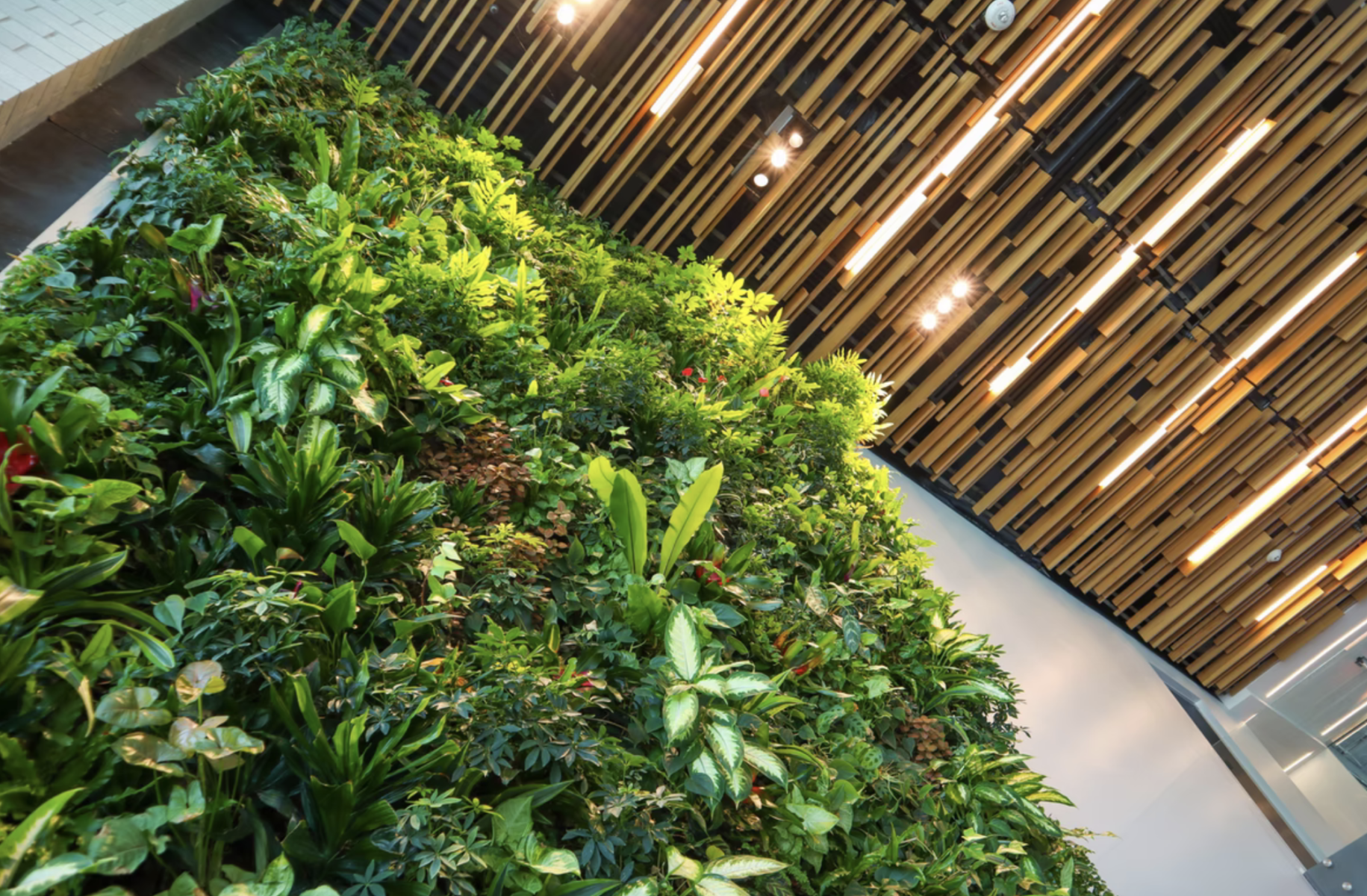
Proving your business’ commitment to sustainability is an authentic way to make a good impression. From planting more local native flowers to avoiding chemicals, a ‘greener’ garden will significantly improve your landscape.
One way to show you’re using your outside space sustainably is to collect rainwater. Harvesting rain in water butts to use on your plants is a net-zero way to keep your greenery looking vibrant and healthy. If you don’t get much rainwater, introduce plants that do better in hotter climates, such as succulents, to reduce the energy required to water.
If you want to get creative, repurpose and recycle other disused objects to make flower pots. For example, an old tire can make a lovely flower bed or hanging basket. Also, think about using Earth-friendly materials for your furniture and to pave your pathways.
5. Cost-effective
An eco-friendly rooftop garden can also be cost-effective as it aims to reduce the energy used. However, there are even more ways you can reduce your maintenance costs and get those bills down.
If you have an extensive area, minimise grass space as it requires a large amount of upkeep to trim and water regularly. Similarly, cutting down on high-maintenance plants will reduce gardening costs. To avoid further running costs, installing solar panels to power your lights will save you money in the long term.
Designing and creating your commercial landscape is a project full of potential. Your outside space needs to be attractive and practical, easily done in sustainable and affordable ways with the proper planning.
It is a chance to individualize your business and make an excellent impression. Whether you want to build a sleek, dynamic space or a relaxing, friendly garden, your landscape is destined to amaze.