
Last Updated on March 28, 2022
Furniture is interior designs intended to support human activities such as seating, eating, and sleeping. Chairs, tables, and beds are items of furniture that are being illustrated. It’s a reality that furniture has a lifespan.
Appliances are a piece of equipment for use at home in the performance of domestic chores—for example, dishwasher, refrigerator, water heater, garbage disposal, and so forth.
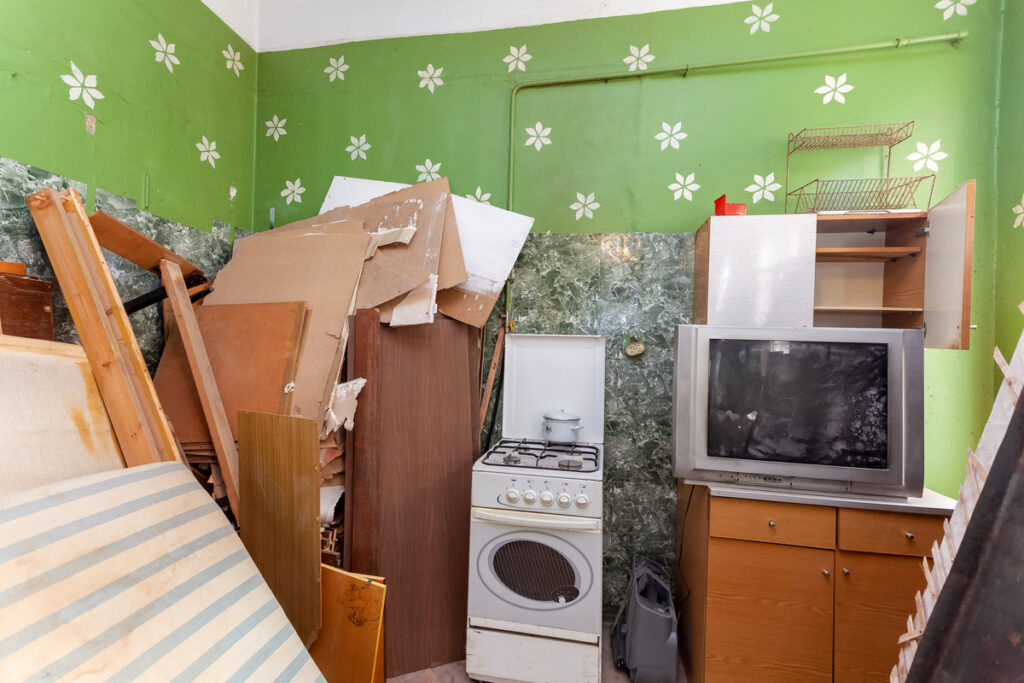
Here are some ideas on how to get rid of unwanted items:
1. Distribute Sentimental Items To Family Members And Friends
Old furniture and appliances can be sentimental. Hence, losing it won’t be an option. Before getting rid of these items in your home, it is an excellent gesture to ask other family members if they won’t mind having a
Also, provide them the whole history of the item to handle it with treasure. You can also gift a friend for remembrance and express their value to you. Decluttering these items helps you to create space in your home.
2. Have An Estate Sale
You may consider having an estate sale for your old furniture and appliances. You can sign up a board and place it in front of the house and the selected table you’re selling.
Most of these items shouldn’t be in bad shape because buyers prefer estate sales to garage sales. With the estate sale, items are cheaper, and they come in bulk when sold.
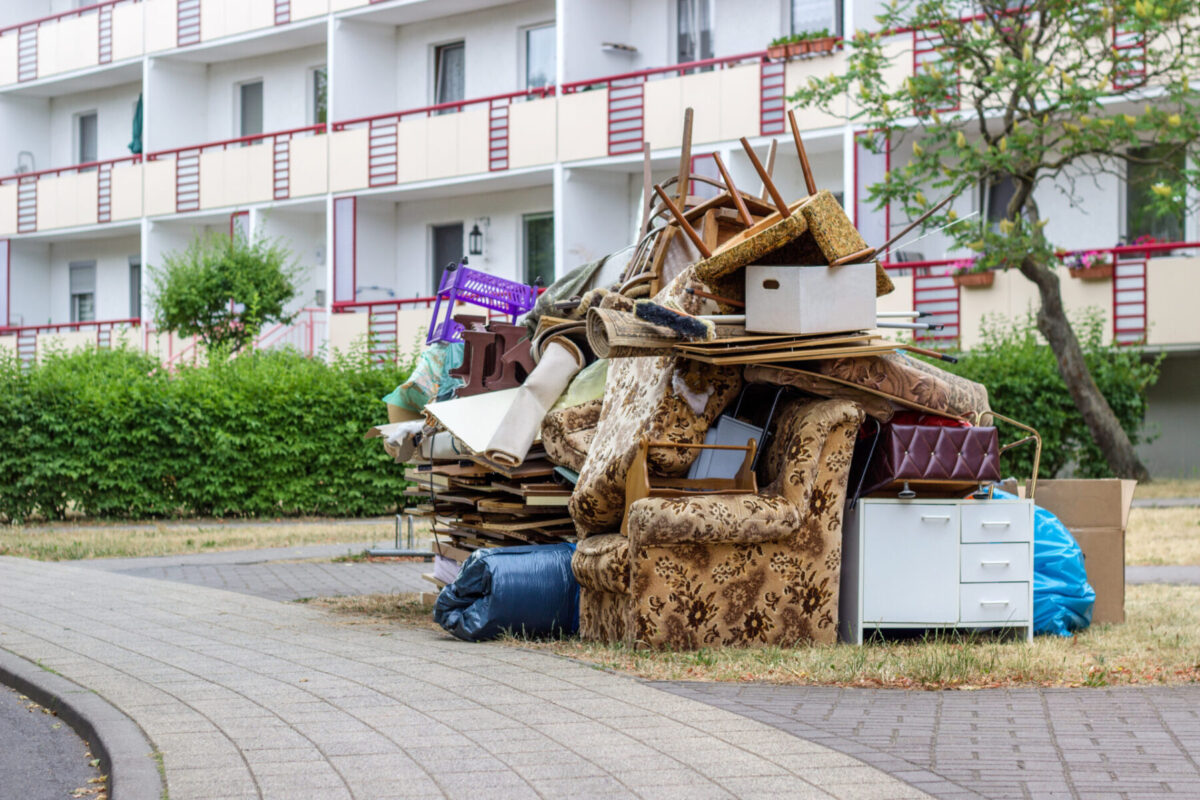
3. Put The Item Out For A Large Trash Pick Up Day
Some places have this trend; they set a day or two in a month or yearly for collection. It helps residents who aren’t able to move their items. Some organizations offer to pick these items for free and take them to charity places to help the needy.
Some companies help to organize this pick-up day at a small fee, such as the good folks at dirtcheaprubbishremoval.com.au/old-lounges-couches/
4. Sell Items Online
Getting an online platform is easy in this generation, making everything more accessible. You can post an advertisement on Facebook marketplace, WhatsApp, following door platforms, and other sites that allow you to list items for sale.
You can get your old furniture and appliances on one of these online platforms for sale.
5. Donate Items To Charitable Organizations
It happens to be one of the best ways to get rid of old furniture and appliances. Donating stuff to the charitable institution is a good gesture to the community in that unfortunate people benefit from it.
Also, getting rid of stuff through this organization is easier for the owner because it moves them for free. It applies to older adults who have no means to carry bulky items.
6. Repurpose The Item
As much as old furniture and appliance may not look presentable anymore, you can repurpose them. You can create an artistic wall, decoration, play kitchen, bathroom storage, clothing closets, and pantries.
You can repurpose the damage if it is extreme and unrepaired.
7. Recycle Centres
For recycling items like those made of metal, you can take them to these centers for recycling. They remove metal and wood from the structure and hence can restructure the item at a small fee.
Your used appliance can be unassembled to recover valuable materials such as copper, steel, and plastic. The scrap metal and plastic components are conceivably recycled to make new metal and plastic products. Recycling is not only a viable alternative but also environmentally responsible.
It is the simplest way to restructure your item hence expanding its lifespan.
8. Go For Exchange Offers
When you’re considering buying a more advanced model of your existing appliance, ask your retailer if it’s willing to take away your old washing machine when they deliver your brand-new device. Some stores will even give you a discount for this kind of arrangement. In other cases, the retailer might charge you an additional fee. Whether it’s the former or the latter, the important thing is that you now have space in your home for your new and improved appliance.
While digging your house, realize you’ve got a lot of unnecessary stuff that was fun having them when you were a kid, but now it gives you anxiety.
Then, you can opt to do the following to get rid of them. Taking it to a recycling center or putting them out for a significant trash pick-up day, repurposing the item, donating them to charitable organization, selling them online, having an estate sale, and distributing sentimental items to family members and friends.