
Last Updated on March 27, 2026

A hanging curtain rod is one of those small details that can completely change the look and feel of a room. Get it right, and your windows look intentional and polished. Get it wrong, and even beautiful curtains fall flat. The good news? Using a hanging curtain rod is simpler than it looks, and once you understand the basics, you’ll wonder why you ever struggled with it.

This guide walks you through everything you need to know about hanging curtain rods, from choosing the right hardware to installation tips that make your windows look like they were styled by a designer.

What Is a Hanging Curtain Rod?

A hanging curtain rod is a horizontal rod mounted above a window that holds curtains or drapes in place. Unlike ceiling-mounted track systems, hanging curtain rods attach to the wall (or ceiling in some cases) using brackets. They come in a huge variety of materials, finishes, and styles to match any decor, from farmhouse to mid-century modern to glam.

The term “hanging curtain rod” can also refer to rods that hang from the ceiling rather than attaching to the wall, making them perfect for open spaces, room dividers, or windows where drilling into the wall isn’t an option.

Types of Hanging Curtain Rods

Traditional Wall-Mounted Rods

The classic choice. These rods attach to the wall via brackets on either side of the window. They’re sturdy, easy to find, and work with nearly every curtain style. Traditional rods often feature decorative finials on each end and can be made from wood, metal, or plastic. If you want a timeless, elegant look, this is your best bet.

Tension Rods

No drilling required. Tension rods use spring pressure to stay in place between two walls or inside a window frame. They’re ideal for lightweight curtains, rental apartments, or anywhere you need a no-commitment solution. The downside? They’re not great for heavy drapes and can slip over time.

RELATED  Easter Home Decor Ideas 2026

Ceiling-Mounted Rods

For a dramatic, floor-to-ceiling look, ceiling-mounted curtain rods are a game-changer. They create the illusion of taller ceilings and work beautifully in living rooms, bedrooms, and dining spaces. These rods drop down from the ceiling via brackets, letting curtains hang from a greater height for a luxurious, tailored effect.

Traverse Rods

Traverse rods have a pulley mechanism that lets you open and close curtains by pulling a cord or wand. They’re functional and great for wide windows or patio doors where you want easy curtain movement. While not the most decorative option, they’re practical and can be paired with a decorative valance to hide the hardware.

Double Rods

Double rods hold two layers of window treatments, like a sheer panel plus a heavier drape. This combination gives you full light control throughout the day, and the layered look adds depth and sophistication to any room.

How to Hang a Curtain Rod Step by Step

Step 1: Measure Your Window

Start by measuring your window width. Your curtain rod should extend 6 to 12 inches beyond the window frame on each side. This lets the curtains stack off the glass when open, making your window look wider and letting in maximum light.

For height, hang the rod 4 to 6 inches above the window trim for a standard look, or as close to the ceiling as possible for a dramatic, elongated effect. The higher you hang the rod, the taller your ceilings will appear.

Step 2: Mark Your Bracket Positions

Use a pencil to mark where your brackets will go. For most windows, two brackets (one on each side) are enough. For rods wider than 60 inches, add a center support bracket to prevent sagging. Use a level to make sure your marks are perfectly even, because a crooked rod is one of the most obvious mistakes in any room.

RELATED  9 Pro Tips for Moving Furniture

Step 3: Find the Studs or Use Wall Anchors

If you can mount brackets into wall studs, do it. Studs provide a much more secure hold than drywall alone. If studs aren’t in the right spot, use drywall anchors rated for the weight of your curtains. Heavy velvet drapes need different support than sheer linen panels, so check the weight limit on your hardware.

Step 4: Install the Brackets

Drill pilot holes at your marked spots, then screw in the brackets. If you’re using wall anchors, tap them in first before inserting the screws. Make sure each bracket is secure and doesn’t wobble before moving on.

Step 5: Thread Your Curtains

Before placing the rod in the brackets, thread your curtains onto the rod. Whether you’re using rings, grommets, rod pockets, or tab tops, get everything sorted at floor level so you’re not wrestling with fabric while balancing on a step stool.

Step 6: Set the Rod in Place

Lay the rod across the brackets and tighten any set screws that hold the rod in place. If your rod is adjustable, extend it to the right width before securing. Step back and check that the curtains hang evenly and the rod is level.

Tips for Making Your Curtains Look Designer

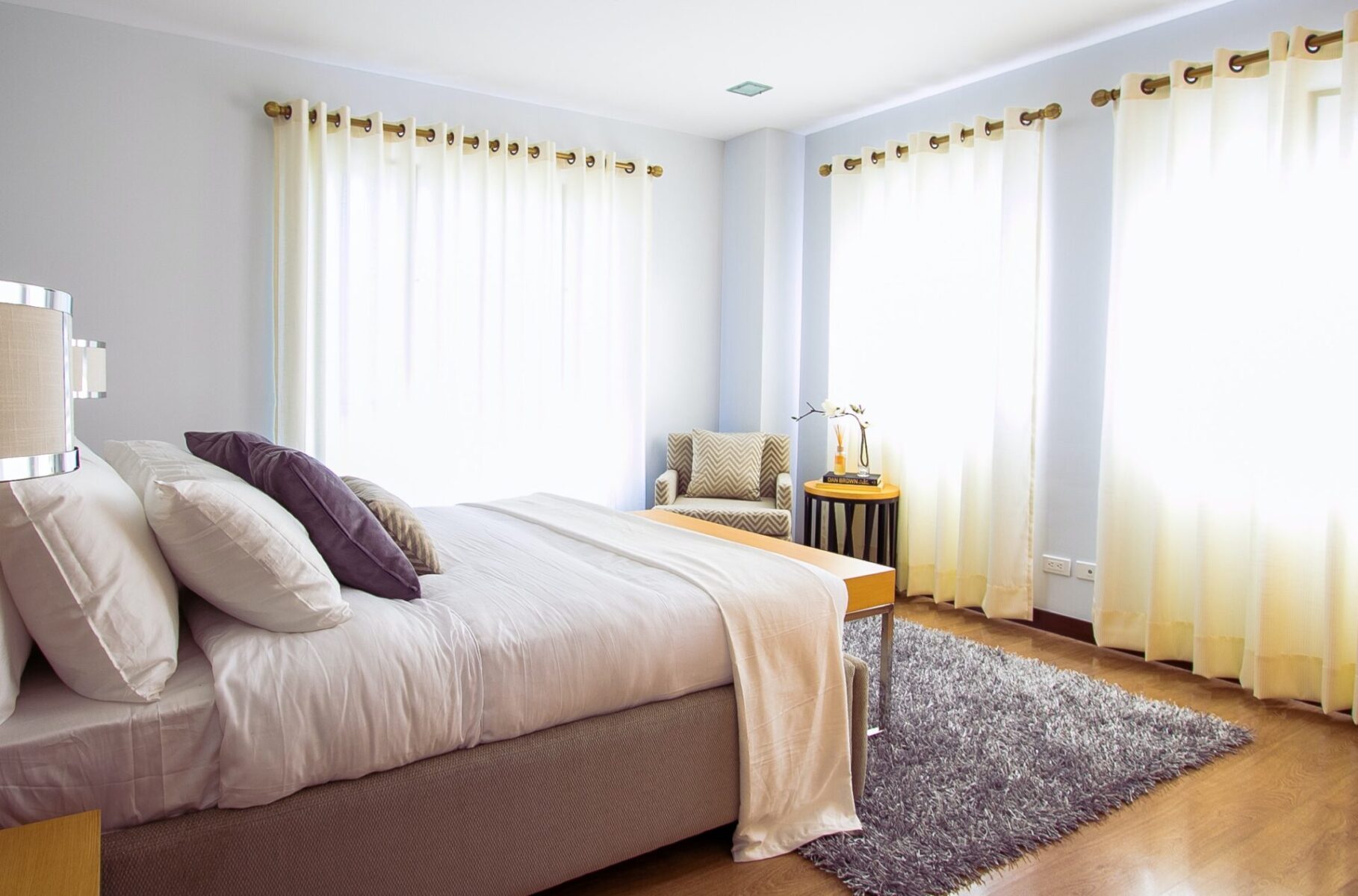
A few styling tricks go a long way when it comes to curtains. First, always hang curtains higher and wider than the window. This is the single biggest difference between a room that looks polished and one that looks like an afterthought.

Second, let your curtains pool slightly on the floor or just graze it. Curtains that stop an inch above the floor look awkward. Aim for a gentle puddle or a clean break right at the floor.

Third, use curtain weights along the hem to keep panels hanging straight, especially sheers that like to billow. And if your curtains arrive wrinkled from the package, hang them in the bathroom while you run a hot shower. The steam relaxes most wrinkles without any ironing needed.

RELATED  Rat vs. Mouse: What's the Difference in Control Strategies

Common Mistakes to Avoid

Hanging the rod too low is the most common error. Low rods make windows look small and ceilings look short. When in doubt, go higher.

Using the wrong rod length is another one. A rod that barely covers the window leaves no room for curtain stacking and blocks light even when the curtains are “open.”

Finally, don’t skip the level. Even a slightly tilted rod is obvious once the curtains are up, and it’s much easier to fix during installation than after.

Choosing the Right Rod for Your Style

Match your curtain rod to the room’s overall aesthetic. Matte black rods look sharp in modern and industrial spaces. Warm brass is at home in traditional or maximalist rooms. Brushed nickel bridges the gap between contemporary and classic. Wood rods add warmth and texture to bohemian or farmhouse-inspired spaces.

When in doubt, coordinate your rod finish with other metal accents in the room, like light fixtures, drawer pulls, or lamp bases. Matching metals ties a space together in a way that feels intentional without trying too hard.

Final Thoughts

Hanging a curtain rod is one of the highest-impact, lowest-cost upgrades you can make to any room. The right rod at the right height transforms a plain window into a true design feature. Take your time with placement, invest in hardware that feels sturdy, and hang those curtains high. Your room will thank you.

Ready to refresh more spaces in your home? Check out the interior design write for us page or explore our living room ideas for more inspiration.

Brooks Manley

Brooks Manley

Brooks is a marketer by trade, but has developed quite the passion for home design since becoming a homeowner in New Orleans. He'll be writing about he and his wife's favorite home decor products as well as simple tips and tricks for creating a home you love.

Leave a Reply