
Last Updated on May 28, 2026

The first genuinely cold day of the season has a way of revealing how prepared your home is for winter. The furnace that ran fine eight months ago may cycle on and take longer than expected to warm the house. The bedroom at the end of the hall is noticeably colder than the rest. The utility bill for December arrives and the number is meaningfully higher than you expected. These are the symptoms of an HVAC system that was not properly prepared for the heating season — and they are almost entirely preventable with the right approach to pre-winter preparation.

Winter HVAC preparation is not glamorous work, but it is among the highest-return investments of time and modest money you can make as a homeowner. A well-prepared heating system runs more efficiently, costs less to operate, is less likely to fail during the coldest stretch of the winter, and keeps your home more comfortable throughout the season. Here is the complete guide to getting it right.

Schedule Professional Furnace Service Before the Rush

The most important step in winter HVAC preparation is having your furnace professionally serviced before the heating season begins. The ideal time for this is early to mid-autumn — before the first cold snap hits and before HVAC service companies are swamped with emergency calls from homeowners whose furnaces failed to start.

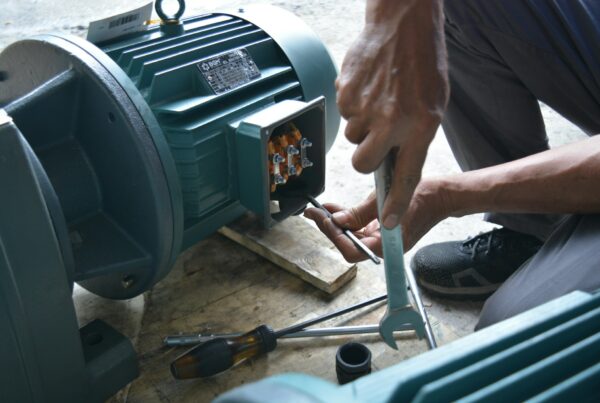
During a professional furnace tune-up, a qualified technician inspects and cleans the burner assembly, checks the heat exchanger for cracks or deterioration (a cracked heat exchanger can allow combustion gases including carbon monoxide to enter the living space — a serious safety issue), inspects and cleans the blower assembly, checks electrical connections and controls, tests safety switches and shutoffs, inspects the flue and venting system for proper drafting, measures gas pressure, and tests system operation through a complete heating cycle.

The cost of an annual furnace tune-up is typically modest relative to the benefits it provides. Systems that are professionally maintained run more efficiently (which reduces fuel costs), are less likely to fail during operation (which avoids emergency service calls at premium pricing), and typically have longer service lives than neglected systems. If your furnace has not been professionally serviced in more than a year, scheduling that service now is the single most important thing on this list.

For heat pump systems, the pre-winter service includes checking refrigerant levels, inspecting the outdoor unit, cleaning coils, testing defrost cycle operation, and verifying that the auxiliary heat (typically electric resistance strips) is functioning for days when outdoor temperatures drop below the heat pump’s efficient operating range.

Change the Air Filter Now and Again in January

Air filter replacement is the most commonly neglected and most consequential routine maintenance task for any forced-air heating system. A dirty filter restricts airflow through the system, which forces the furnace to work harder to move air through the ductwork, reduces heating efficiency, puts extra strain on the blower motor, and in severe cases can cause the heat exchanger to overheat and trip safety limits.

Before turning the furnace on for the first time each fall, install a fresh filter. Note the date on the filter frame with a marker as a reminder of when it was installed. Plan to replace the filter again in January or February during the height of heating season when the system is running most. For homes with pets, multiple occupants, or anyone with allergies or respiratory conditions, replacing filters every month during heavy-use periods is the right approach.

RELATED  3 Reasons to Never Attempt Any Type of Repair on the Hot Water System in Your Home

Filter selection matters. Basic fiberglass filters protect the HVAC equipment from large debris but do very little for indoor air quality. Pleated filters with a MERV rating of 8 to 11 provide meaningful filtration of smaller particles including dust, pollen, and mold spores while maintaining adequate airflow for most systems. Higher-MERV filters (12 and above) provide excellent filtration but restrict airflow more significantly and are not compatible with all systems — check your furnace manual or with a technician before installing a very high-MERV filter in an older system.

Test Your Thermostat and Upgrade if Necessary

Before the heating season, test your thermostat by switching it to heating mode and setting the temperature above the current room temperature. The furnace should activate within a few minutes. If it does not, the problem may be the thermostat or may be the furnace itself — a pre-season professional inspection will diagnose which.

If your home still has an older manual thermostat or a basic programmable thermostat you have never fully programmed, the weeks before heating season are the ideal time to consider upgrading to a smart thermostat. Smart thermostats deliver meaningful energy savings through their ability to learn your schedule and preferences, adjust temperatures automatically when you are away, respond to your presence, and provide detailed reporting on your heating and cooling energy use.

A quality smart thermostat like the Ecobee Smart Thermostat Premium incorporates room sensors that detect occupancy and temperature in different parts of the home, allowing it to direct heating toward occupied spaces and reduce heating of empty areas. The potential energy savings from proper setback programming and smart learning can reduce heating costs by 10 to 15 percent annually, and most smart thermostats pay for themselves within the first heating season or two.

Inspect and Clear All Vents and Registers

Walk through every room in your home before the heating season and inspect all supply and return air registers. Make sure none are blocked by furniture, rugs, curtains, or accumulated dust. Blocked registers disrupt the balanced airflow that forced-air heating systems require to distribute heat evenly and operate efficiently.

The belief that closing registers in unused rooms saves energy is a persistent myth that actually creates problems. Forced-air systems are designed to distribute air through the entire duct network; closing registers builds pressure in the ducts, stresses the blower motor, and can cause duct leaks that allow conditioned air to escape into unconditioned spaces. Keep all registers open.

If you have floor registers, check beneath them for accumulated debris. Dust, small objects, and debris that fall through floor registers can reduce airflow and create odors when the heating season begins. Remove the register grilles, clean beneath them with a vacuum, and replace the grilles securely.

Return air registers deserve particular attention. These large grilles (often located in hallways or central areas of each floor) are the intake points for the system’s circulation. They should be free of obstruction and should have no furniture, boxes, or other objects placed in front of them. Restricted return airflow is a primary cause of HVAC efficiency problems and short-cycling.

RELATED  Essential Services Offered By Professional Mobile Locksmiths

Inspect Your Heating Ducts for Leaks and Insulation

Ductwork is the distribution network of your forced-air heating system, and its condition has enormous influence on how efficiently that system delivers heat to your living spaces. Studies consistently find that typical residential duct systems lose 20 to 30 percent of conditioned air through leaks and poorly insulated sections — meaning you are paying to heat air that never reaches your living spaces.

Inspect all accessible ductwork in your attic, basement, or crawl space for visible leaks: sections that have separated from fittings, joints that have gaps, and areas where the duct material has deteriorated. Seal any leaks you find with mastic sealant or metal-backed tape. Avoid using standard duct tape, which bonds initially but deteriorates and falls off within a few years despite the name.

Check the insulation on any ducts that run through unconditioned spaces (attic, crawl space, unheated garage). Poorly insulated ducts in these areas lose heat rapidly as warm air travels through cold spaces, which is both wasteful and results in lower supply air temperatures at registers. Adding or replacing duct insulation in these areas is a practical DIY project with meaningful energy savings potential.

If you suspect significant duct leakage but cannot determine the extent through visual inspection alone, an energy auditor or HVAC contractor with duct blower test equipment can precisely quantify leakage and identify its location. In homes with substantial duct leakage, professional duct sealing services — including products like Aeroseal that seal leaks from the inside — can deliver dramatic improvements in both comfort and energy efficiency.

Check Your Heating Equipment for Safety

Winter heating season brings with it elevated risks from combustion heating equipment and carbon monoxide. Before the season begins, take a few minutes to address safety fundamentals.

Test all smoke detectors and carbon monoxide detectors in your home. Replace any that are non-functional or that have expired batteries. Carbon monoxide detectors have a finite lifespan — typically five to seven years for the electrochemical sensor cell — and should be replaced when they reach the end of their rated life, even if they appear to be functioning. A CO detector that has reached the end of its sensor life may not alert you to dangerous CO concentrations even though the unit appears to power on normally.

Inspect the area around your furnace, water heater, and any other combustion appliances. Clear away any combustible materials stored in close proximity. Ensure the furnace room has adequate combustion air — older furnaces draw combustion air from the surrounding space, and tightly sealed furnace rooms can starve the appliance of the air it needs. If you have sealed your home for energy efficiency in recent years, a conversation with your HVAC technician about combustion air is worthwhile.

Check your chimney if you have a wood-burning fireplace or wood stove you plan to use this winter. Annual chimney inspection and cleaning by a certified chimney sweep removes creosote buildup (the primary cause of chimney fires) and identifies any structural issues that could allow carbon monoxide to enter the home or create fire hazards. This service is inexpensive and very much worth the investment for anyone who uses a wood-burning fireplace regularly.

RELATED  Making Your New Home Safe And Secure: A Guide For New Homeowners

Weatherize Your Home to Reduce Heating Load

HVAC efficiency is only one side of the heating cost equation. The other is how much heat your home requires to maintain comfortable temperatures — its heating load. A well-sealed, well-insulated home requires dramatically less heat to maintain comfortable temperatures than a leaky, poorly insulated one, which means the furnace runs less often and your bills are lower regardless of how efficient the equipment is.

The highest-impact weatherization measures for most homes are air sealing and insulation. Air leaks — the places where unconditioned outdoor air infiltrates and conditioned indoor air escapes — are responsible for a significant fraction of heating costs in most homes. Common leakage pathways include electrical outlets and switch plates on exterior walls, around window and door frames, at the sill plate where the house framing meets the foundation, and at penetrations for plumbing, wiring, and HVAC equipment through the building envelope.

Sealing these air leaks with appropriate caulk, weatherstripping, and foam is a highly cost-effective improvement that most homeowners can accomplish as a DIY project over a weekend. The energy savings are immediate and permanent. Focus first on sealing attic bypasses (the paths that allow warm air to rise into the attic) and basement and crawl space air leaks, as these typically represent the largest leakage volumes.

Check and replace weatherstripping around all exterior doors and verify that door thresholds make proper contact with the door bottom. Drafty doors are immediately noticeable in cold weather and are quick, inexpensive fixes that improve both comfort and energy efficiency. Door sweep replacements and new door bottom seals are DIY-accessible repairs that cost just a few dollars per door.

Prepare for Cold-Weather HVAC Emergencies

Even with excellent preparation, HVAC systems occasionally fail during winter. Being prepared for this possibility minimizes the disruption when it happens.

Know where your furnace’s emergency shutoff switch is located (usually a red switch on the wall near the furnace, sometimes mounted at the top of basement stairs). Know how to turn off the gas supply to the furnace if needed. Have the phone numbers of two or three reliable HVAC service companies saved — the middle of a winter night when your furnace stops is not the time to start searching for a contractor.

A portable electric space heater can maintain livable temperatures in a small area if the main heating system fails. Keep one stored and functional as a backup. A digital indoor thermometer in a central location lets you monitor the house temperature accurately, which is useful both for normal operation and for monitoring heat loss rate if the system fails on a very cold night.

The Payoff of Preparation

A few hours of pre-season HVAC preparation — scheduling professional service, replacing the filter, testing the thermostat, clearing vents, inspecting ductwork, and addressing weatherization — translate into a winter heating season that is warmer, less expensive, and less stressful than it would otherwise be. The small investment of time in the fall pays dividends through the entire heating season, with the added peace of mind that comes from knowing your system is ready for whatever winter brings.

Tia

Tia

Tia is a marketing strategist who seamlessly blends her professional expertise with her personal passions. With a green thumb and an inherent love for all things related to home decor, she brings a unique perspective to her work and finds joy in cultivating both plants and creative design ideas.

Leave a Reply