
Last Updated on May 3, 2026

A fence does a lot of work. It defines your property, controls who and what comes in and out, adds privacy, improves curb appeal, and in some cases significantly affects your home’s value. Picking the wrong type of fence for your needs, soil type, and climate means years of maintenance headaches or a replacement project sooner than you planned.

Here is a practical breakdown of the most common fence types, what each is best suited for, and how to choose the right one for your property.

Wood Fencing: Classic but High-Maintenance

Wood is the most popular fencing material in the US for good reason: it is affordable, attractive, easy to customize, and works in almost any setting. A wood privacy fence gives you a solid barrier from neighbors and street noise. A wood picket fence defines the yard boundary with classic curb appeal. Wood split-rail fencing creates a rustic property edge without blocking views.

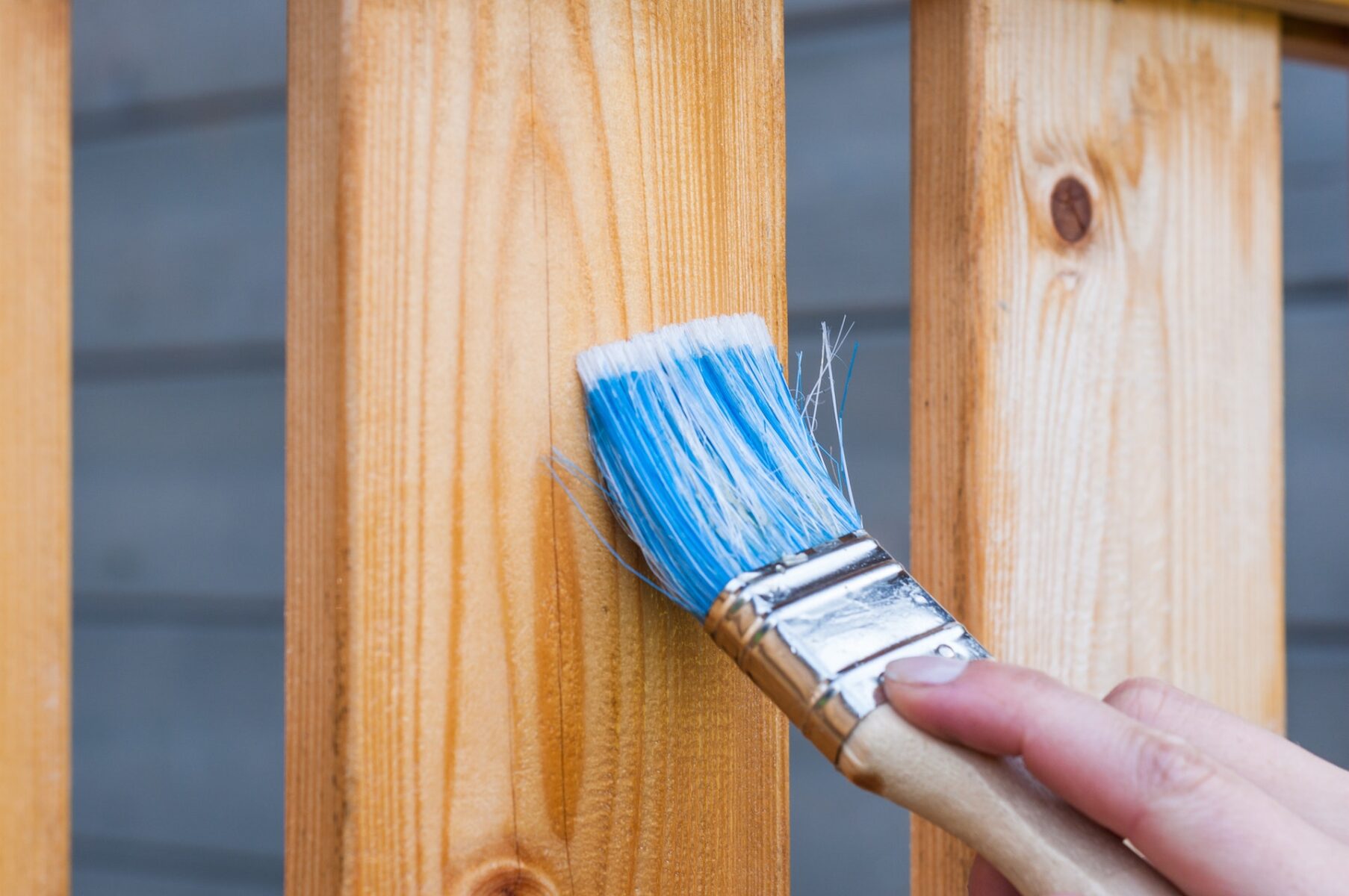
The tradeoff is maintenance. Wood fences require staining or sealing every two to three years and are susceptible to rot, insects, and moisture damage if that maintenance is neglected. In climates with heavy rain, freeze-thaw cycles, or high humidity, untreated wood fences can start showing deterioration within five years.

Pressure-treated lumber extends the lifespan significantly by making the wood resistant to rot and insects. Cedar and redwood are naturally rot-resistant and a step up in quality. For the longest lifespan with least maintenance, composite wood — which blends wood fibers and plastic — looks like wood but holds up far better over time.

Cost range: $15-30 per linear foot installed for standard pressure-treated privacy fencing; higher for cedar or composite.

RELATED  A Safe Space for Your Dogs

Vinyl Fencing: Low Maintenance, High Initial Cost

Vinyl fencing has become one of the most popular alternatives to wood because it requires virtually no maintenance. It does not rot, splinter, or need painting. It holds up well against moisture and most insects. For homeowners who want a clean, consistent look without the annual upkeep of wood, vinyl delivers.

The downside is upfront cost — vinyl typically runs 50-100% more than comparable wood fencing. It also has limited color options (predominantly white, tan, and gray) and can look less natural than wood. In very cold climates, vinyl can become brittle and crack under impact during winter months, though modern formulations have largely addressed this.

Vinyl works best for privacy fencing in suburban settings where a clean, polished look is the priority and the homeowner wants to minimize long-term maintenance costs. It is not ideal for agricultural or rural settings where a more natural look fits better.

Cost range: $25-45 per linear foot installed.

Aluminum and Steel Fencing: Security Without Sacrificing Style

Aluminum fencing offers the look of traditional wrought iron without the weight, rust risk, or cost. It is virtually maintenance-free, works well for pool enclosures (many local codes require metal fencing around pools), and is appropriate for decorative boundary applications where you want visibility maintained — like around a front yard or garden area.

Steel fencing, including chain link and welded wire variations, prioritizes function over aesthetics. Chain link is the most cost-effective fencing option overall, making it the standard for utilitarian applications: dog runs, property perimeters, sports courts, and utility areas. It is not a privacy solution but is extremely durable and requires almost no maintenance.

RELATED  How to Start a Garden in 7 Simple Steps

Ornamental steel or aluminum fencing bridges the gap — offering security and a more refined appearance at a price point between chain link and premium options.

Cost range: Chain link runs $8-18 per linear foot installed. Ornamental aluminum is $25-40 per linear foot.

Split Rail and Wire Fencing: Rural and Agricultural Uses

Split rail fencing is the classic choice for rural properties, large lots, and agricultural settings. It defines boundaries and gives a property a traditional, open aesthetic without creating a visual barrier. Split rail alone does not contain animals or people effectively, so it is often used in combination with wire mesh for actual containment purposes.

Woven wire and field fencing are the workhorses of agricultural fencing — keeping livestock in and predators out at a cost that makes sense at scale. These are rarely the right choice for suburban residential use but are essential on acreage properties.

Composite and Bamboo: Eco-Friendly Alternatives

Composite fencing combines recycled wood fibers and plastics to create a material that looks similar to wood but with dramatically better durability. It does not rot, does not need staining, and holds its color longer than natural wood. The higher upfront cost is offset by lower long-term maintenance and a longer lifespan.

Bamboo fencing is increasingly popular for homeowners who want a natural, sustainable option with a distinctive look. It works well in warmer climates for privacy screening and decorative applications. In cold climates, bamboo can degrade more quickly and may need additional treatment to survive winter conditions.

How to Choose: Key Questions to Ask

Before settling on a fence type, work through these questions:

  • What is the primary purpose? Privacy, security, pet or child containment, aesthetics, or property boundary definition each point toward different solutions.
  • What is your maintenance tolerance? If you want a set-it-and-forget-it solution, vinyl or aluminum wins over wood.
  • What are the HOA or local code requirements? Many HOAs restrict fence types, heights, and colors. Local codes often specify requirements for pool fencing, fence height limits near streets, and permitted materials. Check before you buy.
  • What is your total budget, including installation? Material cost alone is misleading — installation adds substantially, and the difficulty varies considerably by fence type and terrain.
  • What does your yard’s terrain look like? Sloped yards require stepped or raked fencing techniques that affect both installation complexity and material requirements.
RELATED  Ensuring That Adding a Pool Also Adds Serious Value to Your Home

For DIY fence repair guidance once your fence is installed, resources from HowStuffWorks on wood fence repair cover the most common issues. For larger renovation projects that may accompany your fencing project, Budget Dumpster’s home renovation guide is useful for planning debris removal. And fence supply companies like regional fence depot suppliers can help you match material specifications to your local market.

Once your fence is in place, the next step is making the most of your outdoor space. Our guide on transforming your pool patio into an outdoor oasis covers everything from furniture placement to lighting to landscape features that complete the look. And for landscaping ideas that pair well with a new fence perimeter, see our roundup of pool landscaping ideas that work beautifully along a fenced boundary.

Have expertise in fencing, landscaping, or exterior home improvement? We welcome guest contributions. Visit our write for us landscaping page for submission guidelines.

Brooks Manley

Brooks Manley

Brooks is a marketer by trade, but has developed quite the passion for home design since becoming a homeowner in New Orleans. He'll be writing about he and his wife's favorite home decor products as well as simple tips and tricks for creating a home you love.

Leave a Reply