
Last Updated on May 28, 2026
A swimming pool is one of the most transformative additions you can make to a residential property. The visual impact is immediate: a pool changes the entire character of a backyard, turning a simple lawn into a destination. The lifestyle impact is equally significant, providing a place for summer entertaining, family relaxation, and the kind of daily-life pleasure that makes coming home feel genuinely rewarding. But whether it adds serious financial value to your home is a question that deserves honest, nuanced consideration before you commit to an investment that typically runs between forty thousand and one hundred thousand dollars or more.
The good news is that a well-designed, well-maintained pool can absolutely add measurable value to your property. The caveat is that not all pools do, and the difference between value-added installations and cost-sunk ones comes down to choices that are entirely within your control at the design stage.
What the Research Actually Shows
The data on pools and home value is genuinely nuanced. Studies from real estate professionals and appraisers generally find that an in-ground pool in the right market, properly maintained and designed, can add between five and eight percent to a home’s value. In hot climates where pools are expected and where the outdoor season extends through most of the year, the premium can run higher. In cooler northern climates where a pool is usable for only three or four months per year, the value contribution tends to be lower and may not offset the installation cost in terms of resale value alone.
Location is the single most important variable. In Arizona, Southern California, Florida, and Texas, a home without a pool can actually be perceived as incomplete in the luxury and mid-luxury market segments. Buyers expect pools, have factored them into their search criteria, and will pass on properties that lack them in favor of otherwise comparable homes that have them. In these markets, a well-designed pool is often genuinely necessary to compete effectively.
In the upper Midwest, the Pacific Northwest, and New England, the calculus is different. Pools exist, are enjoyed, and do have some value contribution, but they are not expected, and the liability, maintenance, and usability constraints relative to climate make them less universally appealing to buyers. In these markets, pools tend to attract buyers who specifically want them and may be neutral or slightly negative factors for buyers who do not.
Design Decisions That Maximize Value
Assuming your market is one where a pool will be perceived positively, the design decisions you make at the outset determine whether the installation adds value proportionate to its cost.
Size and shape should be proportionate to the property. A pool that overwhelms the yard, leaving no space for plantings, seating, or other uses, creates a sense of imbalance that buyers notice. The general guideline is that the pool area, including decking and surrounding amenity space, should occupy no more than about a third of the total backyard. This leaves room for the landscape elements that frame the pool and make it feel like part of a complete outdoor environment rather than a hole in the ground surrounded by concrete.
The material and finish of the pool shell significantly affect perceived quality and long-term value. A gunite or shotcrete pool with a plaster, pebble, or tile finish signals permanence and quality in a way that a vinyl liner or fiberglass shell does not, even when those alternatives are perfectly functional and well-maintained. For luxury market positioning, the premium finishes matter.
Pool size matters for usability. A pool that is too small for actual swimming laps or for family play, sometimes called a plunge pool or cocktail pool in the current design vernacular, offers the visual appeal of water but limited functional value for active use. For buyers who want to swim for exercise or who have children, an adequate lap lane or genuine play depth is important.
The Amenity Package That Makes the Difference
The pool itself is the centerpiece, but the amenity package surrounding it is what transforms a backyard into a destination and a property into a genuinely premium offering in the market.
A well-designed pool deck in travertine, large-format porcelain pavers, or quality concrete with a refined texture and finish grounds the pool visually and creates the usable transition space between the pool and the rest of the outdoor environment. Deck material and finish quality signal the overall caliber of the installation immediately. Narrow, basic concrete decking around a beautifully tiled pool creates a disconnect that buyers perceive even when they cannot articulate why.
Outdoor dining and lounge furniture, permanent or high-quality weather-resistant pieces, signal that the space was designed for living rather than merely installed for listing photos. Buyers make emotional purchasing decisions in many markets, and a pool area that looks genuinely inviting, with shade structures, comfortable seating, and thoughtful planting, makes a stronger emotional case than one that looks like a construction project.
Shade structures, including pergolas, sail shades, and shade sails, are increasingly important as awareness of UV exposure grows. A pool area that offers no shade is a hard sell in many markets, particularly to buyers with young children. A beautifully designed pergola over the outdoor dining area adjacent to the pool ties the space together architecturally and provides practical shade that dramatically extends comfortable use hours on hot days.
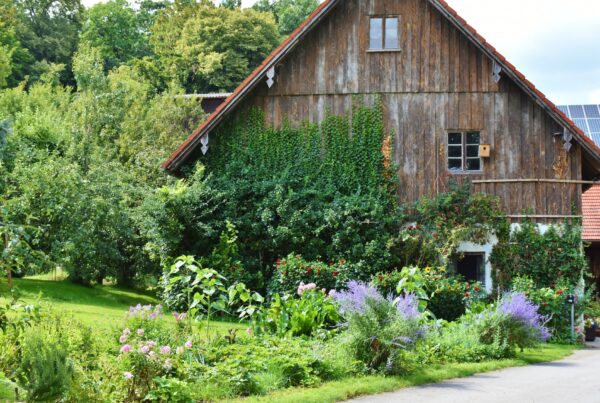
Landscaping is the frame for the entire composition. Mature plantings, privacy screening, and a curated landscape palette that complements the pool’s finish and hardscape materials turn a pool into an immersive outdoor environment rather than an amenity in a backyard. Tropical plantings, ornamental grasses, and evergreen screening create a sense of private resort even in suburban settings.
For creating that lush poolside atmosphere, a collection of weather-resistant outdoor planters allows flexible, beautiful planting even on paved pool surrounds. Large outdoor planters in weather-resistant materials work particularly well with ornamental grasses, agapanthus, and tropical varieties that evoke a resort aesthetic.
Maintenance as a Value Proposition
A pool in poor condition actively destroys value rather than adding it. Visible algae, a cracked or stained shell, faded or peeling coping, aging equipment, and overgrown surroundings communicate deferred maintenance to every buyer who walks through. In competitive markets, buyers immediately discount for the estimated cost of bringing a neglected pool to good condition, and that discount typically exceeds the actual repair cost because buyers also pay for the inconvenience and uncertainty.
Professional pool service is not optional for a pool intended to contribute to property value. The visible water quality alone, clear and inviting versus murky and uninviting, is a visual cue that registers immediately during a showing. Pool equipment that runs reliably, including modern variable-speed pumps, properly functioning filtration and heating systems, and clean filters, creates the operating cost efficiency that informed buyers increasingly factor into their calculations.
Document your pool’s maintenance history and equipment records. Buyers who understand that the pool has been professionally maintained, with service records available, that the equipment is current and properly functioning, and that the shell is in good condition, apply a discount far smaller than they apply when presented with an older pool of unknown history.
Timing the Pool Decision
The best time to add a pool to a property you intend to keep long-term is simply when you are ready to enjoy it. The lifestyle value of a pool, enjoyed over a decade or two of ownership, is significant and real regardless of its precise contribution to resale value in a future market that cannot be predicted. The financial calculus of pools is most fraught for homeowners who install them primarily with resale in mind and then sell within a few years, often before the lifestyle enjoyment has had time to justify the cost.
If you are planning to sell in the near term and are considering adding a pool primarily for its value contribution, consult a local real estate professional who can give you an honest, market-specific assessment. In the right market and price tier, the answer may genuinely be that a pool is needed to compete. In others, the same investment applied to kitchen renovation or landscaping may generate a stronger return.
For the homeowner who loves the outdoor lifestyle and plans to remain in the property for ten or more years, a thoughtfully designed, well-maintained pool is one of the genuinely wonderful things you can add to your daily life. Designed with proportionality, quality materials, and the surrounding amenities that complete the outdoor environment, it very likely adds financial value as well. That combination, pleasure now and value later, is the proposition worth pursuing.