
Last Updated on May 21, 2026
There’s something undeniably magical about stepping out your back door and into your own private oasis. A backyard pool transforms not just your yard, but your whole lifestyle. Summer weekends suddenly belong to you. Kids splash until golden hour. Friends and family show up with towels instead of restaurant reservations. If you’ve been dreaming about joining the ranks of pool owners, this comprehensive guide walks you through everything you need to know before the excavation crew arrives.
Start With Design That Complements Your Home
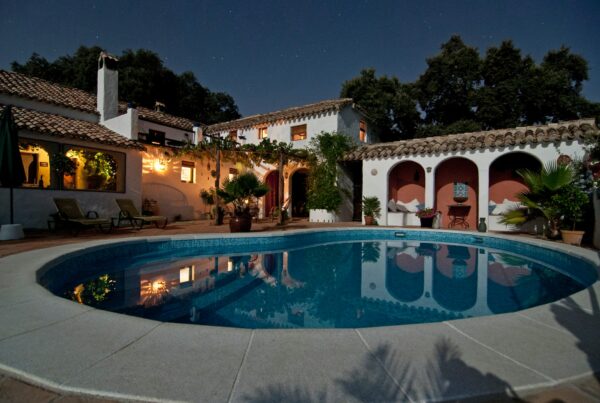
Before you think about pool chemicals or safety fences, spend time getting the design right. Your pool should complement your home and outdoor space, not just fill up the yard. Consider the shape, size, and finish that will best suit your lifestyle and aesthetic. This is where your pool becomes an extension of your home’s design story rather than just a recreational feature.
Lap pools are perfect for fitness-minded homeowners who want to integrate serious swimming into their daily routine. Freeform shapes with organic curves feel more natural in gardens with landscape plantings and create a resort-like aesthetic. A rectangular pool with clean lines suits modern homes beautifully and photographs like a luxury resort. Zero-edge or infinity pools create a stunning visual effect where the water appears to flow into the horizon, perfect for homes with expansive views. Lagoon-style pools with natural rock features and shallow sun shelves feel like a private tropical retreat.
Think carefully about where the sun hits your yard throughout the day. A well-positioned pool gets the most sun exposure, which keeps the water warmer and reduces heating costs. You also want to consider prevailing winds, nearby trees that drop leaves into the water, and how the pool area flows naturally from the house. Pay attention to how water, seating areas, and pathways will all connect. For a deep look at what’s trending in pool design right now, check out our roundup of popular swimming pool design ideas for discerning homeowners.
Understanding Pool Maintenance From the Start
Owning a pool is genuinely one of the best home upgrades you can make, but it does come with real responsibilities. Water chemistry is the area where most new pool owners feel most overwhelmed, and for good reason. Getting the balance wrong can make your water cloudy, irritate your family’s skin and eyes, and damage your equipment over time. The good news: once you understand the basics, it becomes routine.
The core of pool maintenance comes down to testing your water regularly and adjusting the chemistry as needed. Choose a range of HyClor pool testing products like pool water test strips to learn what your water needs at any given moment. You’re primarily checking chlorine levels, pH balance, and alkalinity. When these numbers drift out of range, you bring them back with pool chemicals including algaecides, balancer chemicals, chlorine sanitizers, and clarifiers.
During swimming season in spring and summer, plan to test your water at least once a week. In the off-season, every two weeks is sufficient. Staying on top of this routine is far easier than correcting a neglected pool that has gone green. Many new pool owners find that building the testing habit early, perhaps as a weekend ritual, makes the whole ownership experience far more enjoyable. Some people even find it meditative.
Know Your Local Pool Laws Before You Build
This is the part no one wants to talk about, but it matters enormously. Pool regulations exist to protect lives and property, and failing to comply can result in fines, forced modifications, or even legal liability. Before you pour a single yard of concrete, research the requirements in your specific city, county, and state.
Most jurisdictions require a fully enclosed pool area with self-latching, self-closing gates. Inground pool barriers must meet specific height requirements, typically four feet minimum for safety fencing. Many areas also require alarm systems that alert homeowners when someone unauthorized enters the pool zone. The key rule of thumb is to follow the most restrictive regulation at any level, whether state, federal, or municipal, to ensure your build will be fully compliant and legal. Your pool contractor should help you navigate local requirements, but doing your own research means you’ll never be caught off guard by surprise requirements or code changes.
Establish Pool Rules From Day One
Once word gets out that you have a pool, your social calendar will fill up fast. That’s the fun part. The less glamorous part is making sure everyone stays safe while they’re having the time of their lives in your backyard. Setting clear pool rules from the very beginning prevents awkward conversations later and keeps everyone protected.
Start with the essentials: no pool use when you’re not home, all children must be actively supervised by an adult at all times, and everyone enters and exits using the ladder (not jumping from the deck). Walking, not running, along the pool’s edges should be a firm household rule, especially with younger kids around. Drowning is a genuine and preventable danger, and the rules you establish directly reduce that risk. Post a simple, attractive sign near the pool so guests are always reminded without you having to repeat yourself every time someone visits.
Budget Realistically for Full Ownership Costs
Pool installation costs vary widely depending on your region, the size of the pool, the type of construction, and your chosen finishes. Inground pools typically run anywhere from $30,000 to well over $100,000 for a custom build with premium features like waterfalls, infinity edges, or integrated spas. Above-ground pools are more affordable upfront but have trade-offs in longevity and long-term resale value.
Beyond the installation itself, budget for ongoing ownership costs: chemicals, electricity to run the pump and filter, regular professional service visits, and eventual repairs or equipment replacement. If you live in a cold-weather climate, you’ll also pay to professionally close and reopen the pool each season. None of this is a reason to avoid building a pool. It’s simply smart planning so the investment stays enjoyable and doesn’t become an unexpected source of financial stress down the road. Spread across a 20-year ownership timeline, the per-year cost often feels quite reasonable.
Design Beautiful Outdoor Living Spaces Around Your Pool
A pool on its own is wonderful. A pool surrounded by a beautifully designed outdoor living space is genuinely transformational. There are millions of residential pools across the United States, and the ones that truly shine are the ones where the outdoor space surrounding them has been carefully considered and purposefully designed. This is where your pool becomes more than a water feature; it becomes a lifestyle destination.
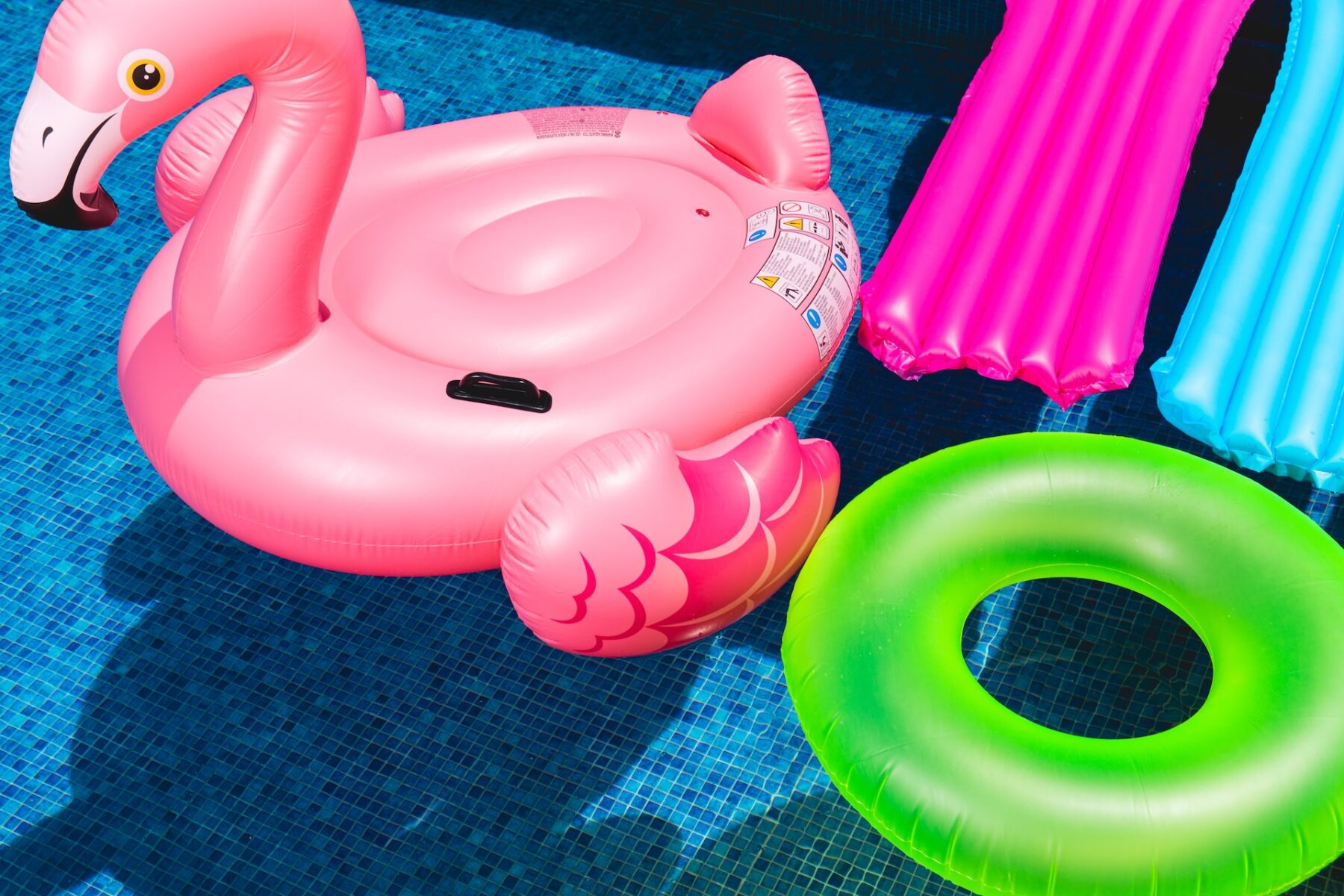
Think about comfortable lounging areas with quality outdoor furniture that can handle your climate. A shaded pergola or sail shade provides midday relief and creates distinct zones within your outdoor space. Smart storage solutions for towels and pool toys keep the space looking organized and intentional. An outdoor dining area positioned near the pool means cookouts and swim days blend seamlessly into one long, relaxed afternoon. If you want to take it further, an outdoor kitchen setup or a built-in bar elevates the whole experience from a backyard pool to a true resort-style retreat. Consider lighting that makes the space usable in evening hours and creates mood and safety.
Once your pool is built, you’ll want to think about the full outdoor living design as a cohesive whole. Check out our guides on the best pool landscaping ideas to complement your outdoor space and transforming your pool patio into an outdoor oasis for inspiration on what to do once construction is done.
Choosing Pool Finishes That Last
The finish you choose affects both the aesthetic and the longevity of your pool. Plaster is the most affordable option and comes in various colors, but it typically needs replastering every 10 years. Aggregate finishes like pebble offer a more luxurious appearance, last longer, and develop a beautiful patina over time. Tile is the most durable and highest-end option, offering endless design possibilities and a spa-like appearance. Whatever you choose, it should reflect your home’s overall aesthetic and create the atmosphere you want to live in for decades.
Your Pool, Your Lifestyle
Installing a pool is more than a home improvement project. It’s an investment in the way your family lives and how you spend your summers. The afternoons spent drifting in the water, the lazy float sessions on a Tuesday evening, the summer birthday parties that become neighborhood legends for years to come, the quiet morning before anyone else is awake, the sunset cocktails with friends, the kids’ laughter echoing through the yard – these are the moments that make every dollar worthwhile. Go in with eyes open, plan carefully, and you’ll have a backyard that pays dividends in joy for decades.
Have experience with pool installation, backyard renovations, or outdoor living design? We’d love to hear from you. Visit our home improvement write for us page and share your expertise with our community of homeowners.