
Last Updated on May 4, 2026

The living room is the heart of a home. It is where you unwind after work, gather with family, host friends, and spend the majority of your leisure hours. When the space starts to feel stale or uninspiring, the urge to change it is natural — but a full renovation is rarely necessary. Targeted updates, done thoughtfully, can transform the feeling of a room without touching the structure.

Here are ten practical ways to refresh your living room that range from free to moderately priced, all capable of making a genuine difference.

1. Add Art to the Walls

Empty or underutilized wall space is one of the most overlooked opportunities in a living room. Art does more than fill a wall: it anchors the color palette, signals your aesthetic, and gives guests something to engage with. You do not need to spend thousands. A single large-format print in a simple frame makes more visual impact than a cluster of small, mismatched pieces.

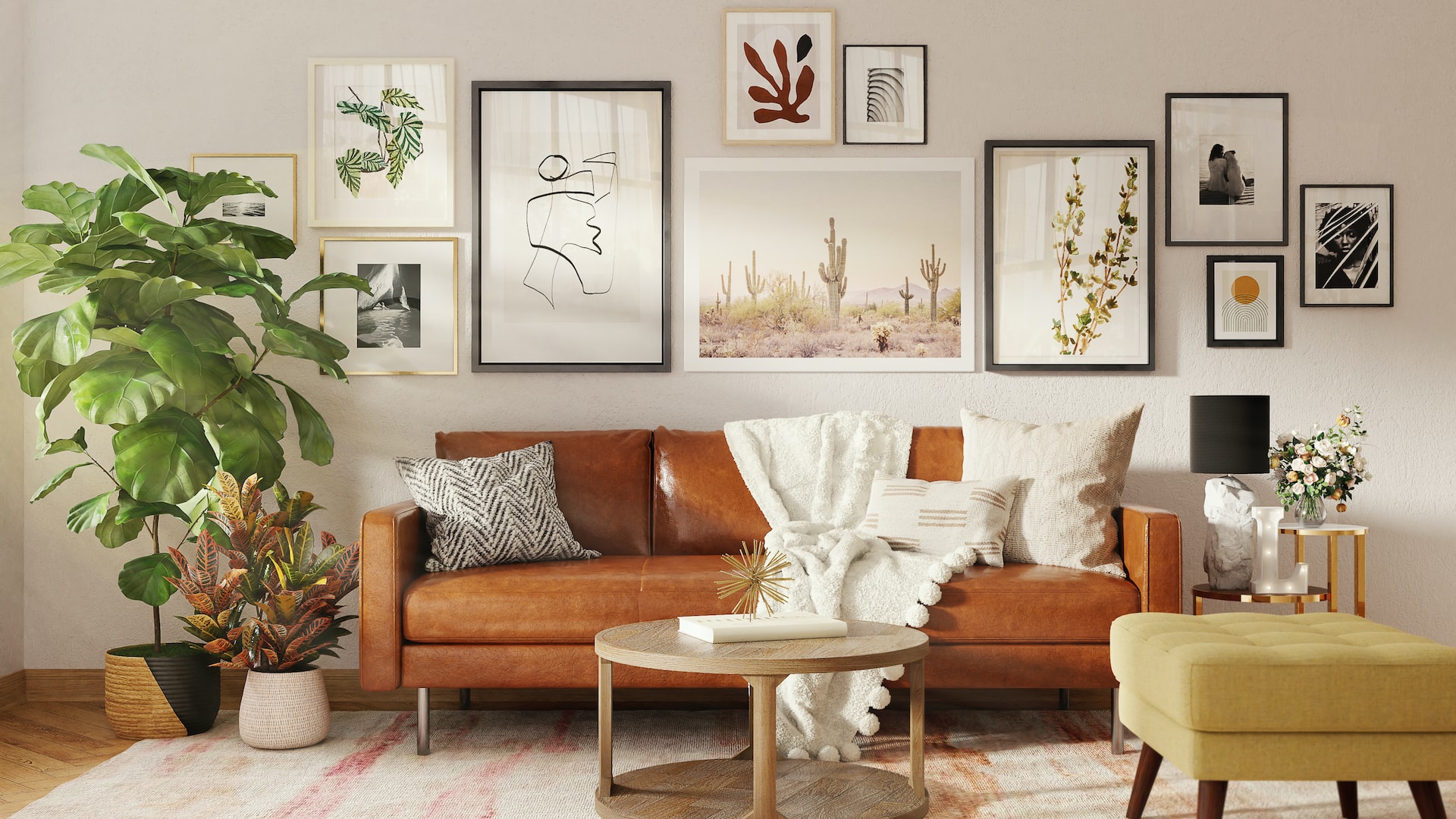
When selecting art, treat the wall as a frame itself. Leave enough breathing room around the piece so it reads as an intentional choice. If you prefer a gallery wall, use a consistent frame color or material to create cohesion across different print sizes and styles.

2. Create a Personal Photo Display

A curated photo display is one of the most personal things you can add to a living room. Done well, it turns a wall into a story. The key is restraint: choose your ten or fifteen favorite images rather than trying to include everything. Edit down to moments that still feel significant, not just chronological.

Frame choices matter as much as image selection. Mixing frame finishes in the same general palette — warm metals, natural wood, or matte black — adds variety without visual chaos. Some homeowners work with a diploma maker to create custom prints for major achievements, giving the display a mix of personal memory and earned pride alongside photographs.

3. Rearrange What You Already Have

Before spending anything, try moving the furniture. This is genuinely free, and it often reveals that your room was arranged out of habit rather than intention. The most common mistake is pushing all the furniture against the walls. Floating seating pieces toward the center creates a more conversational and intimate arrangement.

RELATED  Cozy Living Space: Pre-Winter Fireplace Prep Tips For Homeowners

Start with the sofa. Angle it toward the primary focal point — the fireplace, the television, or a view — and build the arrangement from there. Make sure the main seating pieces face each other or angle toward each other so conversation is natural. A coffee table placed at knee height within easy reach of all seating completes the functional core.

4. Bring in Plants

Nothing reanimates a room quite like living greenery. Plants add color, texture, and a quality of freshness that no accessory or paint can replicate. Low-maintenance houseplants like pothos, snake plants, and peace lilies work well in living rooms because they tolerate variable light and do not require constant attention.

For maximum visual impact, go larger rather than smaller. A single oversized plant — a fiddle-leaf fig, bird of paradise, or large monstera — in a quality ceramic pot makes a statement that a collection of small plants spread across the room cannot match. If hanging space is available, trailing plants in wall-mounted or ceiling planters add vertical interest without taking floor space.

5. Paint or Add an Accent Wall

Color has more influence on how a room feels than almost any other single variable. A fresh coat of paint makes a room look cleaner and more intentional. Choosing a new color, particularly a deeper or warmer tone on one accent wall, changes the character of the room entirely.

Accent walls work best when they highlight an architectural feature: the wall behind the sofa, around the fireplace, or framing a large window. Muted greens, dusty blues, warm terracotta, and deep charcoal all perform well as accent colors in living rooms. They create visual depth without making the room feel smaller if the remaining walls stay light.

If painting feels like a bigger project than you want to take on yourself, hiring a professional makes a significant difference in the final quality. Services like interior painting in Calgary handle everything from patching and prep to the final coat, making the project far less disruptive than a DIY approach.

RELATED  How to Create a Gallery Wall: The Complete Step-by-Step Guide (2026)

6. Replace the Curtains

Window treatments are one of the most impactful and underrated elements in a living room. Old curtains that have faded or stopped suiting the space drag down the whole room. Replacing them is less expensive than most people assume, particularly if you shop linen or cotton panels rather than custom drapery.

For most living rooms, floor-length panels hung high and wide — above the window frame and extending past it on both sides — make the room look taller and the windows look larger. Light-filtering panels in natural linen or cotton add warmth. Heavy blackout curtains work better in bedrooms, where natural light is an asset worth preserving in living spaces.

7. Get a New Rug

The rug defines the seating area and sets the visual tone for the whole room. A rug that is too small — the most common mistake — makes the furniture look like it is floating without context. As a general rule, the front legs of all main seating pieces should sit on the rug. In a larger room, all legs on is even better.

Pattern and texture matter as much as size. A solid rug in a neutral tone grounds the room and lets other elements do the visual work. A patterned rug — geometric, abstract, or traditional — becomes the design anchor the rest of the room responds to. Natural fiber rugs in jute, sisal, or wool add warmth and texture that synthetics do not replicate.

8. Layer in Accessories

Accessories are how a room acquires personality. The discipline is in editing: a few deliberate objects tell a story, while too many create noise. On a coffee table, work with odd numbers and vary the height. A stack of books, a sculptural object, a small tray, and a candle create a composition that reads as considered rather than cluttered.

Vary the materials: combine ceramic, glass, wood, and metal. Match the general color palette but do not match everything exactly. The goal is a room that looks collected over time rather than purchased all at once from the same store.

9. Switch Out the Throw Pillows and Blankets

Throw pillows are one of the easiest and most affordable refreshes available. Changing the color, texture, or pattern of your sofa pillows effectively changes the look of the most prominent piece of furniture in the room. You do not need to replace the sofa — just update what is on it.

RELATED  The Best Couch Covers for Pets: A Thorough Guide

Aim for three to five pillows on a standard sofa in two or three complementary sizes. Mix textures: velvet, linen, woven, and boucle all work together without clashing. Add a throw blanket draped casually over one end to make the sofa feel genuinely inviting rather than just functional.

10. Update the Lighting

Lighting has more power to change the atmosphere of a room than any other single element. Most living rooms are over-lit by a single overhead fixture and under-lit everywhere else. Layering your living room lighting — ambient overhead, task lamps, and accent lighting — creates a space that can shift from bright and functional to warm and relaxed at the turn of a dimmer.

Floor lamps add height and warmth to dark corners. Table lamps on side tables soften the room and reduce reliance on overhead fixtures. If your current overhead light is a basic flush mount, replacing it with a pendant or semi-flush fixture that has visual weight is one of the highest-impact swaps in terms of design improvement per dollar spent.

Putting It All Together

A living room refresh does not require starting from scratch. Most of these changes can be done in stages, beginning with what costs nothing — the rearrangement — then moving to lower-cost updates like plants and accessories, and eventually to painting and new textiles. Knowing your interior design style before you start helps you make choices that work together rather than ones that pull the room in different directions.

For a specific aesthetic direction, our guide on coastal living room ideas applies these same principles within a light, breezy palette if that resonates with your preferences.

If you have living room design tips, before-and-after stories, or decor expertise to share, visit our living room write-for-us page for contributor details.

Brooks Manley

Brooks Manley

Brooks is a marketer by trade, but has developed quite the passion for home design since becoming a homeowner in New Orleans. He'll be writing about he and his wife's favorite home decor products as well as simple tips and tricks for creating a home you love.

Leave a Reply