
Last Updated on December 12, 2023
The living room is the place where everyone gathers and where people must enjoy an entertaining time. This is usually the room where people sit with television, it must be pleasant and useful though. The issue that many people face decorating the living room: It has many ideas that go around the heads and possibilities for picking though. Place color-changing candle at home to increase ambience.
Style hacks for designing a living room that will blow your mind
People can go with a large sofa
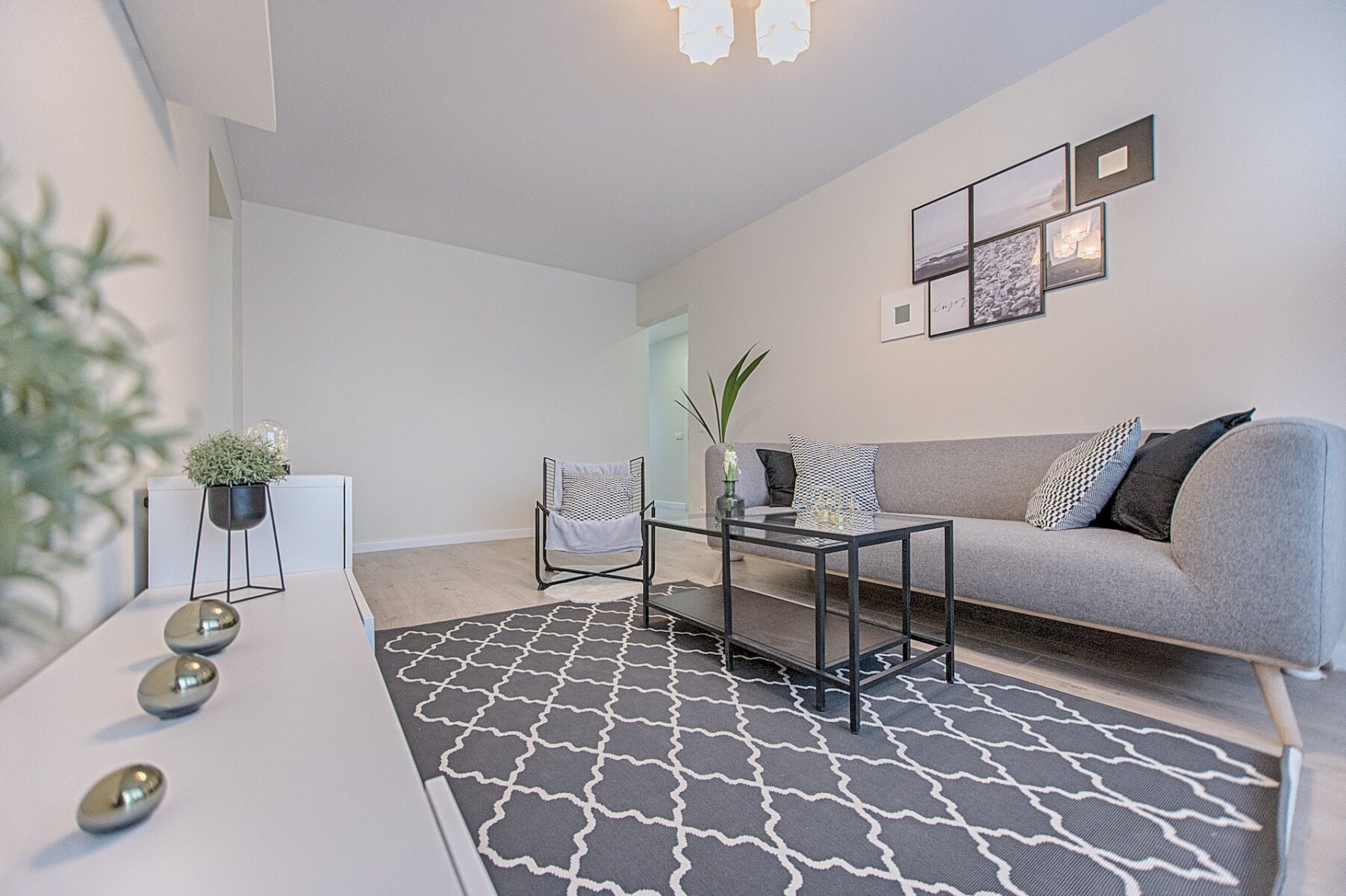
The sofa is the focal point for stylish living room furniture. It comes with occupies most floor space and comes with primary seating. The appropriate for design one. Dimension, shape, setup or direction, and of course, comfort for important for consideration though. People can decide to get walls and ceiling for creamy white paint and people can keep the carpet in soft grey. The vibrant sofa, with an area
The structure, fabrics, and each color for equally meaningful. While it may seem safer to go with a neutral shade for the enormous piece, they can easily go opposite. If a person is not properly sure how to style a bright-colored sofa, they can easily maintain a neutral color scheme with most living room space. They can leave some perfecting space for coloring some different colors and then the rest is complementary.
People can go with accent chairs to break the monotony
If a bold sofa is not suitable for someone, then they can focus on accent furniture like armchairs while arranging living rooms. Rather than buying a set of three-seater sofas with matching one seater chairs, people can easily mix and match colors and place them at home. It is a much simpler approach for incorporating stylish living room pieces without having an entire space. People can complete free experiments with different styles, colors, and materials. The designers can easily utilize the extra sitting around with the main sofa to incorporate both pastels and vivid colors.
People can make use for center table walls
Maybe one can pick a neutral sofa or doesn’t have enough space for the accent chairs, they can still want to include creative elements in the living area. It is time to consider innovation for the center tables. Designer living room furniture like center and side tables can be the perfect furniture items for experiments while still providing usefulness in the form of flat surface to work and sometimes even storage. They can easily dynamic and creative works that complement any style. If the person that is having a white and black living space. It will look great with a splash of color from wall art and fascinating plants in the corner. The design elevates with the addition copper center table. This act with element one might not associate with a simple, solid environment. It is one item that will truly live the complete design though.
A person can make use of soft furnishings
Soft furnishing comes in handy, regardless of whether one wants modern, trendy, traditional, extreme, colorful, mid-century, decorative arts, imperial and the list goes. When you are looking at designer living room designs. It can help to have a proper decoration style combined with components like pillows, and carpets and to enhance and tie with room together. Getting the furniture that will help to have a good ambiance at home.
Lighting can act as an art
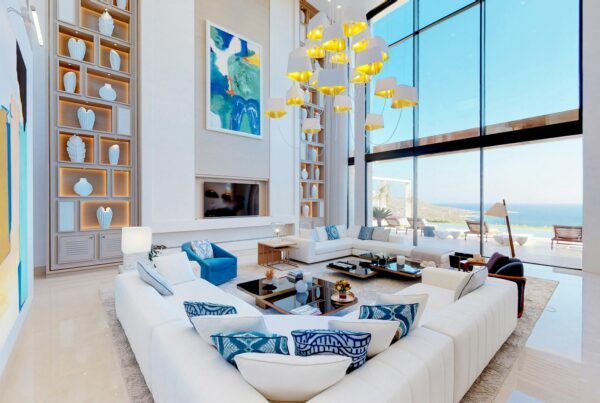
The secret for living room lighting that to layer and use several origins for differing altitudes. It will help to give a person the ability to control the amount of light. The ambiance and mood at home can be different due to things present at home. When a person has the ability to control of decorating their living rooms, they can create observable charm for objects like floor and table lights though. Lighting will help by having a soft light on items at home and create a good environment though.
People can take up for decorating with walls
Blank can help as an excellent canvas for adding the adorning glimmer for the living room. The wall decoration materials like structures, paintings, and even shelves for decoration items like excellent ways for giving extra graphic trace. Onc a consider using the highlight wall by painting it in a bold shade, alluring wallpaper, or having unique decoration items for wall shelves. To give the designer the touch, the person can make their TV unit wall for a highlight wall at home.