
Last Updated on May 28, 2026

The best homes accomplish something that design theory alone cannot fully explain: they are both comfortable and beautiful simultaneously. Not comfortable despite being beautiful, as though style and ease were always in tension. Not beautiful despite being comfortable, as though a well-designed room could not also be a genuinely pleasant place to spend time. They are both, together, because the people who created them understood that comfort and style are not competing values at all. They are the same project approached from different angles.

Boosting comfort and style in your home does not require a full renovation or a significant budget. It requires observation, intention, and the willingness to change things that are not working, regardless of whether they cost money or simply require the courage to rearrange what you already have. Here is a guide to the most impactful changes available to any homeowner who wants their space to feel noticeably better without dismantling what they have built.

Start with the Foundation: Flooring and Rugs

What is beneath your feet affects both the physical comfort of a room and its visual character more than almost any other single element. Hard floors that feel cold and acoustically harsh benefit enormously from the addition of a quality area rug that provides warmth underfoot, absorbs sound, and visually anchors the seating arrangement above it.

The most common mistake with rugs is choosing one that is too small. A rug that barely fits under the coffee table while leaving furniture legs floating in mid-air does not anchor the room. It simply adds a rectangle of pattern to the center without achieving the cohesive, grounded effect that a properly sized rug creates. For a living room seating group, the rug should be large enough for the front legs of all major seating pieces to rest on it. For a dining room, the rug should extend far enough past the table that chairs remain on the rug even when pulled back for seating.

Texture in rugs is as important as pattern and color. A flat-woven rug adds pattern and color without adding much tactile dimension. A high-pile or shag rug adds significant softness and warmth underfoot but requires more maintenance. A medium-pile rug strikes a balance that works well in high-use living areas. Natural fiber rugs in jute or sisal add organic texture and warmth without the softness of pile rugs, which makes them good choices in entryways and transitional spaces.

Layer Your Lighting

Single overhead lighting is the enemy of both comfort and style. A room illuminated only by a ceiling fixture casts flat, shadowless light that is practical in the same way a hospital corridor is practical: functional but completely without atmosphere or warmth. Layering multiple light sources at different heights and intensities transforms the same room into something genuinely inviting.

Every significant room benefits from at least three types of lighting working together. Ambient lighting, provided by ceiling fixtures, floor lamps, or large pendants, gives the room its general illumination. Task lighting, provided by table lamps, under-cabinet fixtures, or adjustable reading lights, serves specific activities. Accent lighting, provided by picture lights, directional spots, or candles, creates depth and visual interest by highlighting specific elements.

RELATED  Is Your Living Room Hardwood Floor Damaged? Let Experts Restore It

Dimmers are transformative. The ability to adjust ambient light from full brightness to a quiet glow changes the character and mood of a room without changing a single piece of furniture. If you do not have dimmers on your primary living area lighting, installing them is one of the highest-return improvements available at very low cost. Smart dimmers that can be controlled from a phone or through voice commands take this flexibility one step further, allowing complete lighting control from the comfort of your sofa.

Warm light sources, those in the 2700K to 3000K color temperature range, create the cozy, inviting atmosphere that comfortable rooms require. Cooler light sources feel more clinical and alert-inducing, which serves kitchens and home offices but works against comfort in living areas and bedrooms. Replacing any cool-white bulbs in your primary living areas with warm-white alternatives makes an immediate and noticeable difference in how the space feels.

Invest in Seating That Actually Supports You

A beautiful sofa that is uncomfortable to sit on for more than twenty minutes is decorative furniture rather than functional furniture. The most stylish room in the world loses its appeal if the experience of spending time in it is physically uncomfortable. Comfort and beauty in seating are not mutually exclusive, but finding pieces that achieve both requires prioritizing how a piece feels to sit in alongside how it looks.

When evaluating sofas and chairs, sit in them for a meaningful amount of time in the position you would actually use them. Does the seat depth allow you to sit comfortably with your back against the back of the sofa, or does it force you to perch forward? Is the cushion firm enough to support you without sagging, yet soft enough to feel genuinely comfortable? Does the arm height work for your natural arm position when relaxed?

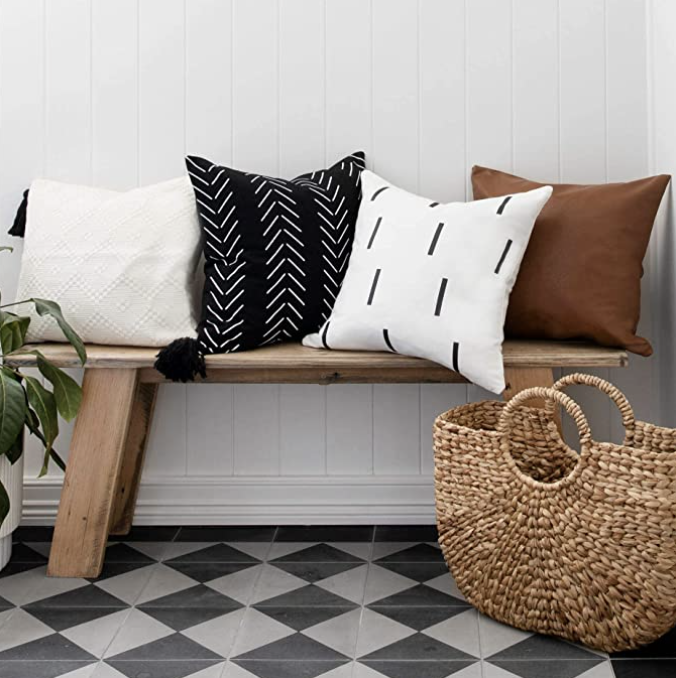
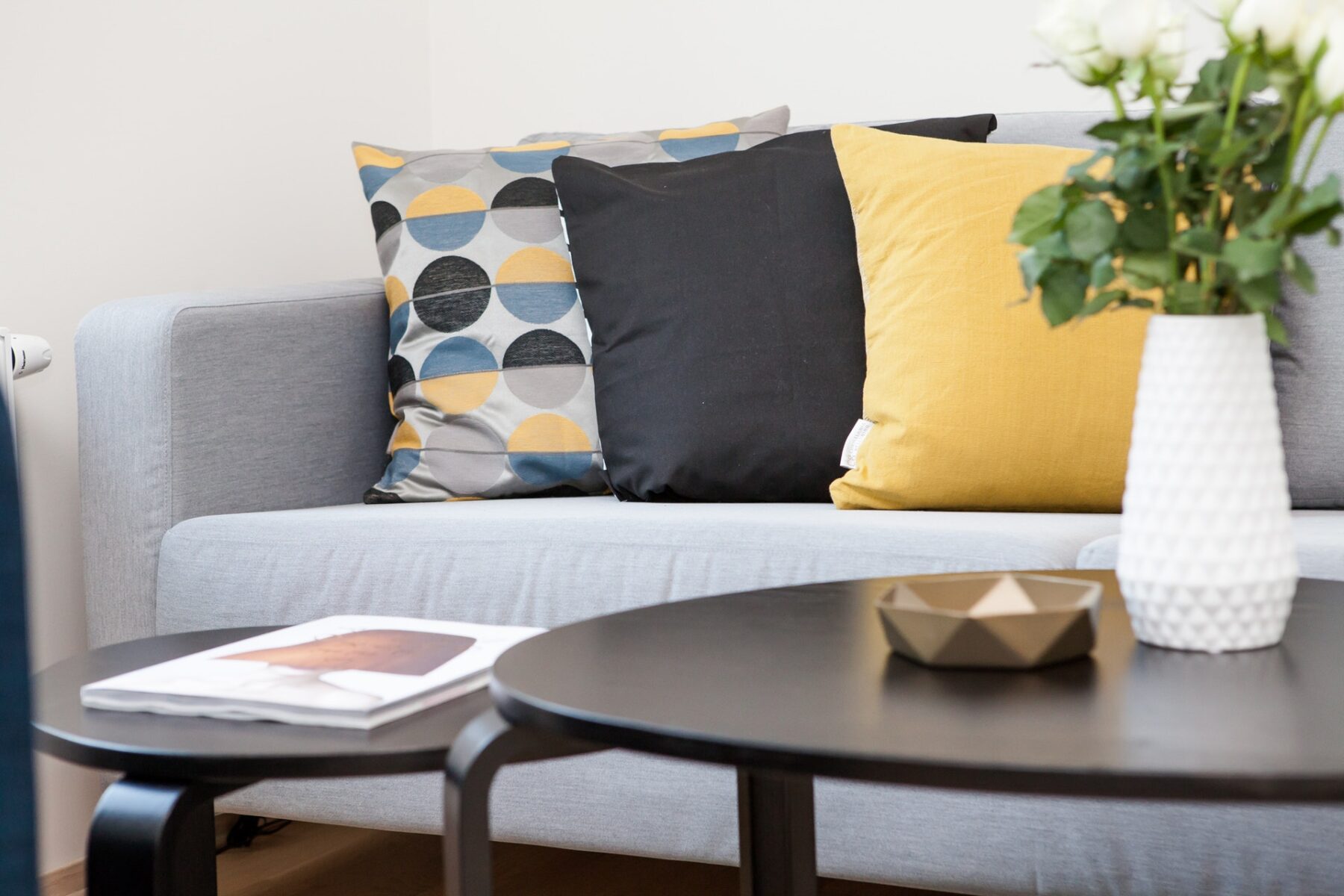
Throw pillows and cushion covers are among the most affordable ways to refresh the look of existing seating. A set of well-chosen throw pillows in current colors and textures can make an older sofa look intentional and designed without the investment of replacement. Look for covers in tactile materials like velvet, linen, or boucle that invite touch and add visual warmth to smooth or neutral upholstery.

Address the Acoustics

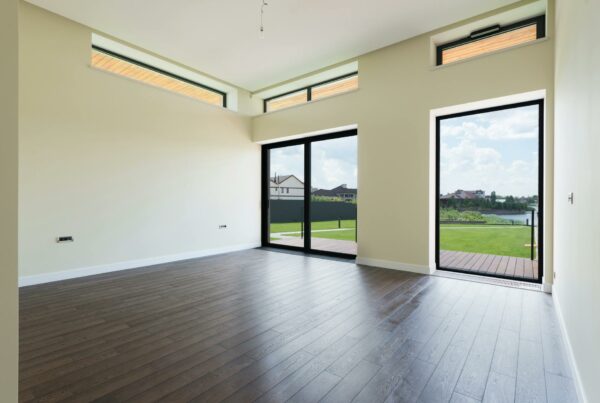
Rooms that are too loud, where voices echo and every sound reverberates, create a subtle but real sense of discomfort that undermines the pleasure of spending time in them. This is particularly common in rooms with hard floors, high ceilings, and minimal soft furnishings. The acoustic character of a space is a comfort dimension that is often overlooked entirely until it is addressed, at which point the improvement is immediately and pleasantly obvious.

Soft furnishings are acoustic treatment as well as decoration. Rugs, upholstered furniture, curtains, and decorative pillows all absorb sound and reduce echo. A room that gains a substantial area rug, heavy curtains, and a well-upholstered sofa from a state of bare floors and minimal furnishing will be dramatically quieter without any dedicated acoustic treatment. In rooms where sound is still problematic after soft furnishing additions, wall-mounted acoustic panels in fabric-wrapped forms serve double duty as art and sound treatment.

RELATED  Blooming Elegance: The Art of Incorporating Flowers into Interior Design

Bookshelves filled with books are among the most effective casual acoustic treatments available, and they also contribute significantly to the visual warmth and intellectual character of a room. A wall of bookshelves creates an irregular, book-filled surface that diffuses sound beautifully while turning an otherwise plain wall into one of the most interesting design features in the home.

Bring in Plants and Natural Elements

Plants affect the experience of interior spaces in ways that research has documented and designers have long understood. The presence of living plants reduces psychological stress, improves perceived air quality, and adds an organic vitality to rooms that manufactured decor cannot replicate. A room with thoughtfully placed plants feels more alive, more generous, and more comfortable than the same room without them, even when everything else remains identical.

Scale matters in plant selection. A single large plant in a statement pot makes more design impact than many small plants scattered without visual logic. A large fiddle leaf fig, monstera, bird of paradise, or olive tree in a substantial planter becomes a furniture-scale element that contributes to the room’s structure and composition. Position it in a spot that receives appropriate light for its needs and where it fills an area that would otherwise feel empty or undefined.

Trailing plants add a different kind of beauty. Pothos, philodendron, and string-of-pearls in hanging planters or elevated pots that allow their trails to cascade downward introduce movement and organic softness that upright plants do not provide. Combining tall statement plants with trailing varieties and smaller plants at varying heights creates a sense of layered, living abundance that transforms the feeling of a room significantly.

Refine Your Color Palette

Color is the design element that most directly affects how a room feels emotionally. Rooms in warm, muted, nature-inspired hues generally feel more comfortable and restful than rooms in very bright, saturated, or cool-toned palettes. This does not mean that every room should be beige or taupe. It means that the specific quality of color, its undertone, its saturation level, and how it relates to the other colors in the room, matters as much as the general color family.

Current color palettes that consistently produce warm, comfortable interiors include terracotta and warm earth tones, aged sage and olive greens, deep indigo and navy, warm off-whites with yellow or pink undertones, and rich burgundy and plum. These colors work because they feel simultaneously grounded and sophisticated, referencing natural materials and organic processes in their depth and complexity.

If repainting feels too significant a commitment, introduce new colors through soft furnishings, artwork, and accessories before committing to wall paint. A new set of throw pillows in terracotta and sage on an existing neutral sofa gives you an accurate preview of how those colors will feel in the room before you make permanent decisions.

Declutter with Intention

One of the most immediate comfort improvements available at absolutely no cost is reducing the visual noise in a room. Rooms with too many objects competing for attention feel cramped and overstimulating, even when the individual objects are attractive. The contemporary design aesthetic that most people respond to as feeling calm, elevated, and comfortable is characterized by deliberate editing: keeping only what is beautiful, meaningful, or useful and removing everything that does not earn its place.

RELATED  Revolutionizing Illumination: How Tech Breakthroughs are Enhancing the LED Neon Sign Industry

Go through each significant surface in your home: shelves, countertops, mantlepieces, side tables. Remove everything and reassess what goes back. Group objects in odd numbers, typically threes, for a more organic arrangement than even pairs. Vary heights within groupings for visual rhythm. Leave negative space, areas with nothing on them, which allow the eye to rest and make what is displayed more visible and more appreciated.

Window Treatments That Work

Window treatments are among the elements most frequently done poorly or omitted entirely in home design. Bare windows that receive no treatment can make a room feel cold and unfinished. Incorrectly proportioned curtains that are too short, too narrow, or hung too low undermine the very improvement they were intended to provide. Done well, window treatments are transformative, adding warmth, softening architecture, controlling light, and giving rooms a sense of finished quality that bare windows can never achieve.

Hang curtain rods at ceiling height or as close to the ceiling as possible, regardless of where the actual window frame falls. This elongates the wall and makes ceilings feel higher than they actually are, a visual trick with remarkable impact in standard-ceiling rooms. Choose curtain panels that are wide enough to extend several inches past each side of the window when open, so that when drawn back they frame the window without obscuring it. Panels should be long enough to just touch the floor or pool slightly for a luxurious effect.

Linen and linen-blend curtains are excellent choices for most living and bedroom spaces because they drape beautifully, allow diffused natural light when closed, are available in a wide range of warm neutrals, and age gracefully. Blackout curtains in bedrooms serve the practical function of blocking light for better sleep while also, in the right fabric and color, looking beautiful and contributing to the room’s comfort and design simultaneously.

The Small Details That Complete the Picture

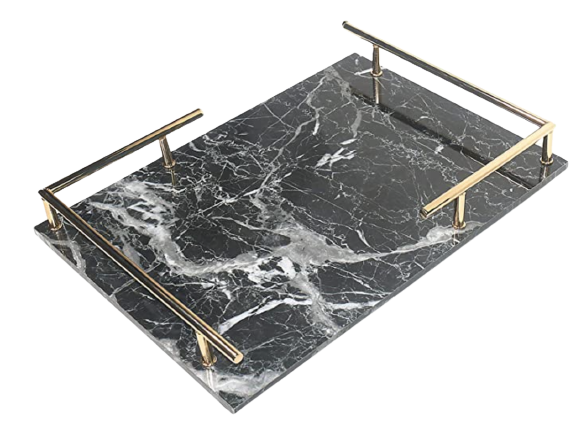
Comfort and style in a home come together in the details as much as in the major decisions. A quality scented candle that you light in the evening creates a sensory ritual of arrival and relaxation. A thoughtfully assembled tray on the coffee table, holding a few books, a small plant, and an interesting object, creates the impression of a curated surface rather than an accidental accumulation. Fresh flowers, even a simple bunch from the grocery store in a beautiful vase, bring a vitality and ephemeral beauty to a room that no artificial substitute can replicate.

These small, considered details are what make a home feel like it has been tended to with care. They signal that the people who live there notice and appreciate beauty in everyday life, and they create the particular warmth that makes visitors feel welcomed and residents feel settled. That feeling, of being genuinely at home in a space that is both comfortable and beautiful, is the goal that all of these changes are working toward together.

Brooks Manley

Brooks Manley

Brooks is a marketer by trade, but has developed quite the passion for home design since becoming a homeowner in New Orleans. He'll be writing about he and his wife's favorite home decor products as well as simple tips and tricks for creating a home you love.

Leave a Reply