
Last Updated on November 10, 2022
A home is a significant investment, and every homeowner wants their home to look its best. Home is where you relax and spend time with family, so you must design it in a comfortable way and with aesthetics that please you. However, with so many options available, it can be challenging to know what to get and what to leave out when decorating. Here are some basic tips to help you get started on the journey to an appealing home.
Less Is Always More
Simple design concepts will help bring out the beauty of your home without overwhelming your senses. It is better to invest in a few key pieces that complement your style and home design rather than many pieces that don’t work well together.
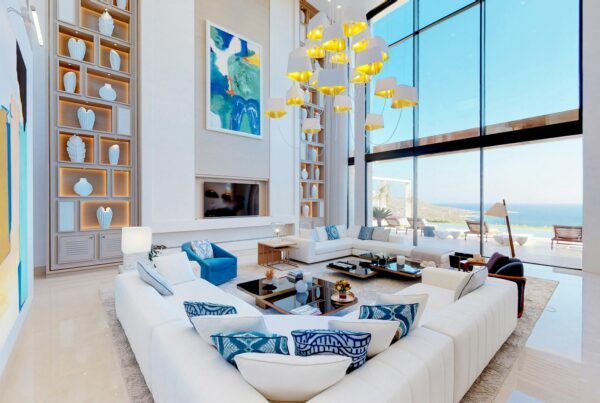
Simplicity gives your space a touch of style and class and creates harmony in your living spaces. This is applicable in almost all areas of decor. For instance, a few pieces of furniture that complement each other will work better than many random pieces clustered in a room. Neutral colors like beige or white on walls and other items are classy and give you more room to design and decorate. They can also make your space feel more roomy and warm.
Curb Appeal
Curb appeal is the aesthetic value of your home from the outside. Good curb appeal shows that the property is well cared for and can significantly increase the value of your home. Some ideas for enhancing your curb appeal include investing in good landscaping.
A well-maintained lawn and a beautiful landscape can make your home look good. You should also keep your property clean and paint it to keep it looking new and fresh. You can also significantly impact your curb appeal by installing quality siding and ensuring your roof is in good condition.
It’s also essential to take home inspections and maintenance seriously to keep everything in perfect condition. Ensure that any work done on your property, such as roof maintenance and repairs, is done by qualified professionals like Landmark Roofing.
Professional services will help you avoid any damage and maintain the aesthetic of your home.
Work With a Plan
There are so many attractive decor pieces out in the market, and it can be tempting to get them all. Creating a plan will help you remember what you need and avoid unnecessary spending and mismatched designs. A detailed plan will also help you get the perfect pieces for your space and those that will complement what you already have. A good plan should work as a guide for how to decorate.
Quality Items
Quality items make a statement and will give your home a look of elegance, and will serve you for years, since they are durable. Good quality is especially important for frequently used items, like furniture, which will be affected by wear and tear.
For instance, a high-quality front door will create a good first impression while keeping you safe and your home well-insulated. High-quality items also offer value for money and will give you peace of mind as they tend to have warranties. Quality products also offer efficiency, good functionality, and good resale value.
Be Practical
It’s important to have your needs in mind while decorating your home. List down your needs and look for items that meet these needs. Consider the amount of space and your living arrangement. For instance, if you have kids or pets running around, create a design that looks good but can safely accommodate them.
Avoid Fads and Trends
Decor ideas change by the hour, and there will always be something new and trendy to try. It’s important to avoid decorating your home based on current trends, as this will be costly to maintain, since you will have to change your home to keep up with them.
Keeping up with trends will also compel you to buy things you do not need, and you might settle for poor-quality items that will waste your money. Instead, invest in timeless items, such as classic furniture, which will never go out of style.
Remember, there is no universal solution for decorating, but with these tips in mind and proper planning, you can create a beautiful home that you’ll enjoy and whose value will keep going up.