
Last Updated on May 5, 2024
Entering a warm, welcoming living room on a cool day can be a delight. However, maintaining that warmth and coziness can be challenging, especially when your home isn’t properly insulated.
This article discusses various insulation solutions that help maintain optimum temperature in your living room, ensuring you and your family enjoy comfort in all seasons.
From traditional insulation methods to energy-efficient modern alternatives, we will guide you through making your living space a haven of warmth and relaxation.
Traditional Insulation Methods
The most common and effective method to insulate your living room is using traditional insulation materials such as fiberglass, cellulose, or mineral wool. These materials are commonly used between walls, ceilings, and floors to prevent heat loss and provide soundproofing.
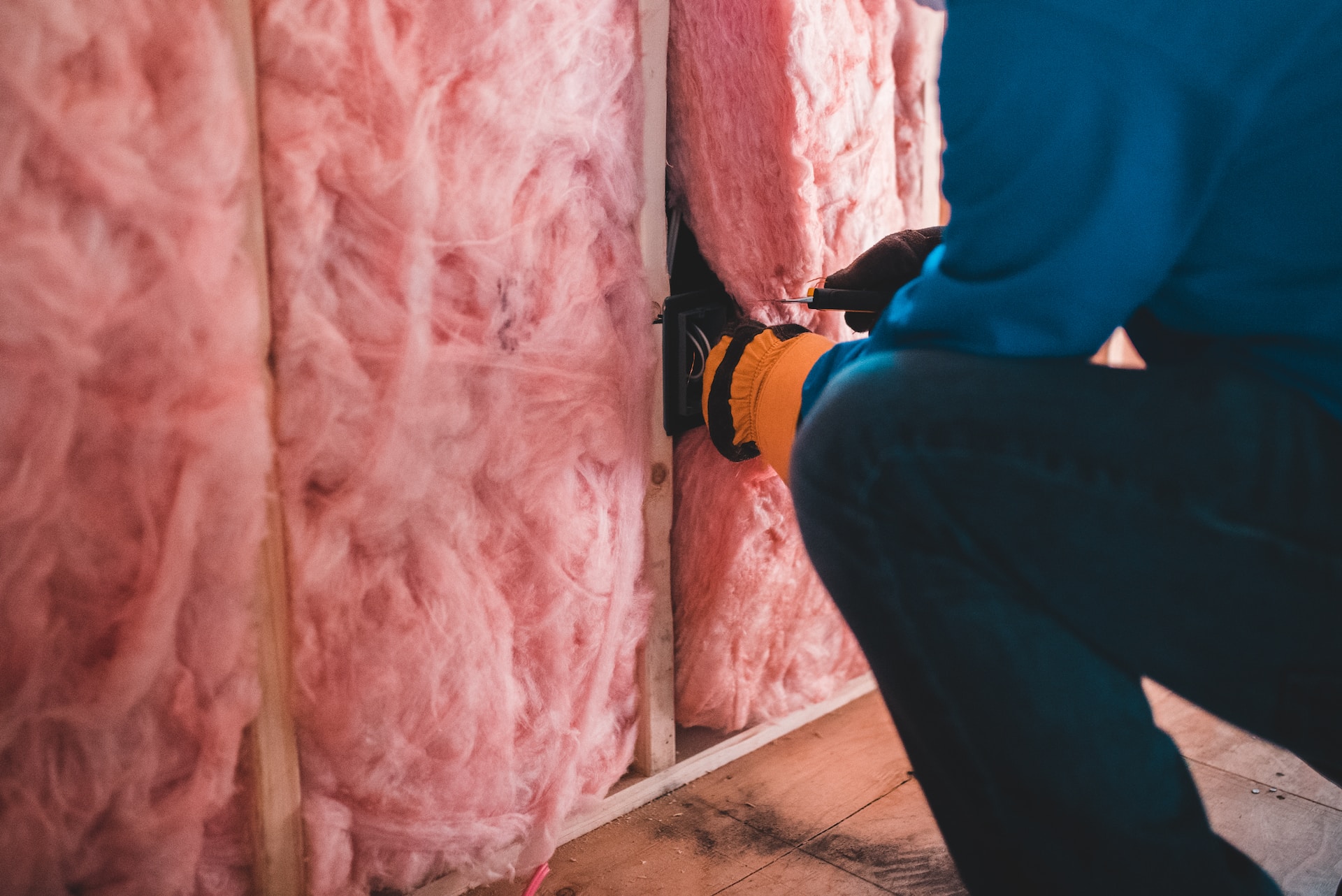
Fiberglass insulation is made of tiny glass fibers that trap air pockets, creating a barrier that slows down heat transfer. This method is relatively inexpensive and easy to install, making it a popular choice among homeowners.
Cellulose insulation, made from recycled newspaper and cardboard materials, is a more environmentally friendly option. It provides better soundproofing compared to fiberglass and has excellent thermal resistance. Furthermore, in addition to other areas, it is also commonly used in attic insulation alongside spray foam insulation. Consulting with professionals can assist you in making a standout choice based on your unique preferences and needs.
Mineral wool insulation, also known as rock or slag wool, is made from natural rock materials and is often used in areas that require fire resistance. It has excellent thermal properties and provides good soundproofing as well.
Modern Insulation Alternatives
With increasing concerns about energy efficiency, there has been a rise in modern insulation alternatives that help maintain warmth and reduce energy consumption.
Spray foam insulation is one such alternative that creates an airtight barrier, preventing heat loss. Made from liquid foam that expands when sprayed onto surfaces, it fills all gaps and crevices, providing superior insulation.
Reflective foil or radiant barriers are another popular option that reflects heat into the living room, keeping it warm during colder months. This type of insulation is often used in attics but can also be applied to walls and floors.
Benefits of Properly Installed Insulation
- Energy efficiency – Proper insulation significantly reduces the need for artificial heating, leading to lower energy consumption. This results in financial savings and contributes to a smaller carbon footprint, making your home more environmentally friendly.
- Comfort – A well-insulated living room maintains a consistent temperature, regardless of outside weather conditions. The warmth during winter and the coolness during summer result in a comfortable and enjoyable living space year-round.
- Soundproofing – Quality insulation materials also offer excellent soundproofing. They absorb noise from outside and dampen sounds within the home, creating a quieter and more serene living environment.
- Prevention of condensation – When a home is properly insulated, it helps to prevent condensation, which can lead to problems such as dampness and mold growth. This means a healthier home environment for you and your family.
- Value addition – A well-insulated home is a valuable asset in the real estate market. Potential buyers appreciate the long-term benefits of insulation, including reduced energy bills and an overall more comfortable living experience. This can enhance the resale value of your property.
Additional Tips and Factors to Consider
- Sealing air leaks – No matter how well-insulated your living room is, it will not be as effective if some gaps or cracks allow air to escape. Before installing insulation, seal any air leaks in walls, ceilings, and floors.
- Proper installation – Insulation must be installed correctly to be effective. Improper installation can lead to gaps and reduced insulation value. Consider hiring a professional for the best results.
- Regional climate – The insulation you choose should be based on your region’s climate. For example, colder regions may require thicker or more energy-efficient insulation than warmer regions.
- Maintenance – Regularly maintaining your insulation will ensure its longevity and effectiveness. Check for any signs of damage or wear and tear, and replace insulation as needed. This is something a professional insulation company can help with.
Conclusion
Proper insulation in your living room is essential for maintaining warmth and comfort throughout the year. Whether you choose traditional or modern insulation methods, ensure they are installed correctly to reap all the benefits.
Enjoy maximum comfort without sacrificing style or convenience with an energy-efficient home and a cozy living space. So, consider these insulation solutions when designing or upgrading your living room, and enjoy the comforts of a warm and inviting space.