
Last Updated on May 30, 2026

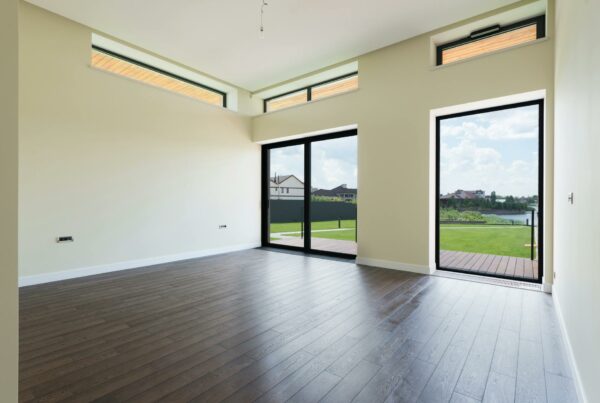
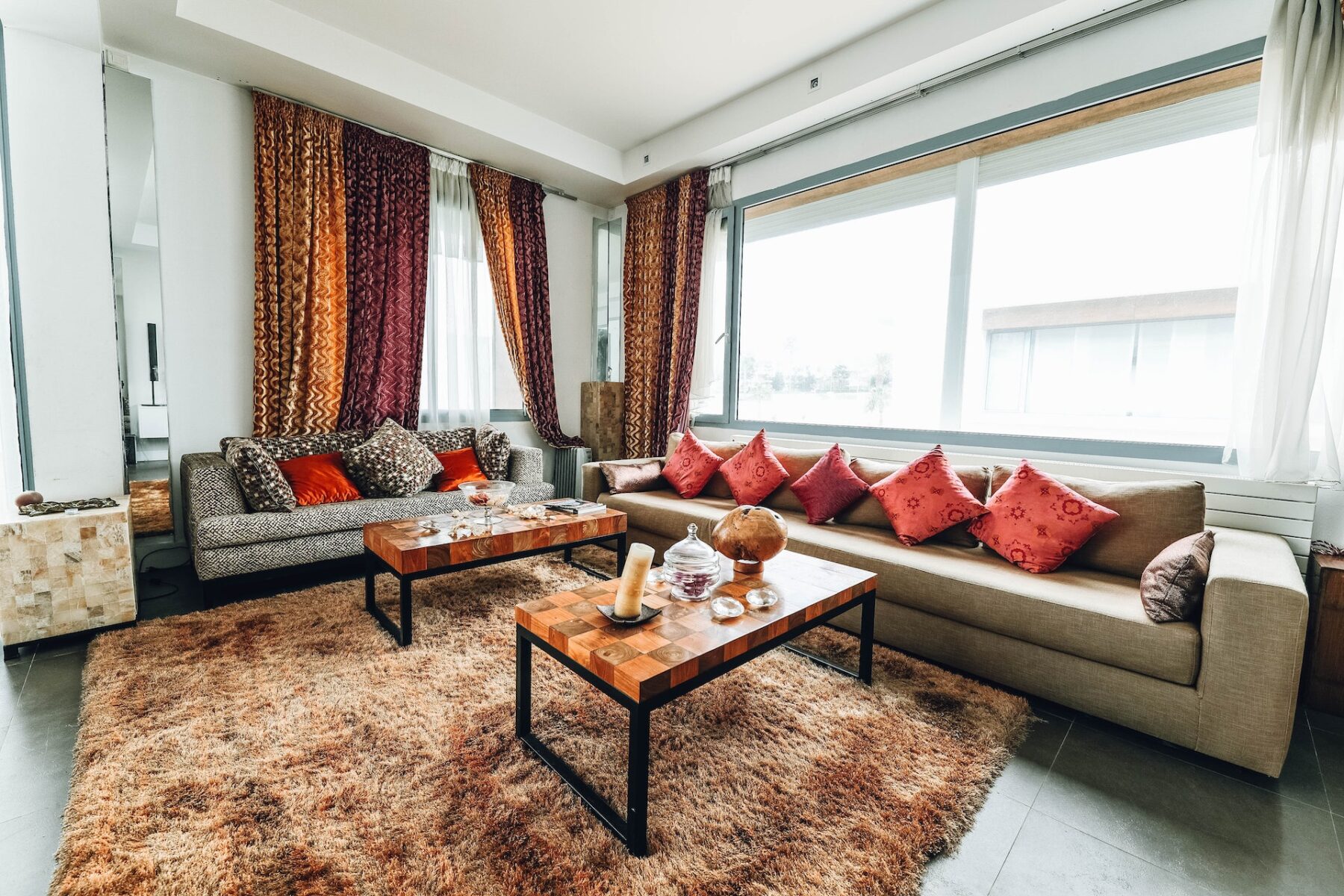
There is something almost magical about what a well-chosen rug does to a room. Walk into a space without one and it can feel unfinished, a little cold, like something is missing even if you can not quite name it. Drop the right rug in the center of that same room and suddenly the furniture makes sense together, the walls feel warmer, and the whole space has a heartbeat. Rugs are one of the most underestimated tools in interior design, and once you start paying attention to them, you can not stop noticing how much they do.

They Define Space Within a Room

In open floor plans especially, rugs do the architectural work that walls cannot. A large area rug under your living room furniture creates a distinct zone that says “this is the seating area” without any physical barrier. The same principle works in a dining room, where a rug anchors the table and chairs into their own defined territory within a larger space.

This zoning function is incredibly useful in studio apartments or great rooms where the kitchen, living area, and dining space all flow together. Three different rugs of varying sizes can turn one undifferentiated room into something that feels intentionally designed, with clear areas that each feel complete on their own.

Even in rooms that do not have open-plan challenges, a rug creates a sense of center. It tells your eye where to land and gives the furniture something to relate to. Without it, sofas and chairs can feel like they are floating.

They Add Warmth, Literally and Visually

Hard floors are beautiful, but they are cold underfoot in the literal sense, and they can read as cool in the visual sense too. A rug introduces softness and warmth on both counts. In a bedroom with hardwood floors, a plush rug beside the bed means your feet land somewhere soft when you get up in the morning. That small thing makes a room feel genuinely more welcoming.

Visually, the texture and color of a rug soften the hard lines of furniture and the reflective surface of polished floors. In a room with lots of clean-lined contemporary furniture and white walls, a textured jute rug or a patterned wool rug is often the single element that keeps the space from feeling sterile.

RELATED  Autumnal Décor Themes for Your Home

In rooms with light color palettes, a rug with warm tones, terracotta, rust, sand, camel, works like a room temperature adjustment. The space reads warmer without adding any physical heat. It is one of those visual tricks that sounds too simple to work, but it consistently does.

They Bring Color and Pattern In

Rugs offer something that paint and wallpaper cannot: pattern at floor level. A room can be beautifully restrained in its palette on the walls and still feel visually interesting if the rug has life to it. This is especially useful for renters who can not paint or for anyone who prefers neutral walls and wants the freedom to change the look seasonally without repainting.

A vintage-style oriental or Persian rug brings a richness of color that takes decades to achieve on upholstered pieces, but it does not require the same commitment. Swap the rug and you essentially repaint the room. Add a bold geometric in navy and cream and you have a completely different energy than you did with the soft floral that was there before.

Pattern at floor level also reads differently than pattern on a wall. It grounds the room rather than advancing visually, which makes it easier to use confidently even in smaller spaces. Many people who feel nervous about bold pattern on walls find that they love it on a rug, where it anchors the space without overwhelming it.

They Improve the Acoustics of Your Home

This is the function people rarely think about when shopping for rugs, but it is one of the most tangible benefits of adding one to any room with hard floors. Hard surfaces reflect sound, which creates echo and a kind of ambient noise that accumulates in a room. Voices sound harder, footsteps clatter, and the room never feels quite quiet.

RELATED  Best National Park Decor for Your Home

A rug absorbs sound. It is that simple. The difference is most noticeable in high-ceilinged rooms, long hallways, and any space where voices carry in a way that feels uncomfortable. In a home with children, a rug in the playroom or hallway significantly reduces the noise transfer to other parts of the house. In a dining room, a rug under the table dampens the acoustic hardness that makes dinner parties feel like everyone is shouting.

They Protect Your Floors

Beautiful hardwood floors represent a significant investment, and they are remarkably vulnerable to the things that happen in daily life. Furniture legs leave impressions and scratches. High-traffic areas show wear far faster than the rest of the floor. Chairs dragged back and forth at a dining table leave paths of dulled finish over time.

A well-placed rug handles most of this protection passively. Under the dining table, it catches the chair movement. In the living room, it takes the brunt of foot traffic and keeps furniture legs from making direct contact with the wood. In an entryway, it catches the grit and moisture that shoes bring in from outside before that material can grind against your floor with every step.

If you have children or pets, the protective case for rugs is even stronger. Dropped food, pet nails, toys dragged across the floor: a rug handles all of these things far more graciously than bare wood or tile.

How to Choose the Right Rug

The most common sizing mistake people make is choosing a rug that is too small. A rug that barely fits under the coffee table and leaves all the surrounding furniture on bare floor makes a room feel oddly small and disjointed. Aim for a rug large enough that at least the front legs of your main seating pieces rest on it. In a living room, an 8 by 10 foot rug is often a minimum for a standard sofa grouping, and a 9 by 12 can accommodate larger spaces beautifully.

In a dining room, measure to ensure the rug extends at least 24 inches beyond the table on all sides so chairs can be pulled out and still remain on the rug. A rug that is too small here makes chairs catch on the edge every time someone sits or stands, which is both annoying and hard on the rug.

RELATED  Revolutionizing Illumination: How Tech Breakthroughs are Enhancing the LED Neon Sign Industry

For material, consider how the room is used. In high-traffic areas, look for durable options like wool, polypropylene, or flat-weave cotton. Plush options like thick pile rugs and sheepskins are wonderful in lower-traffic spots like bedrooms. In rooms with pets or small children, a washable rug is worth serious consideration.

A quality rug pad underneath is non-negotiable. It prevents sliding, protects your floor, extends the life of the rug, and adds a little cushion underfoot. Always use one. A great option is a non-slip rug pad that can be cut to size.

A Few Favorites Worth Considering

If you are shopping for a new rug, wool remains one of the best long-term choices for living rooms and dining rooms. A wool area rug is naturally stain-resistant, durable, and gets better looking with age. For bedrooms and spaces where you want real softness underfoot, a plush bedroom rug in a neutral tone adds warmth without competing with the rest of the room. For entryways and kitchens where washability matters most, washable cotton rugs are endlessly practical.

The Bottom Line

A rug is rarely the first thing people budget for when decorating a room, and it is often one of the last things added. But spend a little time in rooms with and without them and you quickly understand why experienced designers treat them as foundational. They do so much, from defining space and adding warmth to protecting floors and improving acoustics, that the investment almost always pays for itself in how much better the room feels to live in every day.

If you have been putting off adding a rug to a room because you are not sure where to start, start with size. Get it right there, and almost everything else about the choice becomes easier.

Brooks Manley

Brooks Manley

Brooks is a marketer by trade, but has developed quite the passion for home design since becoming a homeowner in New Orleans. He'll be writing about he and his wife's favorite home decor products as well as simple tips and tricks for creating a home you love.

Leave a Reply