
Last Updated on July 25, 2023
The Cottagecore style has swept across numerous sectors, from fashion to social media aesthetics and, more recently, the real estate industry. Replete with nostalgic elements, this trend encourages a return to comfort, simplicity, and nature, transforming urban dwellings into idyllic countryside havens. Here’s what to know about the serene allure of the Cottagecore style.
History of Cottagecore
Cottagecore began to emerge prominently in the late 2010s. Rooted in the desire to return to a simpler, more pastoral way of life, it drew inspiration from romanticized rural aesthetics. The concept grew out of digital subcultures, primarily on platforms like Tumblr, before it seeped into physical spaces.
Exterior of a Cottagecore Home
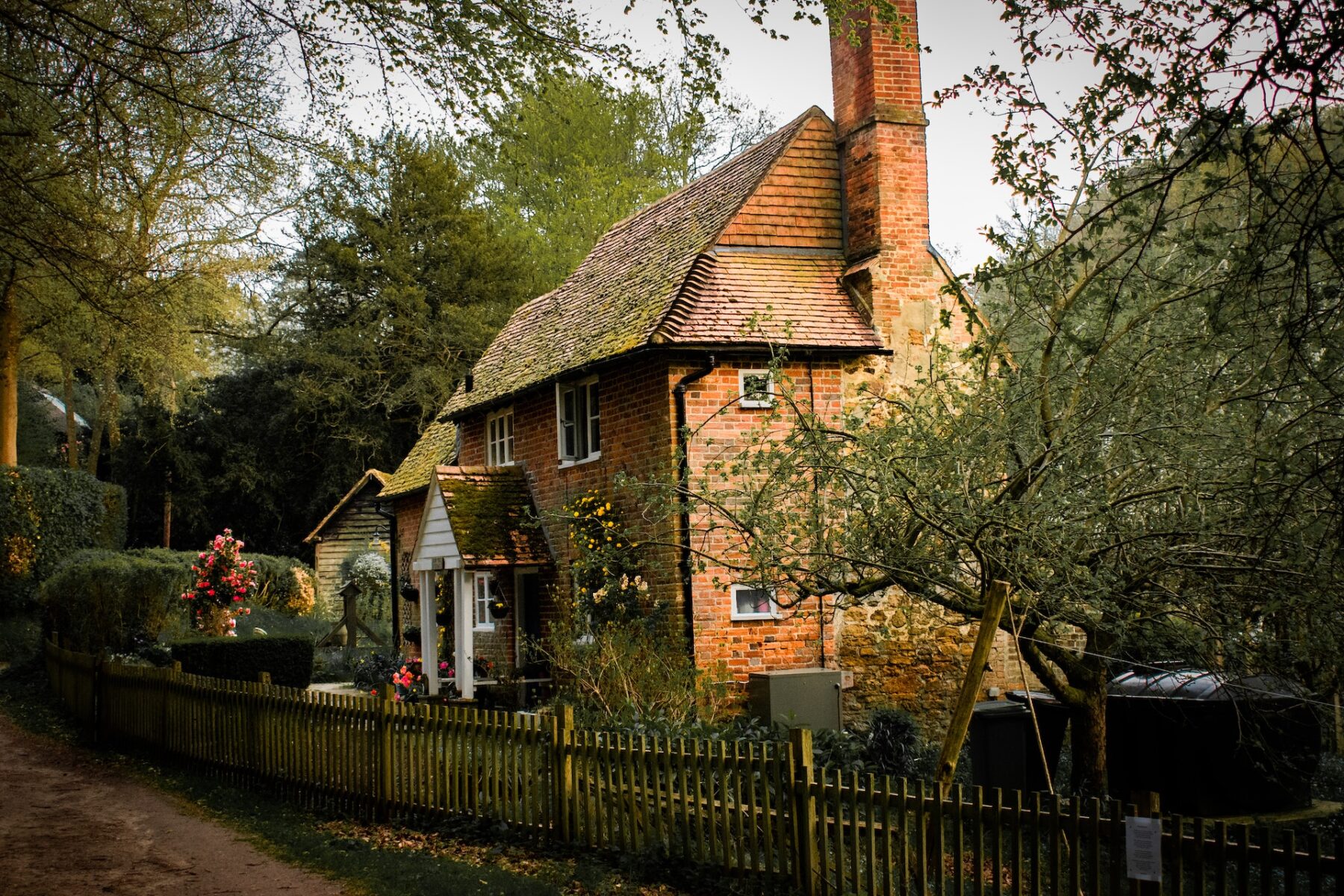
A cottagecore’s exterior reflects nature and traditional designs, often painted in subdued, earthy hues or left in their natural wood or stone finish to complement the rural surroundings. The building is likely quaint, sometimes with a thatched roof or shingled tiles, framed by climbing ivy or flowers on trellises. There’s a sense of rustic romance, from the sturdy wooden shutters to the distinctive cobblestone or brickwork path that weaves its way to the front door, nestled beneath a wooden porch overhang.
Other features may include:
- A charming picket fence
- A rustic mailbox
- A weathered stone well
Decorating a Cottagecore Home
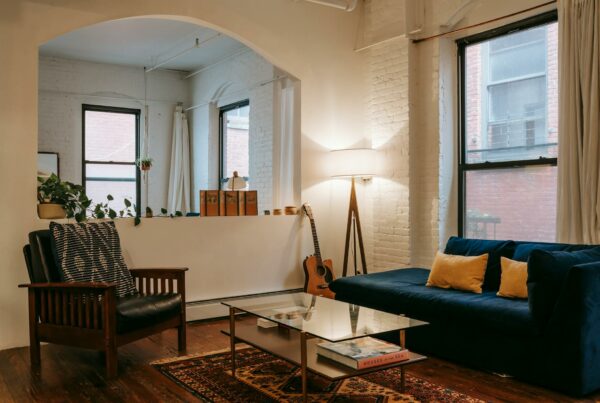
To decorate a cottagecore home, aim for a charming, rustic, and unique interior design that evokes an idyllic countryside lifestyle. Start by selecting muted, earthy color palettes like soft whites, greens, and beiges for walls and furniture. Vintage or reclaimed wooden furniture is key, especially those with a distressed finish, adding character and a sense of history. Remember to add modern comforts, as balance is essential. Finally, embrace imperfections as they contribute to the authentic, charming aesthetic of a cottagecore home.
Living Room
Consider using a muted, earthy color palette with occasional floral patterns for the living room. Upholstery could be in linen or cotton, with antique furniture pieces to add a rustic touch. Use soft furnishings like knit throws and crocheted cushions for an inviting look. A wood-burning stove or an old-fashioned fireplace could serve as a focal point.
Garden/Patio
Cottagecore greatly emphasizes nature, so a lush garden is key. Design your outdoor living space by planting vegetables and flowers, creating a ‘cottage garden’ effect. Use rustic wooden furniture, hanging lanterns, or even string lights for evening ambiance. A hammock or swing would fit nicely.
Kitchen
The cottagecore kitchen should evoke the feel of a rustic farmhouse kitchen. Think open shelving displaying antique or vintage dishware, a large farmhouse sink, and wooden countertops. You might add touches of greenery with potted herbs on the windowsill. An old-style range cooker would be the perfect appliance.
Dining Room
Use a sturdy, weathered wood table and mismatched wooden chairs. Tablecloths and runners with delicate floral or gingham prints would enhance the look. Use fresh flowers as a centerpiece.
Bedrooms
Cottage-style bedrooms contain vintage wrought iron or wooden bed frames and linen or cotton bedding in pastel or floral patterns. Add handmade quilts, crochet blankets, and braided or rag rugs for that homely feel.
Bathroom
A clawfoot tub is a signature Cottagecore item. Use lace or floral patterned curtains, vintage mirrors, and rustic cabinets. A bouquet of dried lavender or a collection of apothecary jars can serve as decor.
Study/Office
A traditional wooden desk, an old-style table lamp, and a comfortable upholstered chair would form the foundation. Decorate with vintage books, antique maps or botanical prints on the walls, and maybe a traditional globe.
Hallways
Use a console table to display family photos in antique frames or a collection of wildflowers in glass bottles. An old mirror with a distressed wooden or metal frame would be great here.
Embrace the Cottagecore Style in Your Home
The cottagecore aesthetic, emphasizing pastoral simplicity, coziness, and a return to nature, offers a serene and timeless escape from the hustle and bustle of modern living. Its expression in interior and exterior home design promotes tranquility, warmth, and a close connection with the natural world. The charm of the cottagecore style, with its unique blend of vintage, rustic elements, and contemporary sustainability principles, encourages an idealistic yet comforting sense of home.
As we navigate our fast-paced, technology-driven lives, the appeal of cottagecore-style homes reminds us of the enduring allure of a simpler, quieter lifestyle. Whether you’re fully committing to this style or simply integrating elements of it into your existing home, cottagecore undeniably provides a unique and inviting approach to home living.