
Last Updated on September 14, 2022
First of all, congratulations on buying a new house!
Moving to a new place is excitement beyond measure, especially for first-time owners. After all, buying a new home isn’t an overnight thing. It requires a lot of hard work, consistency, and patience. But finally, you have the keys to your dream house. So, what’s next?
Moving to your dream house isn’t only about unpacking and decorating your rooms. There’s a lot more to consider outside of just the “moving” part of it. After all, they will have long-lasting effects on your property.
You may be feeling a little stressed right now – but don’t worry!
In this article, we will help make your transition into your new house as easy as possible. Read on our top tips when moving into a new house.
Change All The Locks
Changing all the locks in a new home is the first thing that every homeowner must consider. You never know who still has the keys to your home.
So, consider changing all the locks as soon as possible to ensure maximum safety in your new place. This is one of the top home safety tips for after moving to a new place.
Clean Your New Place
Before getting back to your daily routine, devote some time of your day to deep clean your new house. This will help you get rid of all the dirt and debris that was leftover from the previous tenants or owners.
To start with, you can clean the walls followed by the windows so that the dust will sprinkle on the floor and be cleared later on. Next, move to the kitchen and bathroom and use disinfectant to get rid of the oily stains.
Once you’re done with all, clean the floors using a vacuum to clean the dirt. And finally, clean up the entrance and make it more inviting and welcoming.
Make An Unpacking Plan
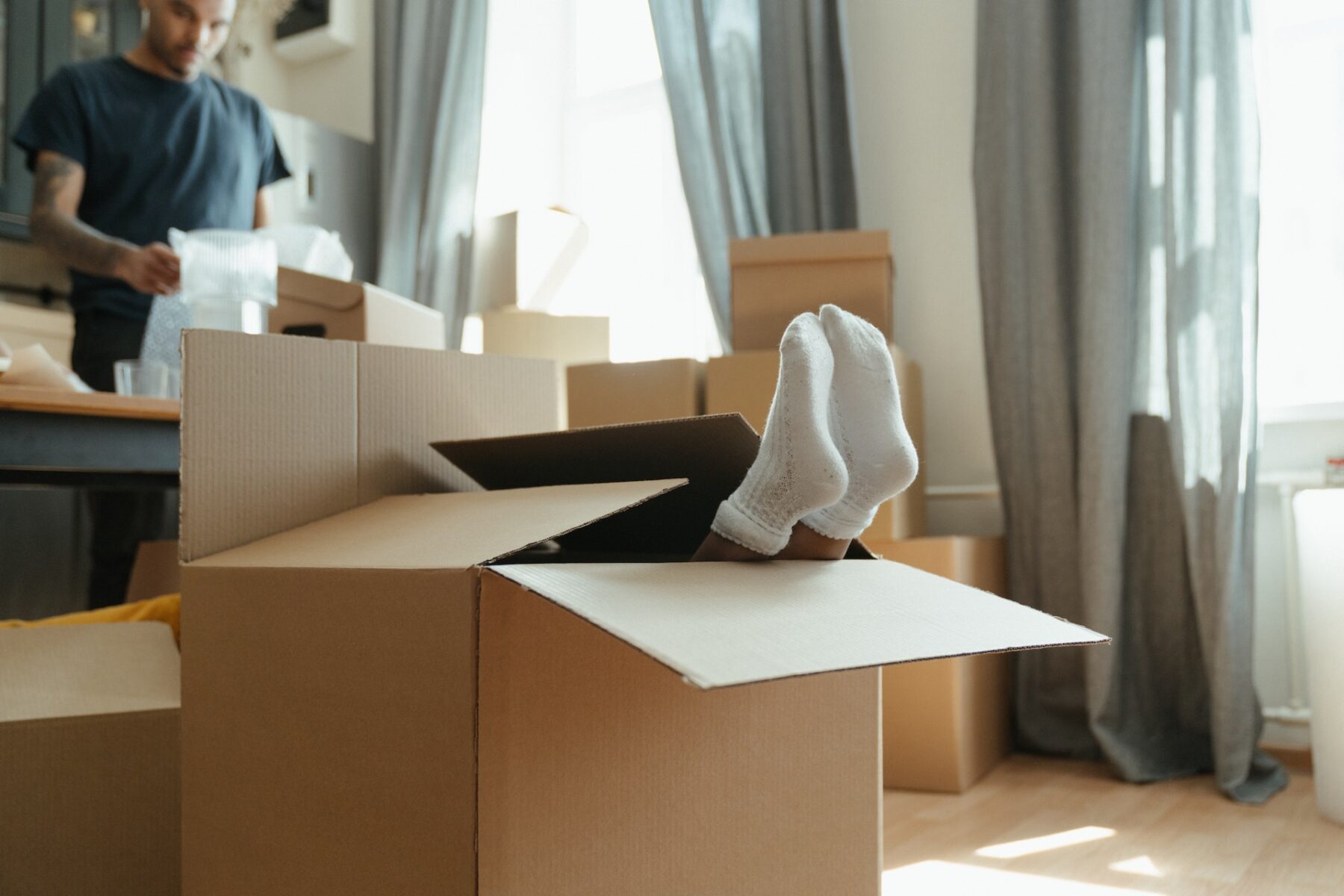
Most homeowners often make the mistake of unpacking all the items at once. However, if you do so, you will end up searching for your things here and there. Also, it will make your home look messy.
What you can do is, make an unpacking plan by labeling your boxes. Unpack all the essentials first. For example, you might need kitchen items before you need to fill out your rooms.
So, plan what you need after moving to a new place and unpack the items in priority order
Call The Pest Control Experts
When moving to a new place, calling pest control experts for pest infestation can be your best bet. Not only will it protect your new house from damage, but also protect you and your family from severe health issues.
Know that pests like termites, roaches, bugs, and mice love dirty and dump places. That’s why they are mostly found in areas with lesser ventilation like the basement, shaft areas, etc. So, when shifting to your new home, consider making pest control start from these places. The chances are higher that these pests will enter your home through the basement or lofts.
With so many service providers out there, it can be a little overwhelming for you to find the right one. To streamline the process, all you need to do is search pest control near me and you will get the list of top pest control experts near your area.
Decorate And Organize Your Home
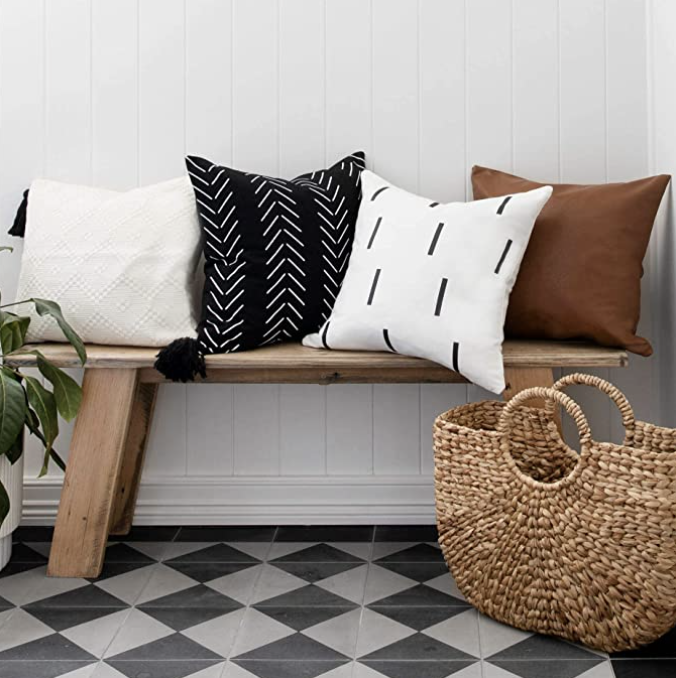
Now here comes the fun part! As you have unpacked all your items, it’s time to organize and decorate your space to make it look how exactly you want it.
However, unpacking items room by room can be a better option. Before you start unpacking, make a quick plan on which rooms to organize first. Then make sure that all the boxes in that room are easily accessible.
First of all, you should focus on organizing your kitchen. After all, you will be able to cook food and save money by ordering burgers and pizzas online. Your kitchen is the foundation of your home, which is why it makes sense to unpack the kitchen first. Once you are done with your kitchen, then move on to organize your bedroom where you can rest after a long stressful unpacking day.
Set Up A Security System
When it comes to safety, installing CCTVs, motion detectors, and a smart doorbell can be a better option. These modern technologies will ensure a proper security system and the safety of your neighborhood.
Summing Up
Moving to a new house is exciting and a good reason to have a party. However, all your time and effort in buying a house will go to waste if you don’t follow the tips mentioned above.
The tips mentioned above will help you organize and decorate your home and ensure proper safety both indoors and outdoors.