
Last Updated on October 4, 2023
The space you stay in should be pleasant, comfortable, and functional. When furnishing your home, you should follow these guidelines. Still, you certainly want some unique detail that will give authenticity to your rooms. There is no better amenity for living rooms than a fireplace. More on their history read on this source.
Fireplaces are a great way to warm up your room and make it look fancy. But they’re not a desirable product just because of their aesthetics. They’re also great for the environment and your wallet. On top of everything, they can add up to your home’s value and be an excellent touch of luxury in your living room.
Great Aesthetics
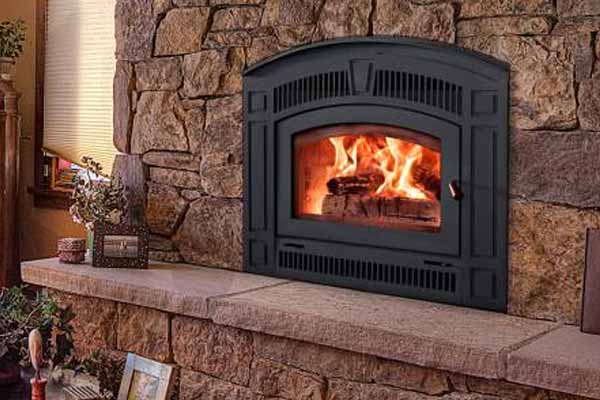
The fireplace catches the eyes of everyone walking into your living room. Not only because it radiates heat and light but because this heating element is made to be the focal point. Besides, these hearths bring comfort and a touch of architectural vitality to any room.
The hearth’s aesthetics can be simple and natural or sophisticated and ultra-modern. Traditional models look great in suburban-style houses. They can also be a great place to display family photos and seasonal decorations.
Elegant fireplaces with glass and natural stone are great for fancy apartments and minimalist interiors. Also, manufacturers are investing in media and lighting to make their hearths look as sleek as possible. They also rely on natural materials, making these hearths eco-friendly.
Ledge stones, made from small pieces of a stone laid vertically, are a new trend among homeowners. Hearths made of this material have a contemporary look and are an excellent option for modern houses. Other popular materials include concrete and steel.
Eco-Friendly Heating
Fireplaces are a popular focal point in the home and can provide a romantic ambiance and warmth. But a trend in modern housing is the move away from ornate masonry hearths to eco-friendly ones. That means not harming the environment and reducing carbon footprints.
It can be tricky to find hearths that are free of environmental impact. But if you shop around, you’ll run onto fireplaces designed to have as little impact as possible. For example, a bioethanol fireplace burns bio-ethanol fuel which is a natural substance and has zero CO2 emissions. Other options, like electric models use electricity, which is a cleaner source of energy. But a traditional fireplace using wood can be eco-friendly if used efficiently.
Lower Energy Bills

Fireplaces contribute to a lower energy bill because they use less fuel than other heating systems. Whether electricity, gas, or firewood, the consumption of these energy sources is significantly lower, thanks to modern systems that make maximum use of the fuel’s calorific value. And as long as you know your local energy costs, you’ll end up saving money in the long run.
Electric models from Watson’s best fireplaces offer use less energy than other heaters, and you won’t have to worry about chimney cleanings or dust. The average electric fireplace costs between twelve to fifteen cents an hour, and it’s a great way to heat a room without compromising the temperature. They also don’t need any ventilation, so they won’t affect your home’s indoor or outdoor air quality.
Heating during Power Outages
Electric fireplaces look great and don’t produce greenhouse gases, but to be honest, they can’t produce as much heat as wood-burning ones. So it’s best to use them as supplemental heating sources. But you can’t rely on them when the power is out.
On the other hand, a wood-burning fireplace doesn’t depend on electricity. That can be a lifesaver during a power outage. It provides heat for your entire home and can also be used to prepare warm meals. But in order to get their maximum and avoid smoke and pollution, these hearths should be vented and have a proper chimney.
Good for Health and Environment
One of the greatest benefits of fireplaces is that they can provide the feel of nature indoors, which is particularly convenient for people who don’t enjoy the outdoors often. This heating source doesn’t produce smoke or odors, so it’s also great for people with allergies.
Wood-burning hearths can be troublesome because of smoke and dust, but good ventilation can fix that. Still, if you suffer from asthma or other breathing issues, look for models that use infrared heat to maintain natural humidity levels.
Here are some more tips for choosing the right hearth for your home.
Increase Home Value
Use fireplaces to improve the look and feel of your home. Real estate agents have found that these amenities can increase the value of a home by several thousand dollars. These features are especially desirable for cold-weather climates. Hearths provide a cozy and warm atmosphere, and that’s what prospective buyers are looking for in their new homes.
A wide range of fireplaces in the market is a challenge for every homeowner. You can opt for an authentic look or a modern design. But no matter what you choose, you can always be sure that your fireplace look great and heat your space up.