
Last Updated on May 28, 2026
Window treatments are among the most powerful tools in a living room’s design toolkit — and among the most frequently underestimated. Curtains, blinds, and shutters do something that almost no other element in a room does: they change throughout the day, responding to light, offering privacy, and shifting the room’s character as the hours pass. In the morning, raising blinds floods a room with light and energy. In the evening, closing them creates enclosure and intimacy. The right window treatment does all of this while also contributing to the room’s aesthetic as an architectural element in its own right.
Contemporary blinds and shutters have evolved considerably from the basic functional choices of previous decades. Today’s options are more beautiful, more versatile, and more thoughtfully engineered than ever before, and selecting the right type for your living room requires understanding both the aesthetic and practical dimensions of the choice. This guide covers the most popular contemporary blind and shutter options for living rooms, along with the considerations that should guide your selection.
Why Blinds and Shutters Outperform Curtains in Many Living Rooms
Curtains dominate in many design discussions of window treatments, and they do bring enormous warmth and softness to a space. But blinds and shutters have distinct advantages that make them the superior choice in many living room contexts.
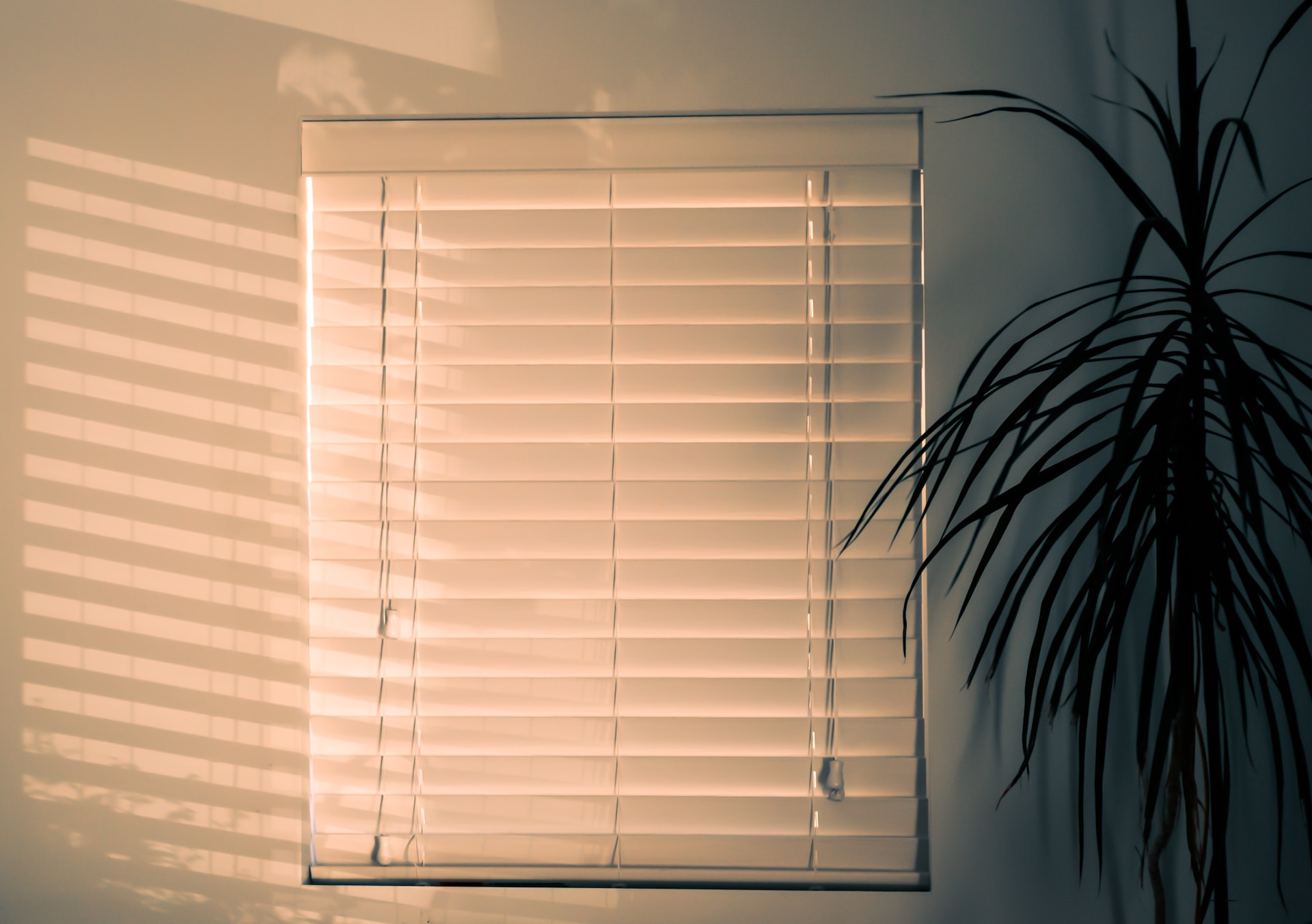
Light control precision is the most significant practical advantage. Curtains offer a binary choice — open or closed — with some middle ground achieved by sheers. Blinds and shutters offer continuous, precise control over the angle of incoming light. You can direct late-afternoon sun upward toward the ceiling to reduce glare while maintaining privacy and a sense of openness that closed curtains cannot provide.
In rooms with challenging light conditions — living rooms that receive intense western sun in the afternoon, for example, or rooms that need blackout capability for daytime movie watching — the granular control of blinds or shutters provides solutions that curtains address only at the expense of blocking all light or all privacy.
Cleaner visual lines are the aesthetic argument for blinds and shutters in contemporary spaces. Curtain panels can feel heavy and soft in rooms that are designed around clean geometry and minimal visual noise. A slim roller blind or a crisp plantation shutter integrates with the window itself and allows the room to read as more open, even when the window treatment is in use.
Maintenance is also simpler with most blinds and shutters. Fabric curtains require periodic dry cleaning or laundering; hardwood shutters and aluminum or vinyl blinds are easily wiped clean with a damp cloth. For households with pets, allergies, or simply a preference for low-maintenance solutions, this is a meaningful practical advantage.
Plantation Shutters: The Most Architectural Choice
Plantation shutters are interior wooden panels with adjustable horizontal louvers that mount directly to the window frame. They are the most architectural of all window treatment options — they feel like part of the window rather than a covering placed in front of it — and they create a clean, sophisticated look that suits an extremely wide range of interior styles.
The contemporary plantation shutter has wide, typically 3.5-inch louvers (compared to the older 2-inch louvers that gave dated shutters their look). These wider louvers allow more light when open, provide better views to the exterior, and have a more current, substantial appearance. When open, plantation shutters virtually disappear into the window frame; when closed, they become a clean architectural element that simultaneously provides privacy and natural light filtering through the louvers.
Plantation shutters are among the most versatile window treatments available in terms of interior style compatibility. In a traditional room, they read as refined and classic. In a contemporary room, their clean geometry suits the aesthetic perfectly. In a transitional room — the style category that describes most American living rooms — they bridge the gap between traditional and contemporary with ease.
Material choices for plantation shutters have expanded significantly. Traditional wood shutters offer warmth and the ability to paint or stain in any color, but they are susceptible to moisture damage and are not appropriate for very humid environments. Composite shutters, made from engineered wood or polymer materials, are moisture-resistant and suitable for all environments including high-humidity rooms. Vinyl shutters are the most affordable and most moisture-resistant option but lack the visual warmth and tactile quality of wood or composite alternatives.
The investment in quality plantation shutters is real — they are among the more expensive window treatment options — but they deliver outstanding long-term value. They require essentially no maintenance, improve with age rather than deteriorating, add to the home’s value (buyers consistently respond positively to existing plantation shutter installations), and never go out of style. Consider them a permanent architectural feature rather than a decorating accessory.
Roller Shades: The Contemporary Minimalist Option
Roller shades have undergone a complete design transformation in recent years. The boxy, institutional roller shades of older offices and budget apartments bear little resemblance to the sleek, refined contemporary roller shades available today in linen-textured fabrics, light-filtering materials, and motorized configurations that make them among the most sophisticated window treatment options available.
Contemporary roller shades mount close to the window frame or ceiling, roll smoothly and quietly into a slim housing at the top of the window, and are available in fabric compositions from sheer to opaque. Sheer roller shades diffuse bright light while maintaining views and a sense of openness — they are the ideal choice for living rooms that need some glare control without losing their connection to the outdoors. Light-filtering options reduce light and provide daytime privacy while maintaining a soft, bright room atmosphere. Blackout roller shades are ideal for rooms that double as media rooms where full light control is needed.
For contemporary living rooms designed around clean lines and minimal visual complexity, roller shades are often the most architecturally appropriate choice. They disappear when retracted and have an almost invisible presence even when deployed, allowing the room’s other design elements to remain the focal points rather than competing with elaborate window treatments.
Motorized roller shades deserve particular mention for living rooms where windows are high, awkward to reach, or numerous. Motorization allows all shades in the room to be raised or lowered simultaneously with a single remote control or voice command, which is both convenient and transformative for living rooms with multiple windows. The uniformity of motorized shades — all descending to exactly the same height, all ascending in perfect synchrony — also looks dramatically more polished than manually operated shades at slightly different heights.
Woven Wood Shades: Organic Texture in a Contemporary Context
Woven wood shades (also called natural shades or bamboo shades) bring a warmth and organic texture to living room windows that is difficult to achieve with any other blind or shutter type. Made from grasses, jute, bamboo, rattan, and other natural plant fibers, these shades have a textural richness that contrasts beautifully with the harder, smoother surfaces typical of contemporary interiors.
In living rooms designed around natural materials — the increasingly popular aesthetic of warm, organic interiors that balance contemporary restraint with earthy warmth — woven wood shades are an especially appropriate choice. They reinforce the natural material story that might include linen upholstery, raw wood furniture, rattan accent pieces, and terracotta accents. The shades become part of a visual vocabulary that runs through the entire room.
The filtering quality of woven wood shades is unique: they filter light in a dappled, irregular pattern that mimics the quality of light through leaves — warm, golden, and slightly diffuse. This quality of filtered light is particularly beautiful in the late afternoon and creates an atmosphere that is difficult to replicate with any other window treatment.
The primary practical limitation of woven wood shades is that they do not provide blackout capability even when fully lowered. The irregular weave of natural fibers allows some light to pass through. For living rooms that need occasional full darkness (for daytime movies or home theater use), woven wood shades should be paired with a blackout liner or a separate shade system rather than used alone.
Solar Shades: Managing Glare Without Losing the View
Solar shades are a specialized category that addresses one of the most common living room challenges: managing intense glare and heat gain from direct sun without sacrificing the view or the natural light that makes the room appealing in the first place.
Solar shades are made from open-weave fabrics that filter UV light and reduce glare dramatically while still allowing a view to the exterior. The openness percentage of the weave determines the balance between view and glare reduction: a 10 percent openness fabric reduces glare significantly while maintaining good outward views; a 3 percent openness fabric provides maximum glare and UV reduction with some reduction in view clarity. At any openness percentage, solar shades preserve the sense of connection to the outdoors that full light-blocking treatments eliminate.
For living rooms with south or west-facing windows that receive intense direct sun during part of the day, solar shades are often the most practical solution. They allow the room to be used comfortably during peak sun hours without the sacrifice of views, light, or visual openness that curtains and blackout shades impose. They are particularly valuable in rooms with large, desirable views that would be completely obscured by more opaque treatments.
Layering Blinds with Soft Treatments
The most versatile and visually rich window treatment schemes combine blinds or shutters with a soft layer — typically drapery panels — that adds warmth, color, and the ability to adjust the room’s atmosphere. This layered approach is widely used in professionally designed living rooms because it provides maximum flexibility and maximum visual interest simultaneously.
A common and effective combination: plantation shutters or roller shades as the primary light control element, with floor-length drapery panels in a complementary fabric flanking the windows. When the shutters or shades are in use and the drapery panels are drawn back to the sides, the window treatment reads as clean and architectural. When the drapery panels are drawn across, they soften the room and provide full privacy and additional light control. This layered scheme allows the room to shift between an open, contemporary feeling and a warmer, more enclosed feeling based on simple adjustment.
For this layering to work beautifully, the drapery panels must be hung correctly: as close to the ceiling as possible (at or within a few inches of the ceiling molding) and long enough to just graze the floor. Curtain rods mounted too close to the window frame and panels that are too short are among the most common window treatment mistakes and create a look that is neither contemporary nor elegant.
Motorization: The Feature Worth the Upgrade
Motorized window treatments have moved from a luxury feature to an increasingly mainstream upgrade, particularly in rooms with multiple windows or with window treatments that are frequently adjusted. The convenience of motorization — raising or lowering all blinds simultaneously from a single app or voice command — has real practical value in a living room that functions as a media space, has high windows, or simply has numerous windows that require individual adjustment when done manually.
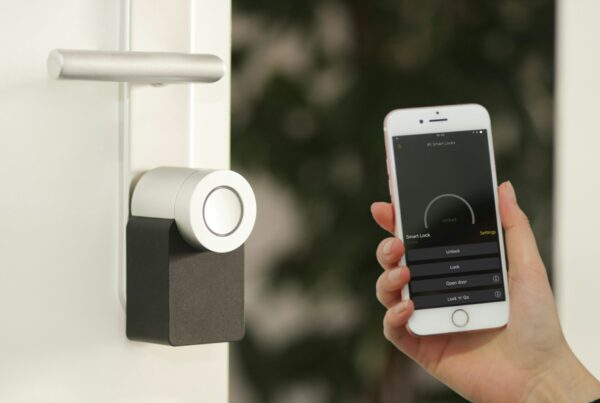
Smart home integration extends motorization’s value further. Shades connected to a smart home system can be programmed to close automatically at sunset, to adjust based on the time of day, to open gradually in the morning as a soft wake-up signal, or to respond to temperature sensors that close shades when the room reaches a certain temperature from solar heat gain. These automations add genuine quality-of-life improvement that manual adjustments cannot replicate.
Battery-operated motorized blinds and shades are available that require no electrician or additional wiring, making them a more accessible upgrade than wired systems. They require periodic battery replacement (or recharging, in rechargeable versions) but are otherwise as convenient as wired options for most applications.
Choosing the Right Option for Your Living Room
The right window treatment for your living room depends on the room’s light conditions, your privacy needs, the interior style you are working within, and your budget. A few guiding questions help narrow the choice:
Does the room receive intense direct sun that creates glare? Solar shades or plantation shutters with adjustable louvers provide targeted solutions that curtains and roller shades cannot match.
Is the room designed around clean, contemporary lines and minimal visual complexity? Roller shades or plantation shutters are the most architecturally appropriate choices.
Does the room incorporate natural materials and organic textures? Woven wood shades reinforce this aesthetic beautifully.
Do you want maximum design flexibility with the ability to shift the room’s character? Layering shutters or shades with drapery panels gives you the widest range of looks and functional states.
Is the home’s design long-term, with the window treatment expected to stay for many years? Plantation shutters provide the best long-term value and the most architectural permanence.
Quality matters significantly in any window treatment category. The difference between a well-made plantation shutter and a cheaply made one is immediately apparent in the finish, the smooth movement of the louvers, the precision of the fit, and the durability over years of daily operation. The same is true for blinds — a quality roller shade operates smoothly and quietly and holds its position precisely; a budget version may rattle, misalign, or fail to retract cleanly. Invest in quality from a reputable supplier backed by a meaningful warranty, and the window treatment will serve you beautifully for many years.