
Last Updated on November 15, 2023
Your living room is one of the most important spaces in your home. It’s where you relax, entertain guests, and create lasting memories with your family. Even minor changes to your living room decor can dramatically transform the look and feel of this essential space. With just a few well-chosen decorative touches, you can give your living room an instant makeover.
The Art of Accessorizing
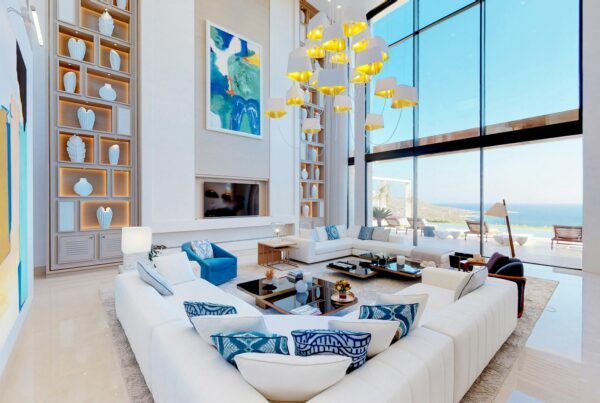
Accessories put the finishing touch on your living room design. Artful objects like throw pillows, area rugs, wall art, and greenery enable you to express your personal taste.
When choosing accessories, opt for pieces that enhance the color scheme of your room. For example, mustard pillows intensify a palette of navy and white. Next, aim for cohesion through repetition. Scatter multiple ceramic vases of the same style for a collected look. Overall, accessories should add warmth and visual interest to the space.Delve into the world of innovative Midj furniture collections and unlock a realm of captivating designs that are not only aesthetically pleasing but also functionally exceptional
The strategic placement of accents pulls your living room together. Set a pair of matching lamps atop side tables to frame a sofa. Position an area
Selecting the Right Color Palette
Color profoundly influences the look and feel of a room. According to Sherwin-Williams, warm hues like red, orange, and yellow foster comfort and cheer, while cool blues, greens, and purples have a calming effect.
When selecting a color palette, consider the size of your space. Dark, saturated hues make small rooms feel intimate, while lighter shades give the illusion of openness. Also, factor in how colors interact with existing furnishings. For example, an azure throw blanket can complement brown leather furniture, while lemon yellow pillows add vibrancy to a neutral sofa.
Don’t be afraid to experiment with bold colors and patterns. A vibrant accent wall or striped
Incorporating Textures and Patterns
Layering materials with varied textures and patterns add visual interest to your living room. As Elle Decor notes, incorporating smooth, coarse, matte, and reflective finishes brings liveliness and dimension to the space.
Try topping a sleek leather sofa with a cozy chenille throw. Set a rough jute
When combining patterns, aim for a purposeful mix. Set a bold graphic
Lighting
The Unsung Hero of Decor
Forget renovating your living room – simply updating the lighting can utterly transform the look and feel of the space. Lighting establishes the mood, enhances comfort, and pulls focus to decor details.
For overall illumination, rely on layered ambient lighting. Wall sconces paired with table and floor lamps prevent dark corners. Dimmers allow you to adjust the brightness as needed.
Task lighting helps make daily activities easier. Add sleek reading lamps ideal for settling in with a book. Install under-cabinet lighting in living room bar areas for prepping cocktails.
Accent lighting showcases beloved possessions. Try placing a picture light above a cherished canvas. Highlight architectural details like a stately fireplace with built-in lighting.
Maximizing Space
Smart Furniture Arrangement
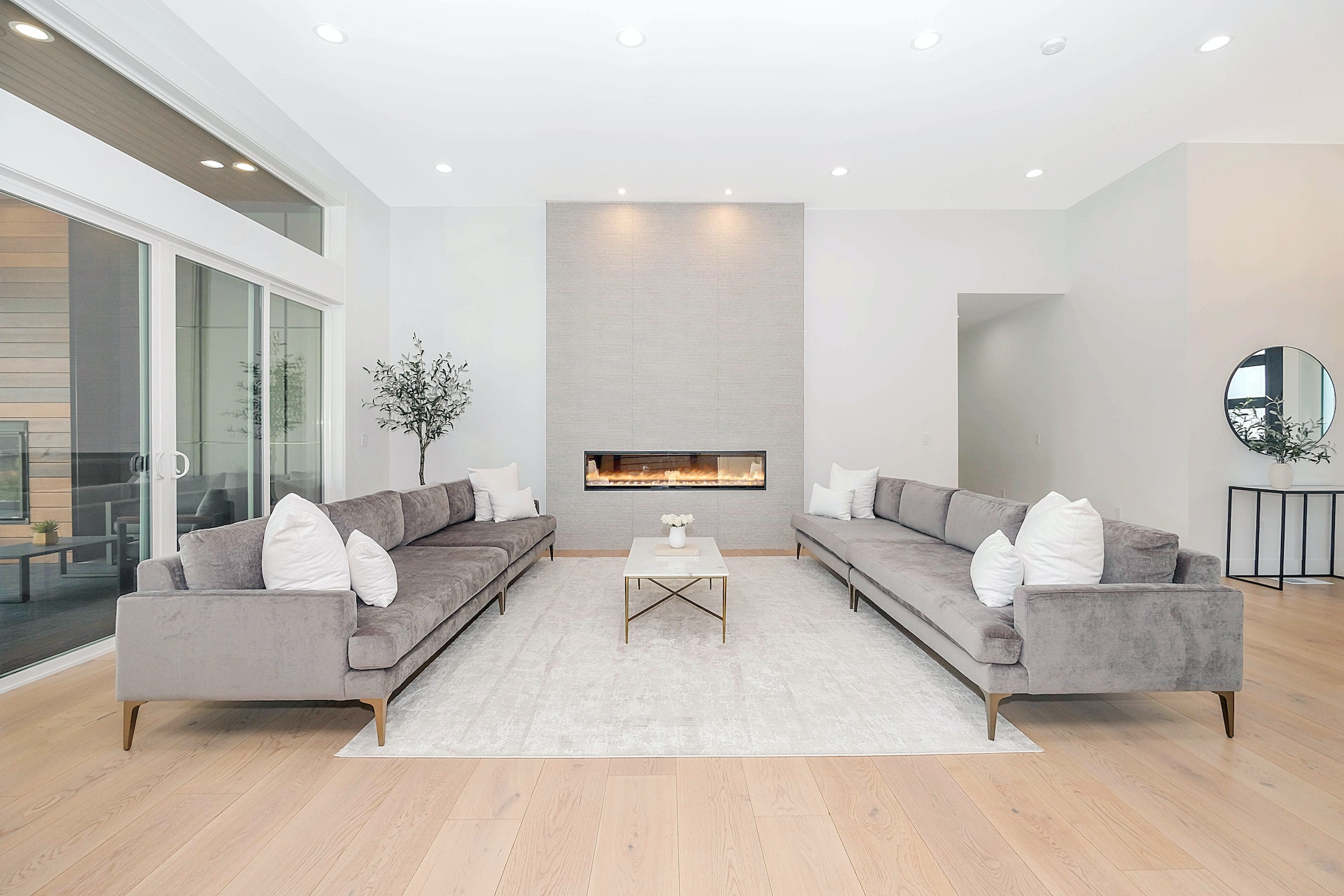
Your living room layout directly impacts how you enjoy the space. Arrange furnishings to promote conversation, accommodate traffic flow and maximize seating capacity for guests.
As The Spruce recommends, position furniture to fit fully on your
House plants, shelves, and room dividers can help delineate spaces within an open-concept living room. Define separate zones for lounging, dining, and reading nooks while maintaining an airy, connected feel.
Built-in benches and ottomans offer discreet extra seating when entertaining. Nesting coffee tables also provide flexibility – separate them for serving snacks or push them together for oversize display space. For space-saving, multi-functional furniture, check out the innovative Midj furniture collections. Their compact yet comfortable designs are perfect for both small and open-concept living rooms.
Understanding the Impact of Decorative Touches
Small decor updates can have an outsized impact on the ambiance of your living room. Something as simple as throwing a cozy blanket over your sofa or placing a vase of fresh flowers on the coffee table can instantly make the room feel more warm, inviting, and personalized. Well-chosen accents that reflect your style also create a pulled-together, designer look.
Decorative touches allow you to adjust the mood and tone of your living room to suit your needs. During hectic workdays, cool-hued pillows and serene artwork establish a tranquil retreat. For family movie nights, warm-hued throws and soft lighting set the stage for cozy bonding. Whatever vibe you’re going for, a few decor tweaks can get you there.
Bringing It All Together
With careful planning and a few decorative enhancements, it’s simple to refresh your living room. Choose a harmonious color palette accented with eye-catching patterns. Introduce tactile interest through varied fabrics and finishes. Display treasured accessories that reflect your personality. Craft thoughtful lighting to set the ideal mood. And don’t underestimate the power of furniture placement to maximize form and function.
By keeping these design principles in mind, you can easily transform any lackluster living room into your favorite space to relax, entertain and make happy memories. A thoughtfully decorated living room becomes the heart of your home.
Frequently Asked Questions
How can I transform my living room on a budget?
Focus on small, affordable changes like pillow covers, throw blankets and decorative objects from thrift shops and discount retailers. Repurpose what you already have by rearranging furniture and display pieces. Paint or wallpaper over just one wall for maximum visual impact.
How can I make my small living room look bigger?
Use light, neutral hues on walls, ceilings, and furnishings to visually expand the space. Add mirrors above the fireplace or sofa to double the sense of depth and light. Keep furnishings low-profile and avoid clutter so the room feels more open and airy.
How can I make my living room more comfortable and inviting?
Include plush, cozy seating like a padded sofa with throw pillows. Bring in natural elements like soft rugs, plants, wood accents, and breezy curtains. Position ample, flexible lighting for ambiance. Warm up the space with personal photos, art, books, and decor in muted color palettes.