
Last Updated on December 5, 2023
What is a Sectional Sofa?
Sectional sofas have become increasingly popular in modern homes, offering both style and functionality. If you’re looking to upgrade your living room furniture or simply want to understand more about these versatile pieces, you’ve come to the right place. In this blog post, we will dive into the world of sectional sofas, exploring their different types, benefits, considerations when buying, and tips on arranging and decorating with them. Whether you’re a first-time buyer or simply curious about this furniture trend, join us as we uncover the basics of sectional sofas and discover why they are a must-have for any contemporary living space.
Understanding the Basics of Sectional Sofas
Sectional sofas are large seating furniture pieces that are designed to provide ample seating space and comfort. Unlike traditional sofas, sectional sofas consist of multiple sections or pieces that can be arranged in various configurations to fit different room layouts and personal preferences.
The main components of a sectional sofa typically include a combination of a sofa, loveseat, chaise lounge, and/or recliner. These sections are connected together using brackets, hooks, or other mechanisms to create a cohesive and functional seating arrangement.
One of the key features of sectional sofas is their modular design, which allows for customization and flexibility. This means that you can rearrange the sections to create different seating arrangements to suit your needs. Whether you prefer a classic L-shape, a spacious U-shape, or a more compact chaise configuration, sectional sofas offer endless possibilities.
Sectional sofas are available in a wide range of styles, materials, and sizes to suit different aesthetic preferences and space requirements. From sleek and modern designs to more traditional and cozy options, there is a sectional sofa to match any interior design style.
These sofas are typically larger in size compared to standard sofas, making them perfect for spacious living rooms, family rooms, or entertainment areas. However, there are also compact sectional sofas available for smaller spaces, allowing you to enjoy the benefits of a sectional even in a more limited area.
Not only do sectional sofas provide comfortable seating for individuals and families, but they also offer additional benefits such as ample storage options. Some sectional sofas come with built-in storage compartments or hidden compartments, providing convenient space to store pillows, blankets, or other items.
In the next sections, we will explore the different types of sectional sofas available, the benefits of having a sectional sofa, considerations when buying one, and tips on arranging and decorating with a sectional sofa. So, let’s dive deeper into the world of sectional sofas and discover why they are a great addition to any living space.
Different Types of Sectional Sofas
When it comes to sectional sofas, there are several different types available, each offering its own unique features and benefits. Understanding the different types will help you choose the one that best suits your needs and preferences. Let’s explore the various types of sectional sofas:
L-Shaped Sectional Sofas
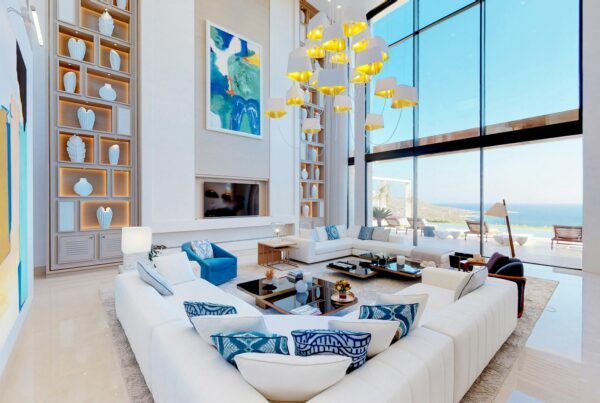
L-shaped sectional sofas are one of the most common and popular types. As the name suggests, they are designed in the shape of the letter “L”. They typically consist of two sections: a longer section that forms the base of the L and a shorter section that extends perpendicular to the base. This design allows for maximum seating capacity and is ideal for creating a cozy and intimate seating area. L-shaped sectional sofas are versatile and can be placed in a corner or used to divide a larger room.
U-Shaped Sectional Sofas
U-shaped sectional sofas take the L-shaped design to the next level by including an additional section that completes the shape, forming a U. This type of sectional sofa provides even more seating space and is perfect for large families or those who frequently entertain guests. U-shaped sectionals often come with a chaise lounge section, adding an element of comfort and relaxation. However, it’s important to consider the size of your room, as U-shaped sectionals require more space.
Modular Sectional Sofas
Modular sectional sofas offer the ultimate flexibility in terms of configuration and customization. They consist of individual sections that can be rearranged and reconfigured according to your preference. With modular sectionals, you have the freedom to create a seating arrangement that perfectly fits your room layout. These sofas are particularly useful if you frequently rearrange your furniture or if you have a small or uniquely shaped space that requires a specific seating arrangement.
Chaise Sectional Sofas
Chaise sectional sofas feature an extended seat on one side, known as a chaise lounge. This allows you to stretch out and relax with your legs fully extended. Chaise sectionals are perfect for those who love to lounge and enjoy a more laid-back seating experience. They add a touch of luxury to your living space and can serve as a focal point in the room. Chaise sectionals are available in various sizes and styles, making them suitable for both small and large rooms.
These are just a few of the different types of sectional sofas available in the market. Each type offers its own advantages and can be customized with different upholstery materials, colors, and additional features. Consider the size of your room, your seating needs, and your personal style when choosing the right type of sectional sofa for your home. In the next section, we will explore the benefits of having a sectional sofa.
Benefits of Having a Sectional Sofa
 Sectional sofas offer numerous benefits that make them a popular choice for homeowners. Let’s explore some of the advantages of having a sectional sofa in your living space:
Versatility and Flexibility
One of the primary benefits of a sectional sofa is its versatility and flexibility. With its modular design, you have the freedom to rearrange the sections to create different seating configurations. Whether you want to change the layout for a party, accommodate more guests, or simply refresh the look of your room, sectional sofas allow you to easily adapt to your changing needs.
Accommodates More People
Sectional sofas provide ample seating space, making them perfect for households with larger families or for those who frequently host gatherings. Unlike traditional sofas that may only accommodate a few people, sectional sofas can comfortably seat multiple individuals. This allows everyone to have their own space and ensures that no one is left without a seat during social events or family movie nights.
Space Saving Benefits
Another advantage of sectional sofas is their ability to maximize space. By utilizing corner spaces or fitting snugly against walls, sectional sofas help optimize the available area in your room. This is particularly beneficial for smaller living spaces or apartments where every inch counts. Additionally, some sectional sofas come with built-in storage compartments, allowing you to declutter and keep your living area organized.
Comfort and Style
Sectional sofas are designed with both comfort and style in mind. The generous seating area, plush cushions, and supportive backrests make them incredibly comfortable for lounging and relaxation. You can choose from a wide range of upholstery materials, colors, and designs to match your personal style and complement your existing decor. Whether you prefer a sleek and modern look or a more traditional and cozy feel, there is a sectional sofa to suit your taste.
Enhanced Bonding and Interaction
The spacious seating arrangement of a sectional sofa encourages bonding and interaction among family members and guests. Whether you’re watching a movie together, engaging in conversations, or playing board games, a sectional sofa provides a comfortable and inclusive space for shared experiences. This can help foster stronger relationships and create lasting memories.
In summary, sectional sofas offer versatility, ample seating capacity, space-saving benefits, comfort, and the opportunity for enhanced social interaction. Whether you have a large living room or a compact space, a sectional sofa can be a valuable addition to your home. In the next section, we will discuss important considerations to keep in mind when buying a sectional sofa.
Considerations When Buying a Sectional Sofa
Before purchasing a sectional sofa, there are several important considerations to keep in mind. These factors will help you make an informed decision and choose a sectional sofa that fits your needs and preferences. Let’s explore the key considerations when buying a sectional sofa:
Size and Space Requirements
First and foremost, you need to determine the appropriate size of the sectional sofa for your space. Consider the dimensions of your room and the available space where the sofa will be placed. Measure the area accurately to ensure that the sectional sofa will fit comfortably without overwhelming the room or obstructing walkways. It’s essential to strike a balance between the size of the sofa and the other furniture pieces in the room.
Material and Upholstery Choices
The choice of material and upholstery for your sectional sofa is crucial for both comfort and aesthetics. Consider the durability, maintenance requirements, and the overall feel you want to achieve. Common upholstery options include leather, fabric, and microfiber. Leather offers a luxurious and timeless look but may require more maintenance. Fabric upholstery provides a wide range of colors and patterns, while microfiber offers durability and stain resistance. Choose the material that best suits your lifestyle and preferences.
Price and Quality
Set a budget for your sectional sofa purchase and consider the quality of the furniture within that price range. It’s important to balance cost and quality to ensure you get a sectional sofa that is durable and long-lasting. Research different brands and read customer reviews to gauge the quality and reliability of the options available to you. Remember that investing in a higher-quality sectional sofa can often result in better comfort and longevity.
Maintenance and Care
Understanding the maintenance and care requirements of the sectional sofa is essential for its upkeep. Consider factors such as cleaning instructions, stain resistance, and durability. Some materials may require special care and cleaning methods, while others are more forgiving and easy to maintain. Ensure that the maintenance requirements align with your lifestyle and the amount of effort you are willing to put into caring for your sectional sofa.
Style and Design
Lastly, consider the style and design of the sectional sofa to ensure it complements your existing decor and personal aesthetic. Whether you prefer a modern, contemporary look or a more traditional and cozy feel, choose a design that harmonizes with your overall interior design theme. Consider factors such as the shape, color, and detailing of the sectional sofa to find one that enhances the visual appeal of your living space.
By considering these factors, you can make an informed decision when buying a sectional sofa that meets your size requirements, aligns with your budget, suits your style preferences, and is easy to maintain. In the next section, we will explore tips on how to arrange and decorate with a sectional sofa.
How to Arrange and Decorate with a Sectional Sofa
Arranging and decorating with a sectional sofa requires careful consideration to ensure optimal functionality and aesthetic appeal. Here are some tips to help you make the most of your sectional sofa:
Positioning Your Sectional Sofa
- Assess the layout of your room and consider the focal point. Arrange your sectional sofa in a way that allows for easy conversation and interaction, while also taking into account the flow of traffic in the room.
- If your sectional sofa has a chaise lounge or an extended seat, position it in a way that maximizes comfort and relaxation. Consider placing it near a window for a cozy reading nook or facing a TV for optimal viewing angles.
- Utilize corners or wall spaces to create a natural boundary for your sectional sofa. This can help define the seating area and create a more cohesive and inviting space.
Choosing the Right Accessories
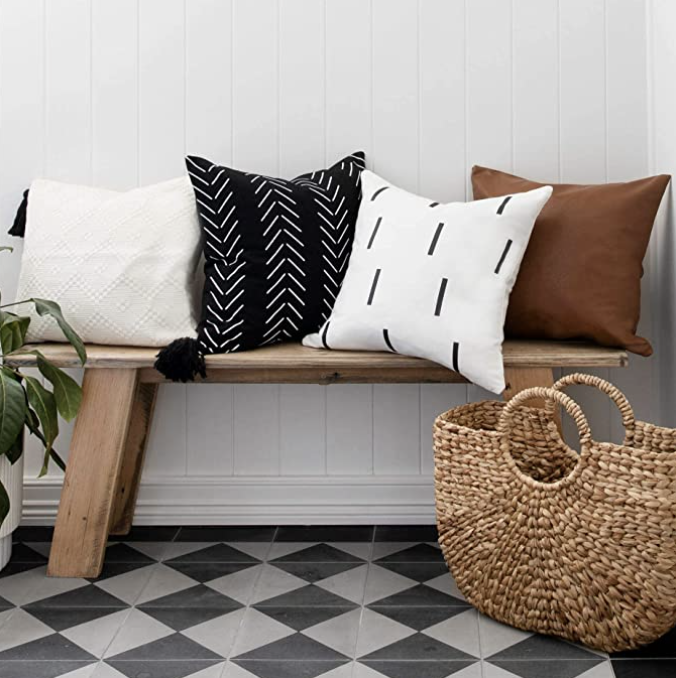
- Add throw pillows and blankets to your sectional sofa to enhance comfort and style. Choose colors, patterns, and textures that complement your overall decor and add visual interest.
- Coffee tables or side tables are essential accessories for a sectional sofa. Place them within easy reach of seating areas to provide a convenient surface for drinks, snacks, or decorative items.
- Consider adding a
rug beneath your sectional sofa to anchor the space and add warmth. Ensure that therug is large enough to accommodate the entire seating area of the sectional.
Complementing the Rest of Your Decor
- Coordinate the color scheme and style of your sectional sofa with the rest of your decor. Consider the existing furniture, wall color, and accessories in the room to create a cohesive and harmonious look.
- Mix and match different textures and materials to add depth and visual interest. Combine soft fabrics with hard surfaces, such as metal or wood, to create a balanced and inviting space.
- Use artwork, mirrors, or shelves to create a focal point above the sectional sofa. This will draw the eye upward and add visual appeal to the space.
Remember, arranging and decorating with a sectional sofa is a personal process, and you should consider your own preferences and lifestyle when making design choices. Experiment with different layouts and accessories until you find the arrangement that suits your needs and reflects your unique style. With a well-planned arrangement and thoughtful decor choices, your sectional sofa will become a centerpiece of comfort and style in your living space.