

Last Updated on May 28, 2026

Cwtch, pronounced “kutch,” is one of those words that does not translate perfectly into English because the concept it describes does not have a precise English equivalent. It is a Welsh term that means something between a hug, a cozy nook, a safe haven, and the particular warmth of being enclosed and protected. In Welsh homes, the cwtch under the stairs, a cupboard or storage space, is named for this quality of enclosure and comfort. As an interior design philosophy, cwtch captures the essence of creating spaces that feel genuinely held, warm, and deeply inviting in a way that goes beyond the practical definition of any decorating style.

If you have heard of hygge, the Danish concept of cozy well-being that swept through the design world several years ago, cwtch occupies adjacent territory with a distinctly Welsh character. Where hygge emphasizes the social and atmospheric dimensions of coziness, cwtch carries an additional connotation of shelter and embrace, of being wrapped and protected by a space rather than simply comfortable within it. It is a distinction that translates into specific design choices and a particular approach to how rooms are structured and furnished.

The Origins and Philosophy of Cwtch Design

Wales has a long tradition of creating homes that provide genuine sanctuary against the elements. The Welsh landscape, beautiful but often wet, grey, and wind-swept, created a cultural imperative for interiors that offered profound contrast with the outdoor environment: warmth where outside was cold, light where outside was dim, enclosure and softness where outside was open and raw. This cultural heritage informs the cwtch aesthetic in ways that are visible throughout its characteristic design choices.

The cwtch philosophy rejects the idea that beauty requires sacrifice of comfort. It is deeply skeptical of the kind of minimal, hard-edged aesthetic that prioritizes visual cleanliness over physical ease. A cwtch space is allowed, even encouraged, to be layered, abundant, and soft. It values texture, warmth, and the presence of things that feel good to the touch as much as it values things that look beautiful from across the room.

The philosophy is also distinctly anti-aspirational in a particular way. It is not interested in impressing visitors or signaling sophistication through the careful deployment of design-world status items. It is interested in creating spaces where you can truly relax, where you might spend an entire Sunday afternoon without ever feeling the urge to be somewhere more stimulating or impressive. The highest achievement of a cwtch space is not that it photographs beautifully, though it often does, but that it makes you deeply reluctant to leave it.

Characteristic Elements of Cwtch Design

Several design elements appear consistently in spaces that successfully capture the cwtch aesthetic, and understanding them gives you a practical framework for incorporating this philosophy into your own home.

Textural layering is perhaps the most immediately recognizable quality of cwtch interiors. Where minimal design uses a single material per surface and keeps textures consistent and restrained, cwtch design accumulates textures in ways that create visual and tactile richness: a chunky knit throw over the arm of a velvet sofa, a sheepskin draped across a wooden chair, linen curtains layered over sheer panels, a woven rug over a wooden floor. The accumulation is intentional. Each layer adds a quality of warmth and depth that a single, simpler treatment cannot achieve.

RELATED  Rug Under Sectional: 6 Designer-Approved Layouts (With Size Guide)

Warm, earthy colors are fundamental to the cwtch palette. Deep terracotta, warm ochre, heathery plum, sage green with grey undertones, burnt umber, and the whole range of colors found in the Welsh landscape: mossy greens, bracken browns, heathered purples, stony greys warmed by underlying amber and ochre. These are colors that have weight and depth, that absorb light rather than reflecting it, that make rooms feel enclosed and cocooning rather than bright and expansive. They work beautifully in layers, combining in rooms where walls, textiles, and accessories share the same warm, complex color family without necessarily matching precisely.

Natural materials are integral to the cwtch aesthetic because they provide the honest warmth that synthetic alternatives cannot replicate. Wood in all its forms, from rough-hewn beams to polished floors, provides structural warmth that grounds every other design element above it. Stone in fireplaces, window sills, and accent surfaces adds weight and permanence. Wool in blankets, rugs, and upholstery provides genuine tactile softness as well as visual warmth. Linen in curtains and bedding adds a beautiful, honest texture that improves with washing and age. These materials do not need to be expensive to be genuine; their warmth and character are inherent to their nature.

Low, intimate lighting is essential. Cwtch spaces resist the harsh overhead illumination that strips rooms of their atmosphere. They favor pools of warm light at different levels: floor lamps casting upward light, table lamps creating intimate circles of warm glow, candlelight for the most atmospheric moments, firelight as the ideal against which all other light is measured. The overall impression is of a room lit from within rather than illuminated from above, warm enough to see clearly without being harsh enough to undermine the sense of enclosure and calm.

The fireplace, where one exists, is the natural heart of a cwtch space. The fire provides heat, light, movement, and sound: the crackle and pop of burning wood, the shifting patterns of flame, the reliable warmth radiating into the room. Even a gas fireplace or electric fire contributes meaningfully to the cwtch atmosphere. In homes without any kind of fireplace, a cluster of candles in the fireplace position, or a fireside arrangement of candles at floor level, captures something of the quality that actual fire provides.

Creating Nooks and Intimate Spaces

The cwtch itself, as an architectural element, is a defined, enclosed space within a room: a window seat with cushions and a storage bench below, a reading corner created by bookshelves on two sides and a comfortable armchair in the space between, a window bay with a banquette that invites lingering. Creating these defined pockets of intimacy within larger rooms is one of the most characteristic gestures of cwtch design.

RELATED  A Helpful Guide to Entryway Table Dimensions

A window seat is one of the most beloved cwtch elements because it combines several qualities simultaneously: the natural light and outdoor connection of a window position, the comfort of cushioning, the intimacy of an enclosed or semi-enclosed position with walls on several sides, and in many cases the added function of storage space beneath the seat. Window seats make underused window bays into genuinely desirable destinations rather than just light sources. They become the position everyone in the family competes for on a cold winter afternoon with a book and a cup of tea.

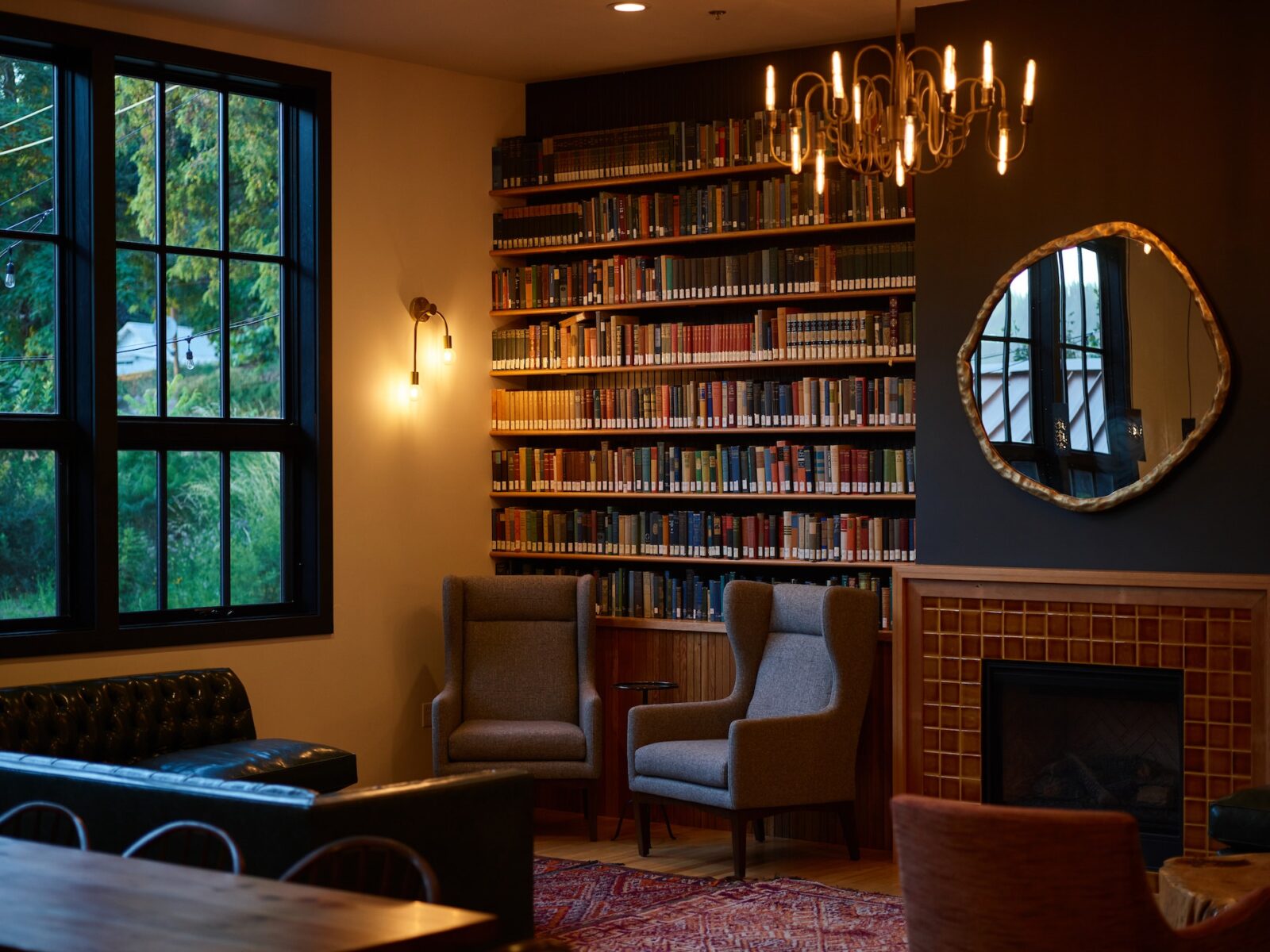
A reading nook created between bookshelves achieves similar enclosure and intimacy with a different character. Being surrounded by books on multiple sides adds the particular warmth of accumulated knowledge and the visual interest of spines in all their variety. An armchair positioned in this book-surrounded nook becomes one of the most genuinely comfortable positions in the home, combining physical comfort with the sensory environment of words and stories.

Even in rooms without architectural features that naturally create nooks, the strategic arrangement of furniture can produce intimate zones within larger open plans. An armchair with a high back angled toward a window, with a floor lamp nearby and a small side table for a mug, creates a functional cwtch spot within a larger room. The enclosure comes from the chair’s high back, the lamp’s warm radius of light, and the psychological invitation created by the complete, self-sufficient nature of the arrangement.

The Cwtch Bedroom

The bedroom is, of all rooms in the home, the one most naturally suited to the cwtch philosophy. Its purpose, deep rest and shelter from the world, aligns precisely with cwtch’s core values. A bedroom designed around cwtch principles creates conditions for the most restorative possible sleep while also feeling like a refuge from the pressures of daily life.

The bed is the literal and conceptual center of a cwtch bedroom. Layering bedding generously creates both physical warmth and visual abundance: a fitted sheet, a warm duvet or comforter in a natural fill, a quilt or weighted blanket as an additional layer, and a generous supply of pillows in varying sizes and textures. The tactile invitation of a well-made cwtch bed, the sense that settling into it will be a genuinely cocooning experience, is one of the great pleasures of this design approach.

Canopy beds, beds with upholstered headboards that extend high up the wall, and beds positioned in alcoves or beneath low ceilings all enhance the enclosed, sheltered quality that cwtch design values in the bedroom. A heavy, textured weighted blanket is one of the most direct cwtch upgrades available for any bedroom: it provides the gentle, consistent pressure that mimics the sensation of being embraced, which is precisely what the cwtch concept celebrates.

Window treatments in the bedroom should provide complete darkness for sleep while feeling beautifully warm and soft in the room during waking hours. Layered curtains, with sheer panels that filter daytime light and heavier drapes that can be drawn completely for sleep, achieve both functions elegantly. Heavy velvet or thick wool curtains in deep, warm colors add significant visual weight and actual thermal performance that make the bedroom feel genuinely insulated and secure.

RELATED  5 Style Hacks To Create Your Dream Designer Living Room

Cwtch in the Living Room

A cwtch living room is the room where your household actually wants to spend time, not the room curated for visitors that no one uses on an ordinary Tuesday evening. It is organized around comfort, around the activities that bring genuine pleasure: reading, watching films, talking with friends and family, listening to music, doing nothing in particular while feeling completely content to do nothing in particular.

Furniture arrangement in a cwtch living room creates intimacy and conversation rather than dispersing seating around the perimeter of the room. Sofas and chairs are pulled in toward the center, toward each other, toward the fireplace or the point of focus around which the room is organized. Low coffee tables within easy reach from all seating positions allow for the casual placing and retrieving of cups, books, and objects that characterizes comfortable, relaxed living.

The cwtch living room accumulates objects that tell the story of the people who live there: books arranged on shelves that have been actually read, family photographs in mismatched vintage frames, a collection of ceramics that someone loves, a plant that has been living in the same corner long enough to have genuine size and personality. These are the objects that make a room feel inhabited rather than staged, and they are as central to the cwtch aesthetic as any furniture or material choice.

Could Cwtch Work for You?

The cwtch approach works best for homeowners who genuinely value comfort over coolness, who would rather have the most comfortable room on their street than the most minimally composed one, and who find that the accumulation of soft, warm, meaningful things around them produces pleasure rather than anxiety. It is a design philosophy for people who live in their homes rather than displaying them.

If you are drawn to design that is rich, layered, warm, and deeply personal, cwtch offers a philosophical framework that gives structure and purpose to those instincts. It gives you permission to be generous with textiles and comfortable with softness. It prioritizes your sensory experience of your home over its visual impact on others. It trusts that a home that feels deeply right to the people who live in it is more successful than a home that impresses people who visit it.

Creating cwtch elements in your home does not require a complete overhaul. It begins with a throw blanket chosen for its warmth and texture, a reading lamp positioned beside your favorite chair, a rug that makes the floor genuinely inviting rather than merely decorative. It accumulates from these small, considered choices into an environment that, over time, comes to feel unmistakably like yours: warm, sheltering, and genuinely, deeply yours.

Brooks Manley

Brooks Manley

Brooks is a marketer by trade, but has developed quite the passion for home design since becoming a homeowner in New Orleans. He'll be writing about he and his wife's favorite home decor products as well as simple tips and tricks for creating a home you love.

Leave a Reply