
Last Updated on October 24, 2023
Are you looking for a way to give your home a new look? How about starting with new tile flooring and walls? Numerous tile shapes, materials, textures, and designs await you. You’re sure to find a style reflecting your personality and taste.
However, the vast range of options can be overwhelming. We will help by sharing a guide on tile trends, choosing the right ones, and installation tips.
Understanding the Latest Tile Trends
Observing tile trends reveals a remarkable evolution. Entry of technology into the sector has been the main reason. Nowadays, there’s plenty of creativity, styles, and more. So, which are the tile trends currently dominating the market?
- The Rise of Wood-Look Tile
Hardwood floors tend to be quite expensive. Yet, many homeowners still desire them. Enter wood-look tiles that mimic wood species like oak, hickory, and maple. The range of options includes textures such as:
- Wirebrushed look that has linear brushing to expose the grain.
- Handscraped textures give that timeworn look with scrapes and grooves.
- Distressed finishes add charm with uneven plank edges and wormholes.
- The Timeless Elegance of Marble Tiles
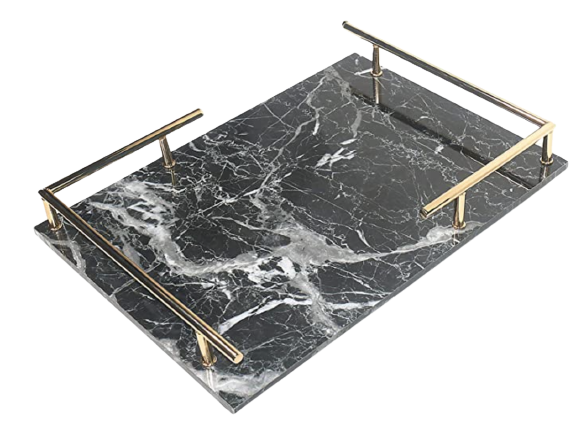
Marble tops the list in elegance and luxury. But, unfortunately, so does the price. There’s now a solution with marble-look porcelain and ceramic tiles. Such offers the same visual appeal in a more budget-friendly way. You can use them as:-
- Kitchen or bathroom backsplashes for an eye-catching focal point
- Entryway, hallway, or bedroom floors for a touch of elegance
- Countertops for bathrooms and kitchens, etc.
- The Cool, Modern Style of Concrete Tiles
Concrete tiles are becoming an increasingly popular design choice for modern homes. Their cool, industrial look lends itself perfectly to creating a sleek, urban aesthetic. Concrete-style tiles come in muted, neutral tones that pair well with bright accent colors and pops of greenery. The understated concrete provides the perfect neutral backdrop that allows other decor elements to stand out.
Unlike real concrete, concrete-look tiles are ceramic or porcelain, so they are durable and easy to care for. Their neutral gray palette makes them infinitely flexible too. Concrete tiles can blend seamlessly into a minimalist, Scandinavian-inspired space. Or they can provide an edgy contrast to boho or traditional decor.
Concrete tiles excel in high-traffic areas such as kitchens and bathrooms. They hide dirt well and stand up to heavy foot traffic. Their non-porous finish makes them ideal in wet areas like showers as they won’t absorb water and stain. And for an ultra-modern look, concrete tiles can even be installed on the ceiling!
For a unique backsplash, consider handmade, artisanal concrete tiles. Their slight imperfections and color variations give them authenticity and character. Or opt for concrete-effect porcelain tiles stamped with realistic patterns for visual depth.
Concrete tiles seamlessly blend flexibility, durability, and contemporary style. It’s no surprise that they are emerging as a top tile trend for contemporary homes and businesses. Paired with the right decor, concrete tiles can effortlessly elevate your space with a stylish urban edge.
- Encaustic Cement Tiles Add Artistry
Encaustic or Moroccan-style tiles feature intricate designs and colors. They comprise a combination of cement, mineral pigments, and powdered marble.
Traditional encaustic tiles come in concrete, which requires sealing. But today, you can find encaustic-look tiles in durable porcelain. They create dynamic patterns on walls and floors, giving a budget-friendly artistry to your decor. They excel as accent or statement pieces. Furthermore, you can also use multiple colors and patterns in a checkerboard motif.
- Bring a Luxurious Feel with Stone-Look Tiles
Stone imparts a contemporary, luxurious feel. Yet, like wood, they are not very affordable. Stone-look tiles provide an excellent, durable, and affordable option. The range includes marble, travertine, slate, and limestone effect.
- Infuse Uniqueness with Terrazzo Tiles
Terrazzo tiles, with their distinct speckled appearance, add significant character to a room. The manufacturers achieve the look by using recycled chips and glass pieces.
Factors to Consider When Choosing Tiles
There’s a wide selection of ceramic, porcelain, glass, metal, and stone tile options at local tile stores. You can zero in on colors, patterns, and textures that fit your design aesthetics. But there’s more to consider, as we will show you.
Room Function
When selecting tiles, first consider the purpose of the room. The tiles you choose for a kitchen or bathroom should be able to withstand moisture and stains.
Look for tiles rated for water resistance. Porcelain and ceramic tiles are excellent choices as they are durable and easy to clean. For rooms with high foot traffic like entryways and living spaces, look for hard, dense tiles that can handle a lot of wear and tear without scratching or chipping.
Amount of Use
Take into account how much foot traffic and use the tiled area will receive. Spaces like hallways and living rooms tend to see a lot of daily use and require durable tile that can stand up to constant activity without showing signs of damage.
Porcelain, ceramic, and natural stone tiles are ideal for high-traffic areas as they are scratch-resistant and easy to maintain. For lower-traffic spaces like bedrooms, you can opt for softer or more delicate tile materials.
Style Goals
Consider your overall interior design style as you shop for tiles. Concrete and stone tiles complement an industrial modern aesthetic. For a sleek, contemporary look, glass, metal, or marble tiles are a great option.
Richly-grained wood-look tiles add warmth and timeless elegance that fits well with any style. Mosaic tiles can create an artsy, eclectic look. Be sure to view tile samples to ensure they enhance your decor.
Color Scheme
Select a tile that aligns with your room’s existing color palette. Neutral-colored tiles offer the most flexibility.
Bold, colorful tiles or intricate patterns can make a dramatic style statement. Look at tile samples during different times of day as lighting affects color perception. Also, consider how grout color will interact with the tile. Planning tile and grout colors together create a cohesive finished look.