
Last Updated on October 4, 2023
The farmhouse style has become increasingly popular in recent years as people seek to create warm and inviting spaces blending the charm of classic farmhouse design with modern elements. Learn how to transform your house into a cozy retreat infused with modern farmhouse decor below.
What Is Farmhouse Style?
Farmhouse style originated from the practical needs of rural farmhouses, where functionality and simplicity were key. As farming communities developed, homes needed to be functional and durable enough to withstand daily life on the farm. Over time, this led to an emphasis on natural materials like wood and stone and simple yet sturdy furniture designs. Today, this style combines these traditional elements with modern touches for a timeless look.
Common Elements of Farmhouse-Style Decor
Farmhouse-style decor incorporates several key elements to create a timeless look. Whether you’re staging a house to sell or need inspiration for decorating your new construction home, here are some of farmhouse-style decor’s common features.
Natural Materials
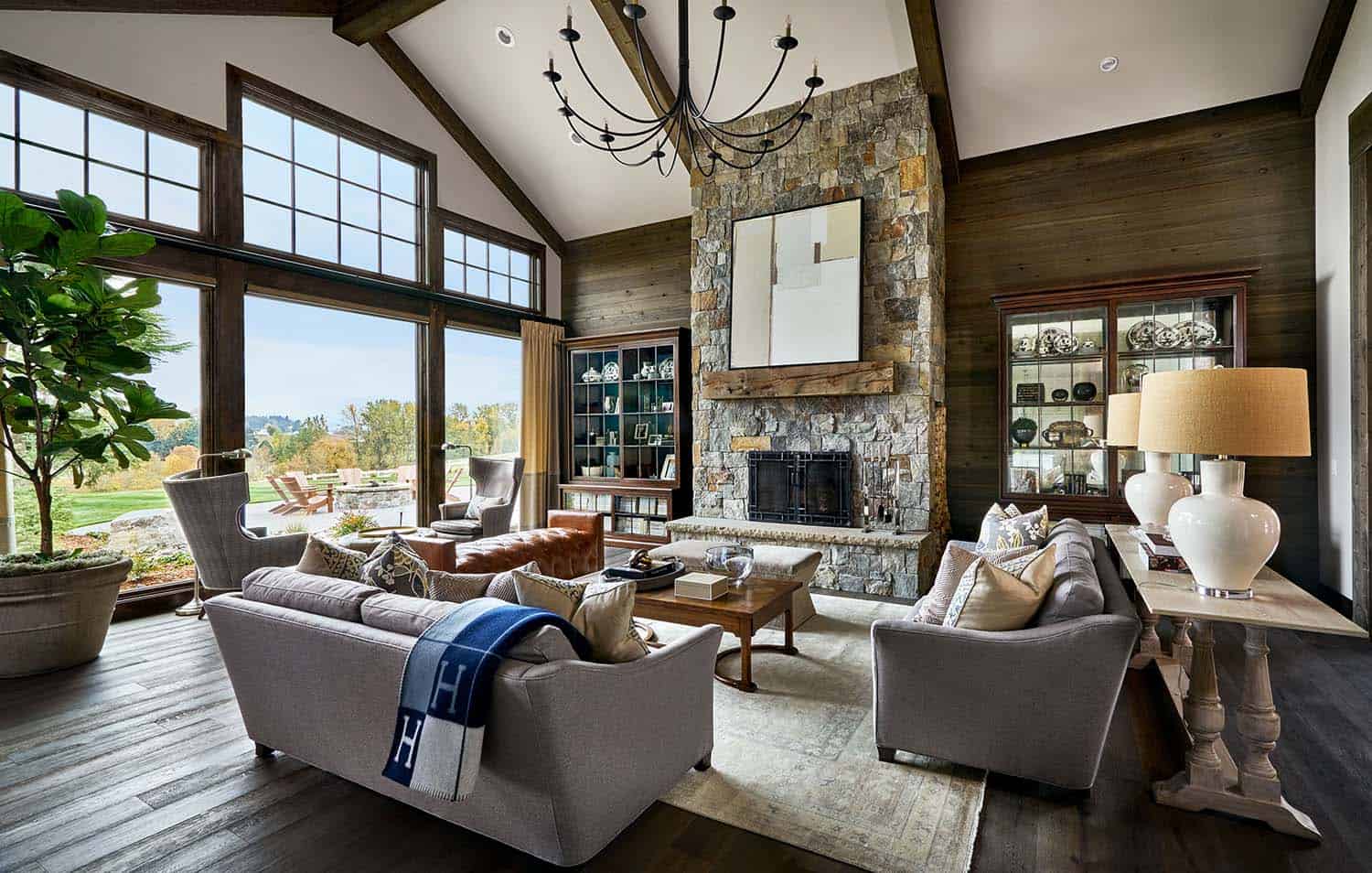
The foundation of the farmhouse style lies in using natural materials like wood, stone, and metal. Homeowners can use reclaimed or distressed wood for flooring and furniture like dining tables, coffee tables, or accent walls. Stone countertops and fireplaces add an earthy touch, while metals like wrought iron or galvanized steel can be incorporated through light fixtures or decorative accents.
Neutral Color Palette
A neutral color palette is essential for achieving the perfect farmhouse look. Classic white walls provide a clean backdrop for showcasing rustic furnishings and accessories while creating an open and airy feel within one’s space. People can also incorporate soft beige, gray, taupe, or cream shades into their color scheme to maintain the serene ambiance of this design aesthetic.
How to Incorporate Farmhouse Style into Your Home
Use the following tips to create a welcoming and comfortable farmhouse-style atmosphere.
Choose the Right Furniture
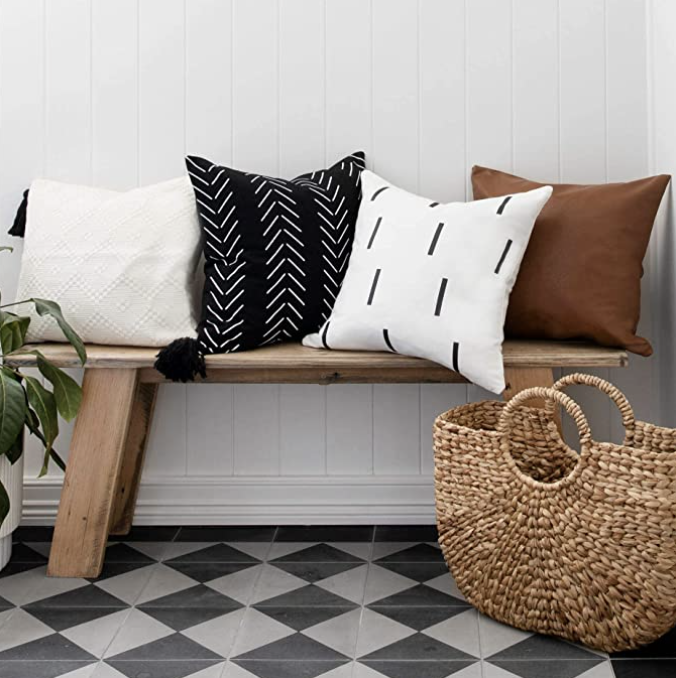
Selecting furniture made from natural materials like wood and wicker can help create an authentic farmhouse feel. Look for rustic, distressed finishes that add character and charm to each piece. Decorate your living room with large, comfortable seating options like oversized sofas or sectionals in neutral colors.
Use Natural Textures
- Burlap: This versatile fabric can be used for everything from table runners to throw pillows.
- Jute rugs: A jute
rug adds texture while complementing the overall aesthetic. - Linen curtains: Soft linen window treatments let in natural light while providing privacy when needed.
- Cotton throws: Cozy up on the couch with a soft cotton throw in a neutral color or subtle pattern.
Add Textiles & Patterns
Farmhouse-style decor often includes an assortment of textiles and patterns that add warmth and texture to a space. Consider incorporating throw pillows, blankets, or rugs with classic designs such as buffalo check, gingham, plaid, or floral prints.
Display Open Shelving & Storage Solutions
Inspired by traditional farmhouses where everything was on display and easily accessible, open shelving is popular in the farmhouse style. Open shelves provide practical storage solutions and an opportunity to showcase one’s favorite dishes, glassware, or decorative items. Further emphasize the farmhouse feel by using vintage crates or wire baskets for additional storage.
Farmhouse Style Accessories
Accessories play a crucial role in enhancing the overall appeal of one’s farmhouse-style decor. They add character, charm, and personality to a space while maintaining a cohesive look. Some of the following accessories can help you achieve an authentic farmhouse feel.
Vintage Signs & Wall Art
Vintage signs and wall art are perfect for adding a touch of nostalgia to one’s home. Look for pieces with rustic finishes or typography reminiscent of old advertisements or store signs. People can find these at antique stores, flea markets, or even online.
Galvanized Metal Accents
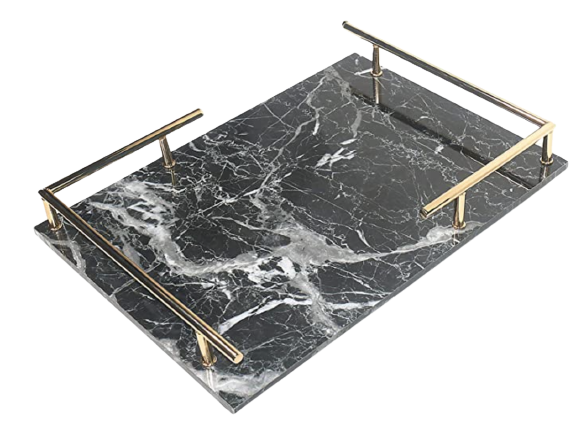
Incorporating galvanized metal accents into one’s decor adds an industrial touch that perfectly complements the rustic elements in farmhouse-style homes. Consider using items like metal trays, planters, or storage bins.
Woven Baskets
Woven baskets provide functional storage and add texture and warmth to any room in one’s home. Use them to store blankets, magazines, toys, or anything you want out of sight yet remain easily accessible.
Add Greenery
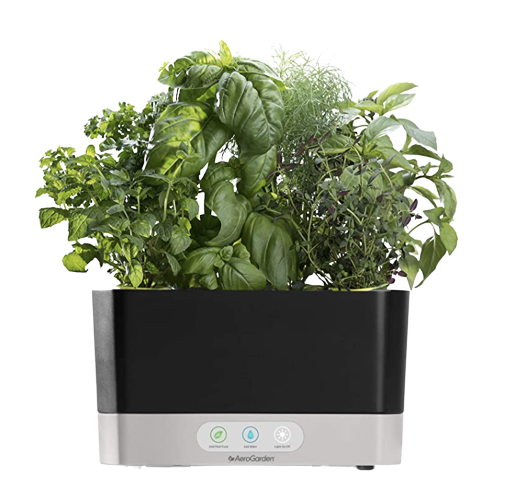
No farmhouse-inspired home would be complete without some greenery! Incorporate potted plants like succulents or herbs throughout your living spaces for a touch of nature. Or, use fresh flowers to create beautiful arrangements that bring life and color into any room.
Tips for Choosing Farmhouse-Style Accessories
- Select items made from natural materials like wood, wicker, rattan, or bamboo.
- Avoid overly shiny finishes. Instead, opt for distressed metals like iron or bronze.
- Create focal points by arranging statement pieces strategically throughout your space to draw attention and create visual interest. This could include an oversized
clock on a mantel or a large piece of artwork above the sofa. - Add personal touches by incorporating family heirlooms, cherished antiques, or handmade crafts into your decor to give it a unique character while maintaining cohesion within the overall design scheme.
Overall, keep it simple and avoid clutter when selecting farmhouse-style accessories. The key is to create an inviting atmosphere where each piece serves a purpose and adds value to the design, harmonizing the timeless coziness of farmhouse decor with the elegance of modern architecture.
Add Farmhouse-Style Decor to Your Home Today
Farmhouse-style decor is a great way to bring warmth and character into your home. It’s easy to incorporate the elements of farmhouse style with just a few key pieces, like rustic furniture, natural materials, and vintage accessories. With some creativity and planning, you can create an inviting space that feels timelessly cozy while still being modern. Whether incorporating subtle accents or embracing full-on country charm, there are plenty of ways to make your house feel more like home with farmhouse-style decor.