
Last Updated on July 18, 2023
Once you’ve decided to invest in leather furniture for your home, you’ll need to choose a style. The comfort and durability of leather furniture means you’ll get years of use out of these pieces. That’s why it’s important to decide on a style you’ll love for years to come.
Leather furniture comes in plenty of styles that are sure to suit your home’s design. Here’s a look at some of the trending options.
Traditional Leather
Traditional leather furniture is symmetrical and balanced. It will fit right in to create a warm and inviting look in your home.
Vintage Leather
A huge shift towards vintage furniture styles is coming back. Leather furniture that has a classic design can create an antique look for your room, even if the furniture itself is brand new.
Steampunk Leather
If you’d prefer to create a steampunk look in your gathering areas, dark-colored leather is the way to go. Paired with antiques that are brass or trimmed in leather, it can really create your perfect ambience.
Farmhouse Leather
Leather furniture is right at home with farmhouse styles. If you have exposed wooden beams, it’s a beautiful match that also provides the optimum level of comfort.
On Trend: Dark Leather Furniture Pieces
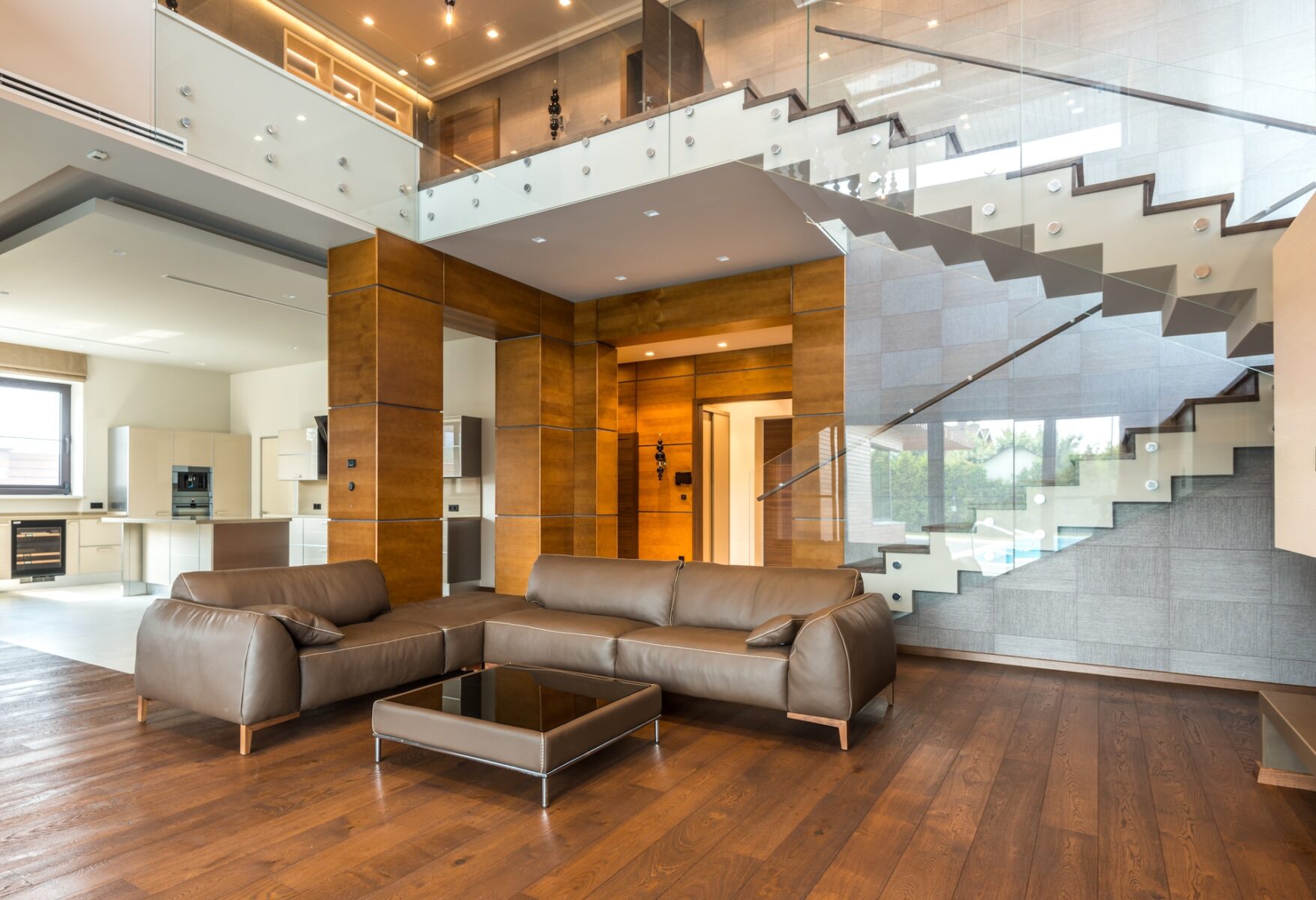
No matter which style you want to exude in your home, one of the biggest trends with leather furniture right now is dark leather. Smooth leather pieces in those dark and rich tones add an element of sophistication. Dark leather hues can create a classic look as well as one that is cozy enough to pair with current design styles.
Replacing the cool grays, beiges, and browns, these darker leather furniture items are among the most coveted for homeowners today. Since leather provides durability and longevity, it’s an excellent option because you can change up your other décor to work around your leather furniture.
Natural materials are also trending right now, which means leather is the ultimate trend for furniture.
Black Leather Furniture
If you’re craving a modern look that lasts, take a look at black matte styles of leather furniture. It’s easy to change out your throw pillows and rugs for items with varying textures, patterns, colors, and finishes to evolve your style without ever having to say goodbye to your cherished black leather sofa, chair, or loveseat.
Leather Furniture in Warm Earth Tones
If you don’t want to have black leather furniture but do want to get in on the trending dark leather furniture styles, go for something with a warm and earthy tone instead. Deep browns and tans are incredibly calming. They also add that classy touch to your décor.
Many people prefer deep browns in leather furniture because they add that contrast while giving your space an inviting and cozy feel. Since leather furniture can easily pair with traditional and modern designs, more and more people are choosing it. When you tire of your décor, you can switch the other elements, allowing your timeless leather furniture to work for your next design style.
Why Leather Furniture Is Worth the Cost
As you ponder your options for new furniture, you may consider fabrics or synthetic materials. However, those do not endure as well as quality leather furniture.
Genuine leather not only makes the right impression, but also lasts for 15 to 20 years. It has a rich look, feel, and smell that adds a distinctive charm to your home. It’s also incredibly comfortable, aging beautifully over the years while fabrics and other materials tend to sag and fade.
Many people mistakenly believe that fabric will be a better choice, though leather breathes, allowing heat and cold to dissipate so you’re comfortable sitting on it in any season. You’ll never have that sticky and clammy feeling when you sit on a real leather piece of furniture.
Leather is also tough enough to resist punctures and tears. If you have children or pets, you may have previously worried that they would destroy your on-trend leather furniture. However, it will last even with a houseful of kids and pets. It’s also much easier to care for than you think too. At a leather furniture store, they’ll not only have these trending styles but also be able to show you how to care for it to make it last through all your evolving home designs.